


People often talk about interiors as if the magic arrives at the end.
The artwork goes up, the cushions appear, the coffee table gets styled with one tasteful object nobody is ever allowed to move, and suddenly the room looks finished. Fair enough. Styling changes a lot. But the best interiors usually feel right much earlier than that. Long before the decorative layers show up, the space already has a kind of quiet confidence to it.
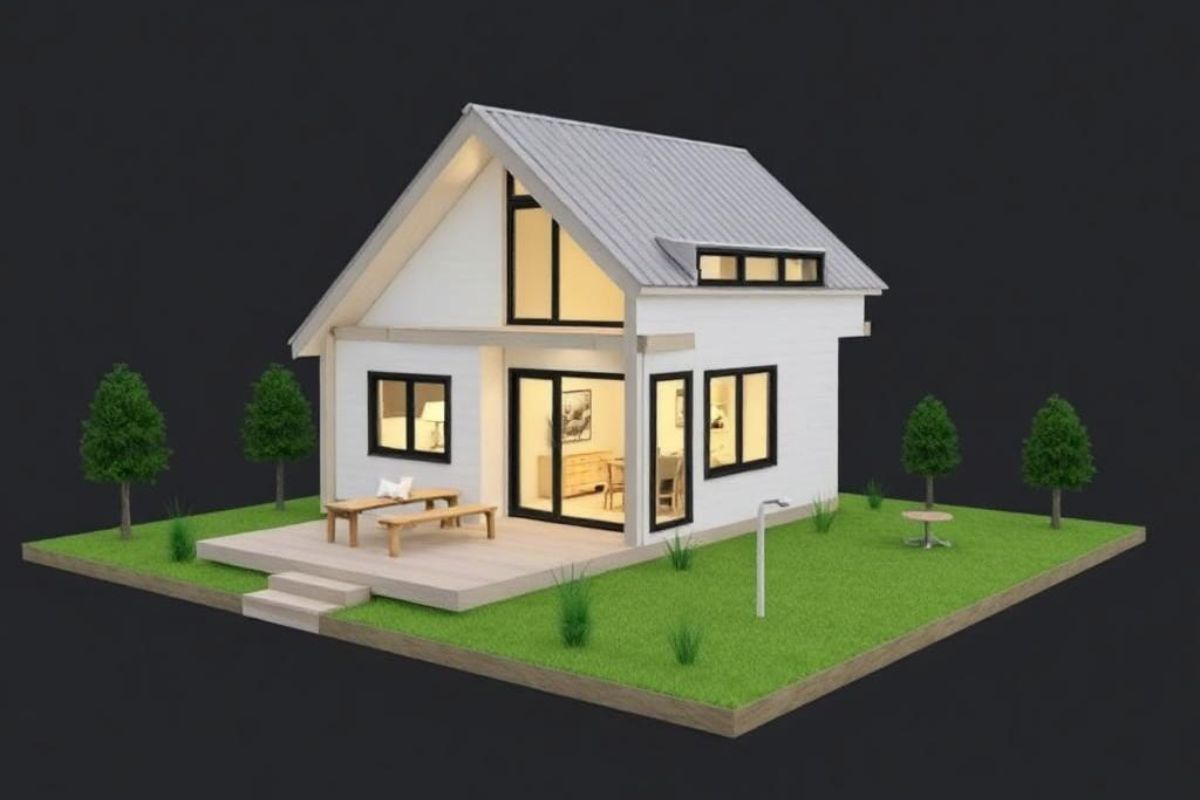
In tiny homes, this principle becomes even more critical, where limited square footage means every layout decision carries more weight and there’s far less room for styling to compensate later.
That’s part of what sets apart the work of leading interior designers in Melbourne. Strong interiors don’t rely on styling to rescue weak planning. They feel resolved because the decisions underneath; layout, proportion, material balance, lighting, joinery, flow; were handled properly from the start. By the time the final accessories arrive, the room’s not searching for an identity. It already has one.
Because styling can sharpen a space beautifully. It’s much less effective at fixing one that never had its structure sorted in the first place.
Good Interiors Start With Decisions You Feel Before You Notice

A resolved room often looks effortless, which is mildly unfair considering how much thought usually sits underneath it.
People walk in and register calm, balance, warmth, clarity. They may not know exactly why. That response usually comes from the foundational choices being strong enough to carry the room before any decorative flourish gets involved. The spacing feels right. The scale feels right. The materials are doing their job without arguing with each other. The room makes sense physically and visually.
In well-designed tiny homes, this clarity is often what separates a space that feels livable from one that feels cramped, with smart spatial planning doing most of the heavy lifting long before décor is introduced.
That sort of coherence can’t be added at the end with a better lamp and a throw rug.
What makes a room feel finished early is usually not drama. It’s logic. Natural movement through the space. Joinery that belongs to the architecture instead of sitting on top of it. Light considered properly. Finishes with enough depth to hold attention without shouting. Once those things line up, the room begins to settle into itself.
Styling then becomes enhancement, not emergency response.
Rooms Feel Unresolved When Too Much Is Asked of the Final Layer
One of the clearest signs a design’s been left too long in the hands of styling is when the room keeps needing “a bit more”.
Another object. A stronger colour. Different art. More texture. More visual interest. Sometimes those additions help. Quite often, they’re compensating for something more fundamental that was never quite working. The room doesn’t lack accessories. It lacks conviction.
That usually traces back to the earlier decisions. Proportions slightly off. Furniture layout undercooked. Material palette too weak or too confused. Lighting treated as practical only. Architectural features not integrated properly into the design story. Once those parts are unresolved, styling gets forced into a strange role. It has to create identity and coherence at the same time.
That’s a heavy ask for a stack of books and a side table.
The strongest interiors don’t need that sort of saving. They already know what they are. Styling simply gives them polish, personality and a final sense of ease.
Resolution Comes From Restraint as Much as Taste

A lot of good design is knowing when to stop pushing.
People assume successful interiors come from adding more sophistication, more statement pieces, more layered detail. Sometimes they do. Just as often, the room improves because someone exercised restraint in exactly the right places. The palette stayed disciplined. This is especially true in tiny homes, where restraint isn’t just aesthetic preference but a practical necessity to avoid visual clutter and maintain a sense of openness.
The joinery was clean. The lighting wasn’t overcomplicated. The materials were allowed to breathe instead of compete.
That restraint helps a space feel resolved because it creates confidence. The room doesn’t look like it’s trying out five identities at once. It has a clear point of view, and that clarity tends to read as calm. Calm rooms often feel more expensive and more complete, even when the individual elements are not shouting for attention.
This is one reason professionally designed interiors often feel so settled before the finishing layers arrive. The big decisions have already created enough coherence that the room holds itself together naturally. Nothing needs to be over-explained by styling because the structure is already doing the persuasive work.
The Best Rooms Are Already Working Before the Final Touches Arrive

That’s the real test.
Take out the decorative extras for a moment. Strip back the coffee table styling, the vases, the art, the loose layer of visual charm. Does the room still feel good? Does it still feel balanced, thoughtful and complete enough to stand on its own? If the answer’s yes, the design was probably strong in the first place.
Why the best interiors usually feel resolved long before the styling goes in comes down to that. The room’s success was never hanging entirely on the final accessories. It was built into the bones of the design from much earlier on.
And honestly, that’s usually what people are responding to when they say a space feels effortless. Not effortless at all, really. Just properly considered before anyone started placing decorative objects on the console and calling it finished.

Share: