

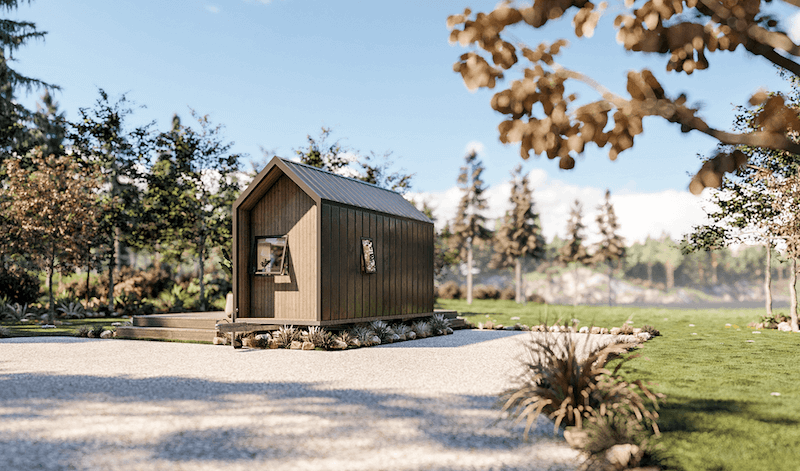
Downsizing your living space sounds like the ultimate dream. You picture a minimalist lifestyle free from clutter and crushing debt. The tiny house movement promises freedom, financial relief, and a smaller environmental footprint.
Many eager buyers jump into this lifestyle, focusing only on aesthetics. They spend hours picking out custom loft ladders and chic multi-functional furniture. The harsh reality of tiny living often hits later. Tiny house living comes with unique challenges that standard homes never face. Missing these details can turn your dream home into an expensive nightmare.
The Hidden Weight Threat
Many people choose a tiny house on wheels for maximum mobility. They build beautiful homes with heavy tongue-and-groove wood walls, solid oak countertops, and standard house appliances.
They often forget to check the capacity of their trailer frame before construction begins. Most of these trailers are not meant to handle the weight of a tiny house. Overloading your platform leads to structural bending, blown tires, and dangerous driving conditions.
You must calculate your dry weight plus your personal belongings early. Exotic hardwoods and heavy tile backsplashes add up fast. Exceeding your trailer axle capacity means you can never safely move your home. It forces you to invest in a brand new foundation or expensive structural modifications.

Unexpected Roof Complications
Tiny home roofs face extreme stress during travel and weather changes. A tiny roof can develop small cracks that let water seep into the ceiling structure over time. Catching these issues early is critical, but an active roof leak requires professional inspection and repair before structural damage occurs. If you ignore the signs, wood rot can ruin your ceiling framing.
Always inspect your roofing material after every road trip. High winds on the highway can loosen shingles or metal panels. Keeping a close eye on your roof prevents mold outbreaks that can ruin a small indoor space.
Skipping the Paperwork Safety Net
Designing a small home directly with a builder involves a lot of moving parts. Eager buyers sometimes rely on verbal agreements and casual text messages to confirm build details. A personal blog post emphasized that leaving things open without a written contract invites a game of he-said-she-said. Missing written specs can cost you thousands in repairs or incorrect layouts.
Every single detail needs official documentation. This includes materials, plumbing fixtures, delivery timelines, and payment milestones. Having everything signed prevents legal headaches when expectations do not match reality.
Moving Water and Cold Air
Insulation keeps your living space comfortable, but people often get the thickness wrong. A custom builder guide warns that insufficient insulation leads to uncomfortable living conditions and sky-high utility bills. You cannot use standard home insulation methods without adjustments.
Tiny homes have thin walls that need high-performance materials like spray foam. Skimping on this step makes your home freeze in the winter and bake in the summer. Your climate control units will run constantly, which drains your power source.
The Indoor Moisture Trapping Trap
Tiny homes have very small air volumes. Daily activities like showering, boiling water, and breathing create massive moisture buildup inside the space. A construction safety article notes that failing to install proper ventilation allows condensation to settle inside walls and ceilings, causing rot and mold.
Standard windows do not provide enough airflow to fix this. You need continuous mechanical ventilation like heat recovery ventilators. Without active air exchange, your walls can rot from the inside out within a single season.

The Financial Reality Check
People assume buying a tiny home is just like buying a standard house on a smaller scale. Traditional banks do not look at tiny structures the same way they look at suburban properties. A real estate myth-busting guide clarifies that standard mortgages require specific size and permanency rules that tiny homes fail to meet.
Finding Alternate Funding
You cannot walk into a neighborhood bank and ask for a 30-year mortgage for a home on wheels. Most buyers must rely on personal loans with much higher interest rates.
Reading the Fine Print
High-interest rates alter your long-term monthly budget. It means your affordable housing dream might cost much more than you originally calculated.
Misunderstanding the Insurance Classification
Finding coverage for a non-traditional home can stun new owners. A recent housing analysis mentions that because tiny homes on wheels are usually viewed as caravans, buyers must seek out specialized RV loans and motorhome insurance instead of standard residential policies.
-
Standard home insurance companies will flat-out deny coverage for mobile tiny homes.
-
Certified RV policies often require the home to be built by an accredited manufacturer.
-
DIY builds face massive hurdles getting any type of theft or fire protection.
-
Moving your home without the right transit rider can void your policy instantly.
Neglecting the Foundation Setup
If you choose a parked tiny home, you still need a level surface. Parking a heavy home on bare dirt or grass causes the structure to sink over time. This uneven settling warps your door frames, cracks your windows, and messes up your plumbing lines.
You need a proper gravel pad, concrete piers, or heavy-duty stabilizing jacks. Regular maintenance involves checking the level of your home every few months. Soil shifts with the seasons, and your home shifts right along with it.

Forgetting Utility Connection Reality
You cannot just park your home in a beautiful forest and expect electricity and water to appear. Hooking up a tiny home requires careful planning and significant capital. A property management article highlights that utility connection expenses add up quickly and can severely damage your initial budget.
-
Trenching water lines below the frost line costs thousands of dollars.
-
Installing a dedicated electric meter requires hiring a licensed electrician.
-
Permits for waste disposal can take months to clear with local counties.
-
Going off-grid requires expensive solar arrays and massive battery banks.
Tiny home living offers an amazing path to simplicity and financial freedom. Succeeding in this movement requires looking past the beautiful interior photos on your screen. Addressing the hidden costs, weight limits, insulation needs, and local zoning laws protects your investment. Taking time to plan these boring details ensures your small home remains a sanctuary for years to come.
Share: