

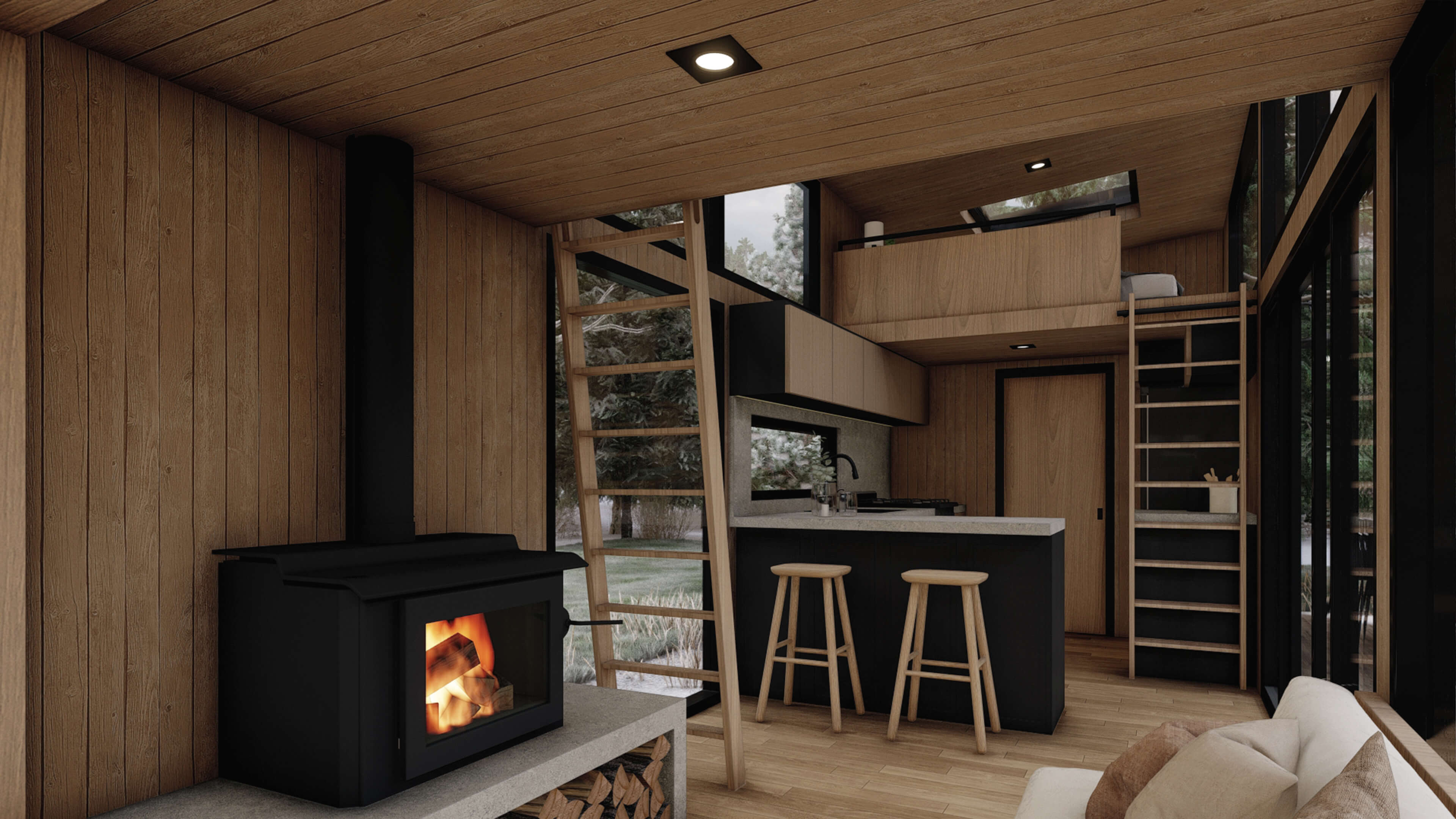
Luxury design is evolving, and today’s homeowners, architects, and interior stylists are increasingly drawn to materials that deliver artistry, rarity, and a sense of timeless sophistication.
As trends shift toward natural textures and bold statement finishes, the demand for distinctive materials like marble, onyx, and exotic woods has surged.
Many designers follow industry insights from sources such as www. luxuryinteriors.org to stay ahead of these emerging preferences and understand how these exceptional materials are redefining upscale interiors. The fascination with organic beauty is reshaping the luxury landscape in remarkable ways.
The Enduring Allure of Marble
Few materials embody elegance quite like marble. Its rich veining, cool tones, and smooth, polished surfaces have made it a favorite in high-end design for centuries. But today’s designers are using marble more creatively than ever.
No longer limited to countertops or flooring, marble now appears in statement walls, sculptural furniture pieces, lighting fixtures, and even custom sinks carved from single stone blocks.
Part of marble’s appeal lies in its individuality—no two slabs are exactly alike. This makes every installation a unique work of art, capable of transforming a space into a gallery-like environment. Designers are especially drawn to dramatic variations such as Calacatta Gold, Nero Marquina, and Breccia Viola, each offering a powerful visual impact.
As luxury homeowners favor materials that feel both natural and expressive, marble remains a defining element of contemporary opulence.

Marble Beyond Traditional Spaces
Luxury designers are now pushing marble into unexpected areas of the home. From marble-wrapped staircases and carved door frames to fireplace surrounds and outdoor lounges, the stone is being used architecturally rather than just decoratively.
This approach elevates marble from a surface material to a structural design feature, reinforcing its timeless prestige.
The Rise of Backlit Stone Technology
Advancements in lighting technology have made backlit stone installations more accessible and precise.
Ultra-thin stone cutting combined with LED integration allows designers to create luminous panels that highlight natural veining without overheating or damaging the material. This innovation has expanded the use of onyx and translucent marble in residential and hospitality spaces alik
Emotional Design Through Natural Materials
Luxury interiors are increasingly designed to evoke emotion rather than simply impress. Natural materials such as stone and exotic woods foster a sense of calm, grounding, and permanence.
Their tactile surfaces and organic patterns create environments that feel emotionally comforting, making homes not just visually stunning but deeply personal.
Onyx: The Jewel of Interior Materials
If marble is known for its elegance, onyx stands out for its otherworldly beauty. Its translucent nature allows light to pass through, creating stunning illumination effects that have become a hallmark of modern luxury interiors. When backlit, onyx glows with warm, mesmerizing patterns that make it one of the most dramatic materials available.
Designers commonly use onyx in:
-
Bars and kitchen islands
-
Feature walls
-
Custom lighting
-
Vanity tops
-
Statement furniture
Available in colors ranging from soft honey tones to vibrant greens, fiery reds, and deep oceanic blues, onyx introduces an element of theatricality unmatched by most natural stones. Its fragility and rarity also contribute to its exclusivity—qualities that appeal to clients seeking standout, high-value pieces that feel personal and bespoke.
Exotic Woods Bring Warmth and Character
While stone materials dominate many luxury projects, exotic woods have become equally influential in shaping upscale interiors. Their rich textures, bold grain patterns, and rare origins bring an organic warmth that balances the coolness of stone, creating an inviting yet sophisticated ambiance.
Popular exotic woods include:
-
Zebrawood – dramatic striping ideal for cabinetry and furniture
-
Macassar Ebony – prized for its deep brown and gold ribbons
-
Rosewood – known for its fragrance and elegant grain
-
Wenge – dark, modern, and perfect for sleek interior lines
Designers are increasingly pairing exotic woods with metal inlays, matte finishes, or sculptural forms to create high-impact pieces. From custom wall paneling to hand-crafted furniture, these woods introduce artistry and craftsmanship at a level that mass-produced materials cannot match.

Mixing Materials for Modern Luxury
One of the most exciting developments in luxury design is the blending of contrasting materials to create visual balance and dynamic texture. Marble set against warm wood tones, onyx paired with brushed brass, or exotic woods embedded within stone flooring—these combinations bring depth and sophistication without overwhelming a space.
Material mixing reflects a broader movement toward curated interiors that feel intentional and layered. Rather than relying on a single standout element, designers craft environments where each material enhances the others.
Sustainability and Ethical Sourcing in High-End Design
As global awareness of environmental impact grows, luxury design is increasingly shaped by ethical considerations. Clients and designers want assurance that the materials they use are responsibly sourced, harvested, or quarried.
For example:
-
Exotic woods must be certified to ensure sustainable forestry practices.
-
Quarries are adopting greener extraction methods to minimize ecological disruption.
-
Reclaimed wood and recycled stone are gaining traction in eco-conscious luxury projects.
Sustainable design no longer means compromising on beauty or exclusivity—advances in sourcing and craftsmanship make it possible to achieve both.
Customization and Bespoke Craftsmanship
Another major trend is hyper-customization. Luxury clients are embracing materials that can be shaped into one-of-a-kind pieces—custom marble bathtubs, hand-carved stone fireplaces, exotic wood headboards, or onyx coffee tables designed as glowing centerpieces.
Craftsmanship lies at the heart of this movement. Artisans skilled in stone carving, wood shaping, and specialty finishing techniques play a crucial role in elevating raw materials into functional art.
This handcrafted approach adds emotional value and makes each project truly unique.

Why Natural Materials Dominate the Future of Luxury
Natural materials offer something manufactured alternatives cannot: authenticity. Their imperfections, color variations, and textures tell stories rooted in geology and geography. In a world filled with synthetic surfaces and digital design, the tactile richness of marble, onyx, and exotic woods feels grounding and timeless.
Clients crave environments that evoke emotion, connect to nature, and reflect a sense of artistry—all qualities these materials deliver effortlessly.
A New Era of Natural Elegance
Luxury design is experiencing a renaissance fueled by materials that celebrate nature’s artistry. Marble brings grandeur, onyx delivers drama, and exotic woods offer warmth and character. Combined with sustainable practices and bespoke craftsmanship, these materials are setting the tone for the next generation of high-end interiors.
In modern luxury spaces, beauty lies not only in design but in the materials themselves—each surface a testament to the power of natural elegance.
Share: