

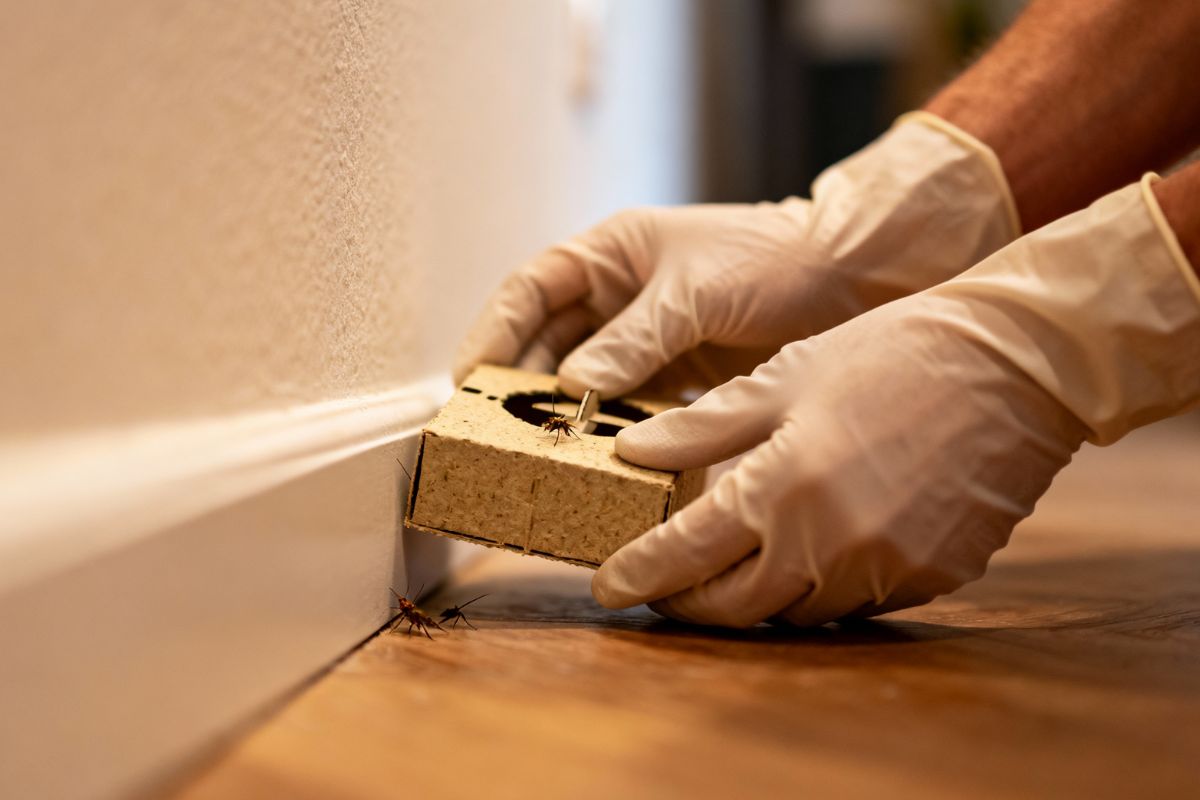
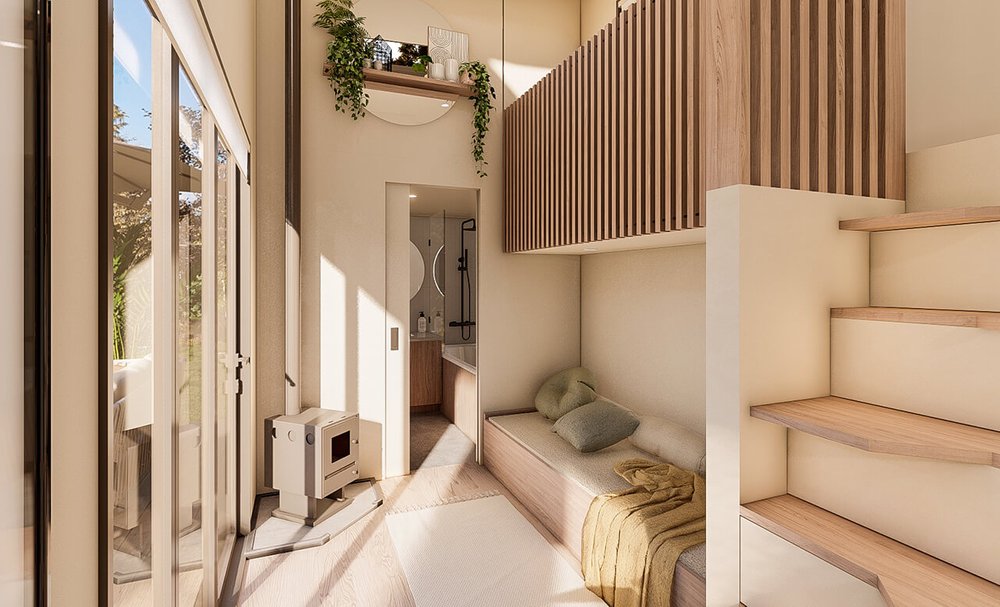
A studio apartment, a converted shed, and a purpose-built tiny house share one trait: everything happens within a few steps of everything else. The same few square meters hold the kettle, the laundry basket, the dog food, the bicycle pump, and the bed.
For pests, that closeness removes the distances they normally have to cross to find food, water, and shelter. A crumb near the stove sits an arm's length from a cabinet of spare linens. A damp towel hangs beside a stack of cardboard boxes.
Small homes are not dirtier than large ones, but they leave far less room for error. The sections below explain how overlapping functions create hiding places, how deliberate zoning breaks that overlap, and which storage habits keep a compact home easy to inspect.
Why Short Distances Help Pests Spread

Insects and rodents do not need much territory. A cockroach that finds a spill in a kitchenette can reach a bedroom closet by walking along a single wall. In a larger house, that same trip might cross several rooms, doors, and open floors, each offering a chance to be noticed or deterred.
Compact floor plans also concentrate warmth and moisture. Cooking steam, shower humidity, and a clothes dryer often share one air volume, so condensation collects on cold surfaces such as window frames and the backs of cabinets. Damp, dark gaps are exactly where silverfish, ants, and German cockroaches settle.
Another factor is how multi-use furniture works. A bench with hidden storage, a bed platform with drawers, or a fold-down table with a cavity behind it all create enclosed voids. Once a pest enters one, the closed lid acts as shelter rather than a barrier. Small spaces, therefore need fewer hiding places built into them, not more.
Dividing a Compact Layout Into Food, Storage, and Utility Zones
Zoning in a tiny home does not require walls. It requires a clear mental map of which activities belong where, and a few physical cues that keep them from drifting together. Food should live in one defined area, ideally the kitchen counter and a single pantry cabinet, rather than appearing on shelves near the bed or desk.
Pet supplies deserve their own spot, away from human food. Kibble is as attractive to pests as any pantry item, and a bowl left out overnight can feed a steady stream of visitors. A sealed bin placed at floor level beside the pet's feeding mat keeps the food contained and visible.
Laundry, tools, and seasonal gear need similar boundaries. Damp laundry belongs in a ventilated hamper, not inside a closed cabinet. Tools with oily residue or sawdust should stay in a lidded box near the entry rather than under the sink. A homeowner who keeps these categories apart can tell at a glance when something is out of place. Residents who notice recurring activity despite tidy zoning sometimes consult a provider such as Magic City Pest Control to learn whether the source lies outside the living area.
Sealed Storage and Overpacked Cabinets
Cardboard is one of the weakest storage materials in a pest-conscious home. It absorbs moisture, offers a soft nesting material, and gives cockroaches and some beetles tight folds to hide in. Swapping cardboard boxes for rigid plastic containers with snap-on lids removes that shelter and also protects against humidity.
Dry goods follow the same logic. Flour, rice, cereal, pet food, and birdseed attract pantry moths and beetles when left in thin bags. Glass jars or thick plastic tubs with gasketed lids keep infestations from spreading between packages, which matters because larvae can chew through film and paper.
Overpacking works against all of this. A cabinet stuffed to its edges blocks airflow, hides droppings, and makes it nearly impossible to spot a shed skin or a gnawed corner. Leaving a visible gap of a few centimeters at the back and sides lets light and a flashlight beam reach the corners. A simple rule helps: if a shelf cannot be scanned in ten seconds, it holds too much.
Inspection Space Around Plumbing, Appliances, and Utilities
Pipes and appliances create the warmest, wettest spots in any home, and compact designs often bury them behind panels. Under-sink cabinets, water heater closets, and the gap behind a mini refrigerator tend to be the first places pests colonize. Pushing furniture tight against these areas hides the evidence.
A better approach keeps a working corridor open. Appliances should sit far enough from walls that a hand or a flashlight can pass behind them. Access panels should open without moving stored items, and the floor beneath sinks should stay clear so leaks or droppings are easy to see. Where plumbing enters a wall, a small gap around the pipe can serve as a highway, so a closer look with a flashlight each month is worth the effort.
Utility areas also benefit from a standing routine:
-
Check under sinks for dampness, stains, or chewed material.
-
Wipe condensation from window tracks and the backs of cabinets.
-
Look behind the refrigerator and washer for crumbs or droppings.
-
Confirm that dryer vents and exhaust fans close firmly when idle.
When one of these checks keeps turning up fresh evidence even after cleaning, the pattern points to an established colony, and professional attention from a team becomes a reasonable next step because hidden harborage inside wall cavities cannot be reached with household tools.

Habits That Keep a Small Home Pest-Resistant
Layout and containers do most of the work, but daily habits decide whether the system holds. Dishes washed before bed, trash removed before it overflows, and counters wiped after cooking remove the food that draws scouts in the first place. In a small home, a single missed night is more visible and more consequential than in a spacious one.
Incoming items deserve a quick check as well. Grocery bags, delivery boxes, secondhand furniture, and luggage can each carry hitchhikers. Breaking down cardboard outside and inspecting used items before bringing them in costs little time and prevents the most common introductions.
Seasonal rotation is another small ritual worth keeping. Winter coats, camping gear, and holiday decorations often sit untouched for months, which makes them ideal nests. Storing them in sealed containers, labeling each one, and inspecting them twice a year keeps forgotten corners from becoming permanent shelter.
Final Analysis
Pest prevention in a tiny home is mostly an exercise in separation and visibility. Separate food from sleeping areas, moisture from stored goods, and clutter from utilities, and the shortcuts that pests rely on disappear. Keep everything visible enough to inspect, and problems surface while they are still small.
None of these steps require renovation. Lidded containers, a few centimeters of breathing room, and a monthly flashlight check can reshape how a compact space behaves. Homes that follow them tend to catch trouble early, and the ones that still see recurring activity at least know the cause is likely beyond routine housekeeping, which makes the next decision clearer.
Share: