

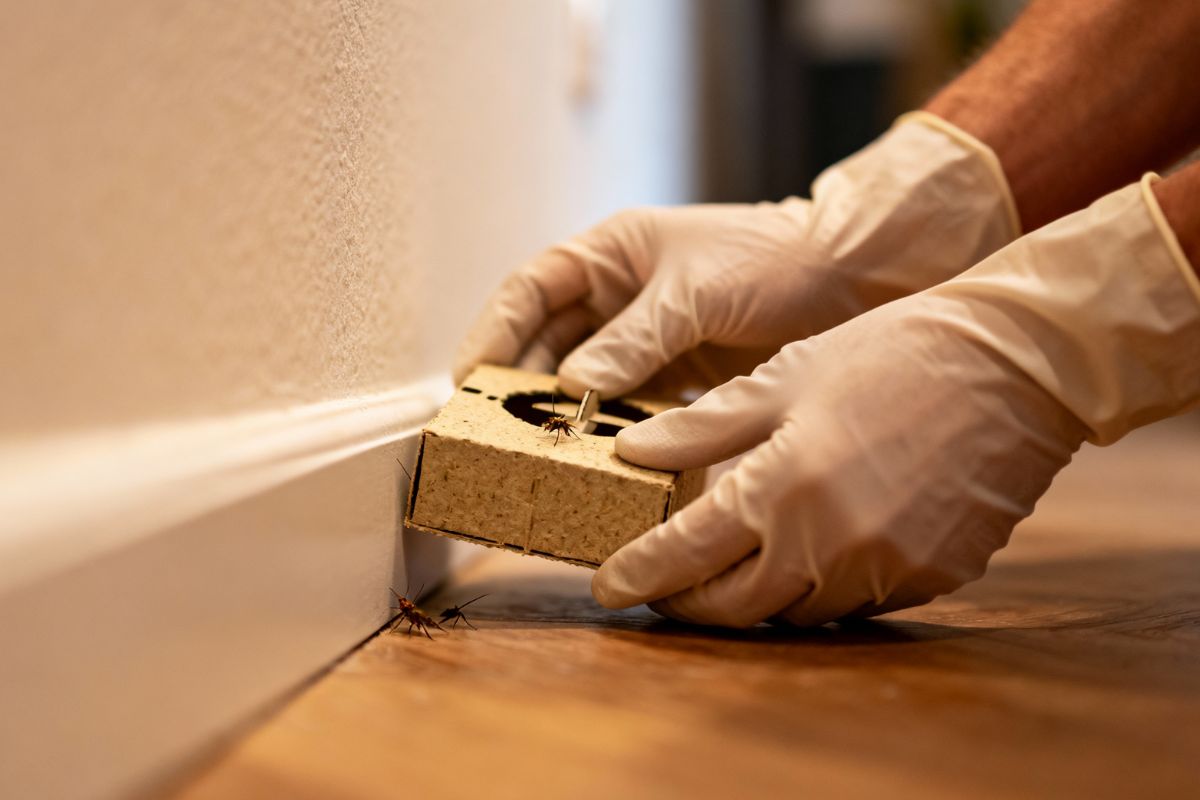
A tiny home packs a kitchen, a bed, a bathroom, and storage into a few hundred square feet, and pests notice how well that arrangement works for them. Food, water, warmth, and shelter sit within a few steps of one another, so an insect or rodent that finds one opening rarely needs to travel far to find everything else.
Builders often focus on saving space and weight, and pest resistance gets treated as an afterthought. That gap in planning matters, because a compact structure has fewer places to absorb a problem once it starts. Thoughtful design and steady upkeep can close most of the doors before anyone moves in.
Key Takeaways
Small homes leave less margin for error, but they also offer a real advantage: every surface is close enough to inspect and fix. Pest resistance in compact living starts with sealed penetrations built from chew-proof materials, storage that opens up rather than hides, and ventilation that keeps moisture from lingering.
It continues with a steady habit of looking into corners before problems grow. No design keeps out every insect or rodent, and occasional sightings are normal. What matters is whether the structure gives pests a reason to stay and multiply.
Builders and owners who plan for access, airflow, and durable sealing will find that most infestations never get the chance to settle in.
Why Small Footprints Give Pests an Advantage
Large houses dilute pest activity across many rooms, walls, and floors. A tiny home does the opposite. With a shorter distance between the pantry and the pillow, a single colony of ants can reach both in minutes, and a mouse nesting behind a cabinet can be within a few feet of everything it needs.
Construction style adds to the risk. Many compact homes are built on trailers or raised frames, which leaves an open underside where rodents can climb, nest in insulation, and chew through wiring. Lightweight materials such as thin sheathing and foam insulation are easy to gnaw, and the tight wall cavities they create behave like private hallways.
Compact living also concentrates moisture. Cooking, showering, and breathing all happen in a small air volume, which raises humidity quickly. Cockroaches and silverfish thrive in exactly those damp, sheltered pockets, and spiders follow the smaller insects that gather there. Each of these factors is manageable alone. Combined in one small footprint, they need deliberate planning from the start.

Gaps Around Pipes, Wires, and Floors That Get Overlooked
Every utility that enters a tiny home needs an opening. Water lines, drain pipes, propane connections, electrical conduit, and vent ducts all pass through walls or floors, and the holes cut for them are usually larger than the lines themselves. Builders sometimes cover the leftover space with a bead of caulk or nothing at all. A mouse needs only a gap about the width of a pencil, so those leftover margins are more than enough.
Trailer-based homes have another weak point where the shell meets the frame. Vibration from towing loosens seams over time, and a joint that was tight at delivery can open a little more each season. Skirting, wheel wells, and underbelly panels deserve the same attention as doors and windows.
Better materials solve most of this. Stainless steel wool packed into a gap, copper mesh, hardware cloth, and metal escutcheon plates hold up against chewing, while foam and plain caulk alone do not. Sealing should also cover the inside, because openings behind the sink or under the bathroom vanity connect straight to wall voids. Anyone building or buying should inspect these penetrations before finishes cover them.
How Activity Spreads Between Kitchen, Bedroom, and Utility Areas
In a standard house, a problem in the garage may stay in the garage for weeks. In a tiny home, the same problem reaches the kitchen almost immediately. Ants follow scent trails from a crack near the door to a crumb on the counter, then continue along the same route to any other food source in reach. Cockroaches shelter in warm appliance cavities, such as behind a mini fridge or beneath a compact stove, and forage across the whole floor plan overnight.
Rodents move through shared wall cavities that often run the full length of the structure. A pipe chase serving the bathroom may connect to the kitchen wall and continue to the loft, which gives a single animal access to every zone without ever crossing open floor. Droppings, urine, and nesting material then end up close to where people eat and sleep.
Persistent activity in a space this small is hard to resolve with store-bought sprays alone, since treating one room simply pushes pests into the next. Owners who keep seeing the same pests return can turn to professionals such as Magic City Pest Control, who can trace the source and treat the connecting pathways rather than one visible spot.
Storage, Airflow, and Clutter Habits That Remove Hiding Places
Compact homes depend on clever storage, and that cleverness can backfire. Built-in drawers under beds, sealed benches, and cabinets fitted tightly against walls create dark, undisturbed pockets where pests settle for months. Cardboard boxes are a particular problem, since cockroaches lay eggs in the folds and rodents shred them for bedding.
Accessible storage reverses the pattern. Open shelving with a small gap from the wall, removable panels, and lift-out bins let owners see and clean every surface. Airtight containers made of plastic or glass keep pantry items out of reach, and dry goods should never sit in their original paper packaging for long.
Ventilation matters just as much. A quiet exhaust fan in the bathroom and a range hood that vents outdoors cut moisture that attracts roaches, silverfish, and mold-feeding insects. Cross-ventilation through operable windows keeps corners from staying damp. Regular decluttering finishes the job: fewer objects on the floor and counters means fewer sheltered routes, and any droppings or webs become easier to spot at once.

Corners and Concealed Spaces Worth Checking on a Schedule
Even a well-built tiny home develops small changes as materials expand, contract, and wear. A quick, repeatable inspection catches those changes before pests do. A monthly walk-through should focus on the places people rarely look:
-
Under the sink and around drain and supply lines
-
Behind the refrigerator, stove, and water heater
-
Along the underside of the trailer or foundation and the skirting
-
Inside cabinet corners, closet floors, and loft edges
-
Around door sweeps, window seals, and vent covers
Look for droppings, gnaw marks, shed insect skins, greasy rub marks along baseboards, and fine webbing in upper corners. A flashlight and a small mirror make tight spaces far easier to read. Seasonal changes deserve extra attention, since rodents seek shelter as temperatures drop and ants move indoors when the ground turns wet.
When signs appear more than once in the same area, the cause is usually a hidden entry or a nesting site the owner cannot reach. Calling in a professional such as Magic City Pest Control at that point saves the time and frustration of repeating the same cleanup every few weeks.


Share: