

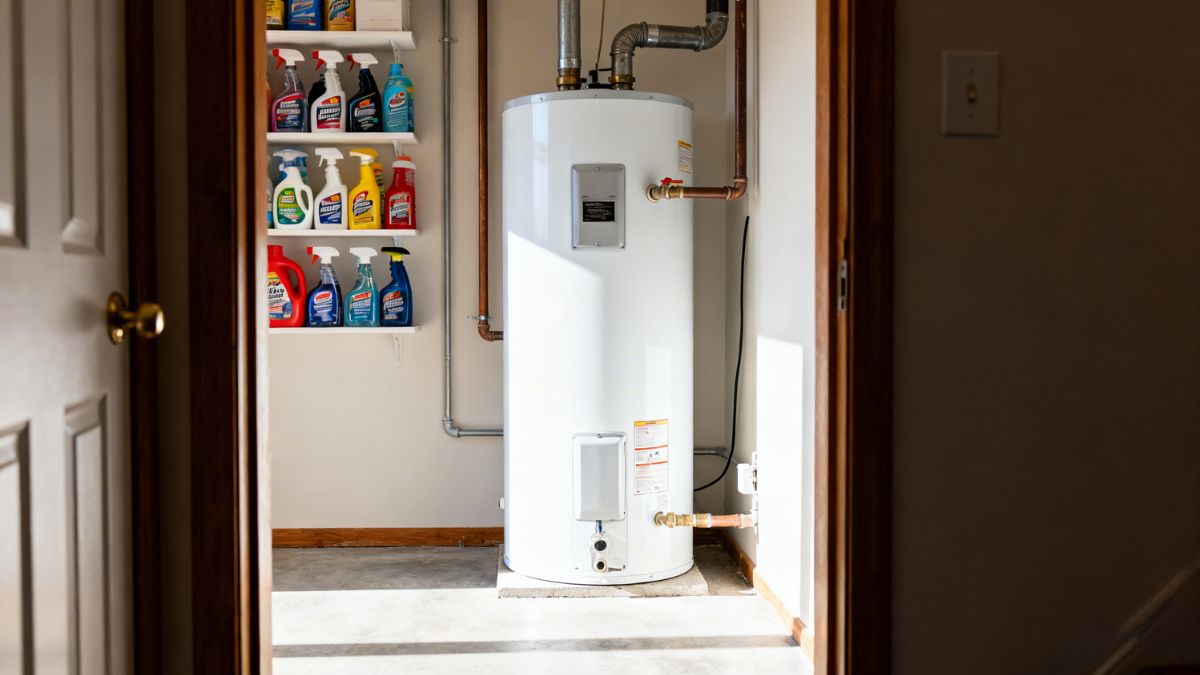
For numerous businesses, commercial hot water tanks are critical. Maintaining these systems ensures that they operate better and longer. Simple steps can help deter unforeseen problems and avoid expensive repairs.
Regular care prevents a hot water shortage while maintaining everyday business operations. The following are tips that can help keep commercial hot water tanks in service with outstanding success.
In tiny homes, where space and utilities are limited, maintaining a reliable hot water system is even more important to ensure daily comfort.

Schedule Routine Inspections
Frequent inspections help to identify early signs of wear or malfunction. You need to arrange for a technician to check the tank, plus the valves and pipes, at least two times each year. By identifying small problems early, it can prevent them from turning into bigger issues and hence minimize downtime.
They also ensure that all parts operate efficiently and safely. Regular inspections can prolong the life of the tank. Choosing commercial hot water tanks ensures strategies that balance energy savings, consistent output, and sustainable outcomes.
For tiny house setups, routine inspections are especially valuable since compact systems can wear out faster due to frequent use in smaller living spaces.
Flush the Tank Periodically
Hot water tanks often get sediment buildup at the bottom. A tank flush also rids the deposits and maintains a seamless system. It is necessary to repeat this process every six months to keep the water as clean as possible and receive the highest quality heating.
It also prevents sediment from building up, which causes corrosion and damage to the inside of the tank. Regular flushing supports energy efficiency.
This is particularly beneficial in tiny homes, where smaller tanks are more prone to sediment buildup that can quickly affect performance.
Check Pressure Relief Valves
Pressure relief valves are another crucial component in your system for preventing tank overpressure. Routine maintenance should include checking these devices for proper functioning. Faulty valves are usually a risk situation that causes dangerous tank failure.
Then pull the lever up and verify that you have a good flow of water through the discharge pipe. Immediately replace any malfunctioning valves to ensure safe operation.

Monitor Water Temperature Settings
Hot water temperatures should stay at or below recommended levels to reduce the risk of scalding, along with reducing energy use. Setting the thermostat between 120 and 140 degrees Fahrenheit works well for most commercial systems.
It does so due to its lower temperatures, which reduces mineral build-ups and increases the longevity of the heaters. Periodical checks of temperature settings maintain the water supply and user safety.
Inspect Anode Rods Regularly
Your tank has what is called an Anode rod, which is designed to attract corroding minerals in your water away from the walls of the tank. These rods break down over time and become less effective.
Anode rods are checked or replaced once every 1 to 3 years, depending on how aggressive the water is in the tank. If not taken care of, rusty, worn rods can cause leaks in petcocks. This part needs to be well-maintained to last longer.
Look for Leaks and Corrosion
Hot water storage can be destroyed due to leaks and corrosion, including everything nearby. You should also look at the outside of the tank or any points where it connects to the wall for signs of moisture or rust.
Don't delay addressing leaks, as they cause water wastage and can damage the structure. Constant data also ensures the right performance and avoids surprise malfunctions.
Test Thermostats and Heating Elements
Additions like thermostats and heating elements regulate the water temperature and how quickly you heat it. Issues with components can result in fluctuating temps or sluggish recovery times.
Part of scheduled maintenance consists of testing a few parts to make sure everything works properly. By replacing any broken-down parts quickly enough, you will ensure there are no interruptions in your supply of hot water. Checking regularly can prevent sudden equipment failure.
Insulate Tanks and Pipes
Tanks and pipes exposed to the outside are losing heat and increasing energy costs. Insulation retains the water heat and lowers heating costs. Tanks and pipes that are insulated hold heat longer and can give hotter water in a more consistent flow.
The materials used must be right for both safety and function. Just following this simple step can increase the efficiency of the system as a whole.
Proper insulation is a must in tiny homes, as it helps conserve energy and maintain consistent water temperature in tightly enclosed spaces.

Maintain Clean Surrounding Areas
Keeping the area around the hot water tank clear ensures that dust and debris do not seep into vents or controls. It keeps the space clear to allow better air flow and accessibility during maintenance work.
Take all loose items denoted in the vicinity of the tank to reduce the possibility of a fire and for safety. It also makes the detection of a leak or a problem early much easier.
Keep Records of Maintenance Activities
Written records track every maintenance activity, inspection, and repair. Recording issues and service dates helps you extract important insights later on. Accurate records help technicians identify repeat issues and outline future preventative care.
Maintenance logs are organized to ensure reliable operation and extended longevity of the tank. Having good records will make it easy to claim the warranty if you need to.
Conclusion
Well-maintained commercial hot water tanks work best, and they are also safe. These 10 tips will help businesses to minimize expensive repairs and ensure the dependable supply of hot water, thus extending the useful life of equipment.
These practices are especially useful for tiny homeowners who depend on efficient, space-saving systems to support a minimalist lifestyle.
Consistent, small-scale actions can reap enormous dividends in the long run across any facility, depending on these core infrastructure elements.



Share: