


Building an eco-friendly home isn’t just a trend; it’s a commitment to sustainability and a healthier planet. By choosing sustainable materials, optimizing energy efficiency, and enhancing indoor air quality, you can create a living space that reflects your values. But it doesn’t stop there. There are innovative techniques and strategies that can further elevate your home’s eco-friendliness. Discover how simple changes can lead to significant impacts on your lifestyle and the environment.
Key Takeaways
-
Choose sustainable materials like reclaimed wood or bamboo to reduce ecological impact and promote biodiversity in your home.
-
Design your home for energy efficiency by maximizing natural light and airflow through strategic orientation and passive design principles.
-
Incorporate natural lighting with well-placed windows and skylights to enhance comfort and lower electricity bills.
-
Implement effective water management strategies like rainwater harvesting and greywater recycling to conserve fresh water and reduce waste.
-
Enhance indoor air quality by using non-toxic materials, incorporating indoor plants, and maintaining proper ventilation systems.
Why Choose Sustainable Materials for Your Home?
When you choose sustainable materials for your home, you’re not just making a stylish choice; you’re also making a powerful statement about your commitment to the environment.
Sustainable sourcing guarantees that the materials you use are harvested responsibly, minimizing ecological impact. By selecting items like reclaimed wood or bamboo, you promote biodiversity and reduce waste.
Additionally, you’ll appreciate the material longevity that comes with these choices; high-quality, eco-friendly materials often last longer than conventional options, saving you money in the long run.
Your home becomes a sanctuary of sustainability, where each element reflects your values. Plus, you inspire others to rethink their choices, creating a ripple effect that encourages a greener future for all.

How to Optimize Energy Efficiency in Your Home Design?
To create a truly energy-efficient home design, you must consider both the orientation of your house and the materials you use.
Embrace passive design principles by positioning your home to maximize natural light and airflow, reducing the need for artificial lighting and air conditioning.
Use thermal mass materials like concrete or stone to absorb heat during the day and release it at night, maintaining a stable indoor temperature.
Insulate thoroughly to minimize energy loss, and choose high-efficiency windows to enhance your home's performance.
Incorporating renewable energy sources, such as solar panels, can further boost efficiency.
How Natural Lighting Reduces Energy Costs
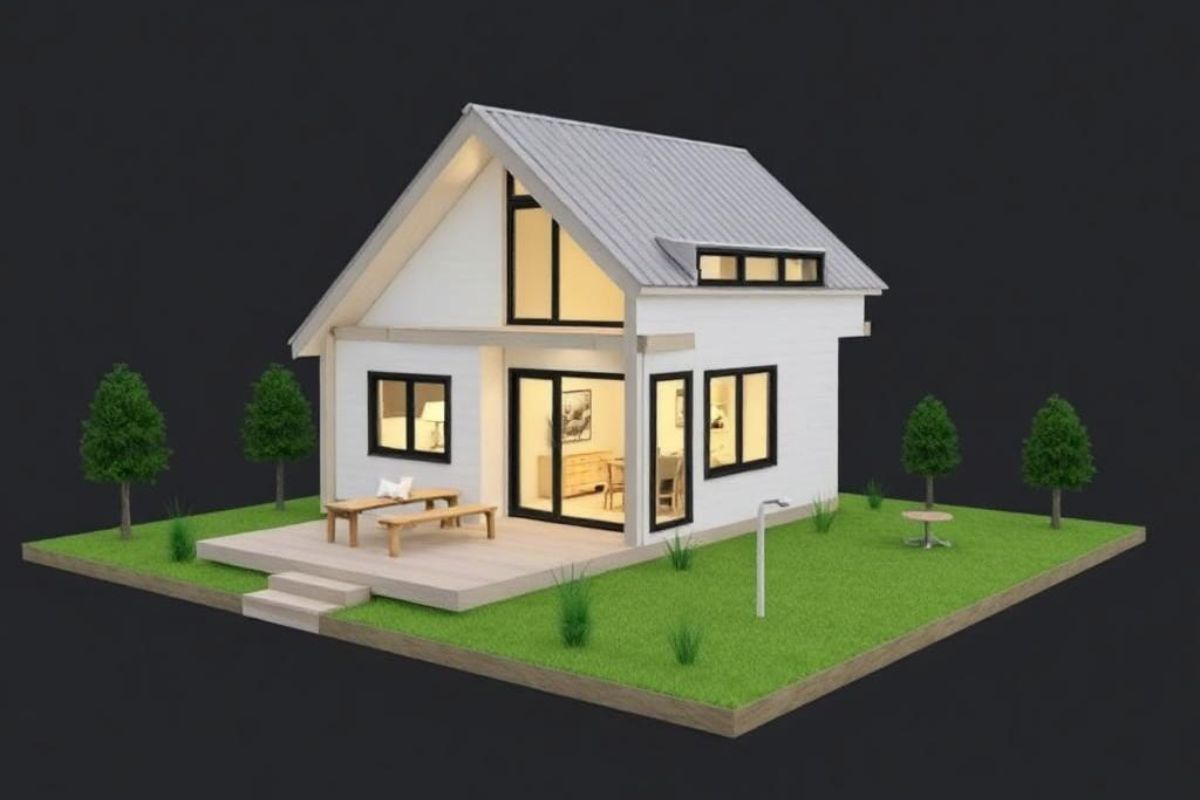
Natural lighting not only enhances the aesthetic appeal of your home but also plays an essential role in reducing energy costs. By strategically positioning windows and using skylights, you can maximize natural light benefits, allowing sunlight to illuminate your space. This reduces your reliance on electric lighting, leading to significant energy savings throughout the day.
Additionally, natural light creates a warm and inviting atmosphere, making your home feel more comfortable without the need for excessive heating or cooling.
To harness these advantages, consider using light-colored walls and reflective surfaces that bounce sunlight deeper into your rooms. Embracing natural light not only boosts your home's sustainability but also lowers your utility bills, making it a smart choice for eco-conscious homeowners.
Effective Water Management Tips to Conserve Resources
While many homeowners overlook water management, it’s an essential step in conserving resources and protecting the environment. Start by implementing rainwater harvesting systems; collecting rainwater from your roof can supply irrigation needs and reduce your water bill.
Use decorative barrels or more sophisticated storage tanks to make it efficient and aesthetically pleasing.
Additionally, consider greywater recycling. This process reroutes water from sinks, showers, and washing machines for reuse in toilets and irrigation.
Installing a greywater system not only saves fresh water, but also minimizes wastewater.
How to Incorporate Renewable Energy Solutions?
Integrating renewable energy solutions into your home not only enhances its eco-friendliness but also greatly reduces your reliance on fossil fuels.
Start with solar panel installation; it's one of the most efficient ways to harness the sun's power. Consider your roof's orientation and local sunlight availability for ideal performance.
Next, explore wind turbine options, especially if you live in a breezy area. Small residential turbines can generate significant energy, cutting down your electricity bills.
Combine these solutions with energy-efficient appliances to maximize your savings. Additionally, look into battery storage systems to store excess energy for use during peak times.

Designing for Indoor Air Quality: Tips for a Healthier Home
Creating a healthier home starts with prioritizing indoor air quality, as it greatly impacts your well-being.
Begin by incorporating indoor plants, like snake plants and peace lilies, which naturally filter toxins and add humidity to your space.
Choose non-toxic, low-VOC paints, finishes, and materials that minimize harmful emissions.
Regularly maintain your ventilation systems to guarantee fresh air circulates throughout your home.
Invest in quality air purifiers that effectively capture allergens and pollutants, enhancing your indoor environment.
Consider using natural cleaning products to reduce chemical exposure.
Finally, verify your home is well-insulated, preventing moisture buildup and mold growth.
Landscaping Ideas for Eco-Friendly Outdoor Spaces
Healthy indoor air quality sets the stage for a vibrant outdoor space, so it’s time to turn your attention to landscaping.
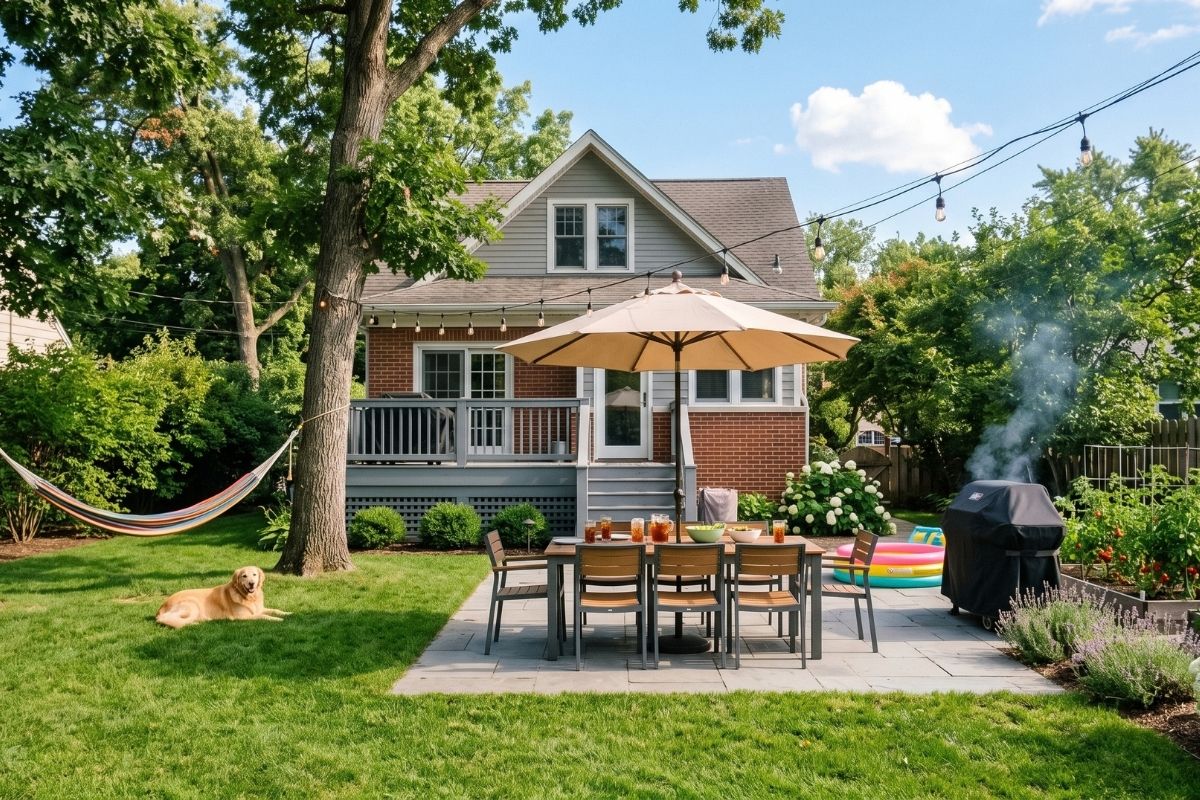
Start by incorporating native plants into your garden, as they’re well-adapted to your local climate and require less water and maintenance. These plants attract pollinators and create outdoor habitats that foster biodiversity.
Consider adding a rain garden to manage stormwater and support local wildlife. Use permeable materials for walkways to allow water infiltration, reducing runoff.
Incorporate composting areas for organic waste, enhancing soil health while minimizing landfill contributions.
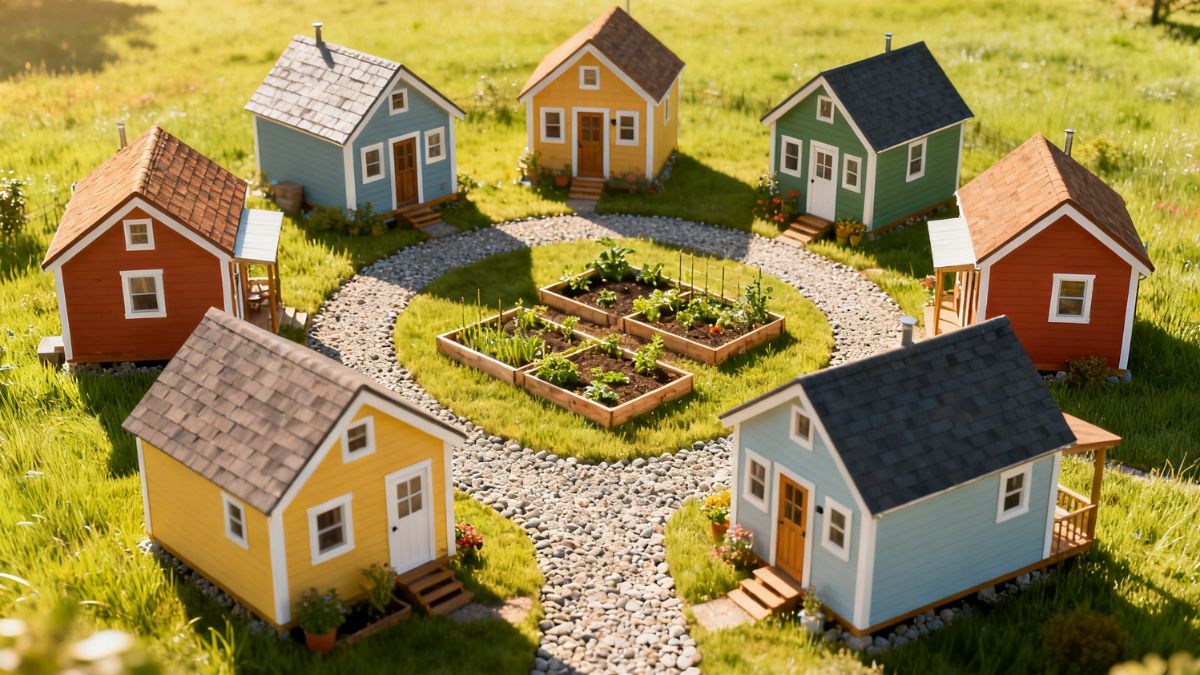
Finally, set up a small vegetable patch to grow your own produce, promoting a cycle of sustainability.
With these eco-friendly landscaping ideas, you’ll create an outdoor oasis that benefits both nature and your well-being.

The Financial Perks of Going Green With Your Home
While you might think that going green requires a hefty initial investment, the long-term financial benefits can greatly outweigh those upfront costs. By utilizing energy-efficient appliances and sustainable materials, you’ll notice a significant drop in utility bills, enhancing your monthly budget.
Plus, many governments offer tax incentives for eco-friendly home improvements, allowing you to recoup some of those initial expenses.
When it comes time to sell, your home’s resale value could soar. Buyers are increasingly seeking environmentally-conscious properties, often willing to pay a premium for energy-efficient features.
Investing in sustainable building practices not only helps the planet but also solidifies your financial future, proving that green living isn't just a trend—it's a smart, savvy choice.
Conclusion
Building an eco-friendly home isn’t just about sustainability; it’s about creating a healthier, more inviting space for you and your family. By choosing sustainable materials, optimizing energy efficiency, and incorporating natural elements, you’re not only reducing your environmental footprint but also enhancing your quality of life. Embrace innovative solutions and thoughtful design to foster a harmonious relationship with nature. Together, you can transform your living environment into a sanctuary that’s both eco-conscious and vibrant.
Share: