

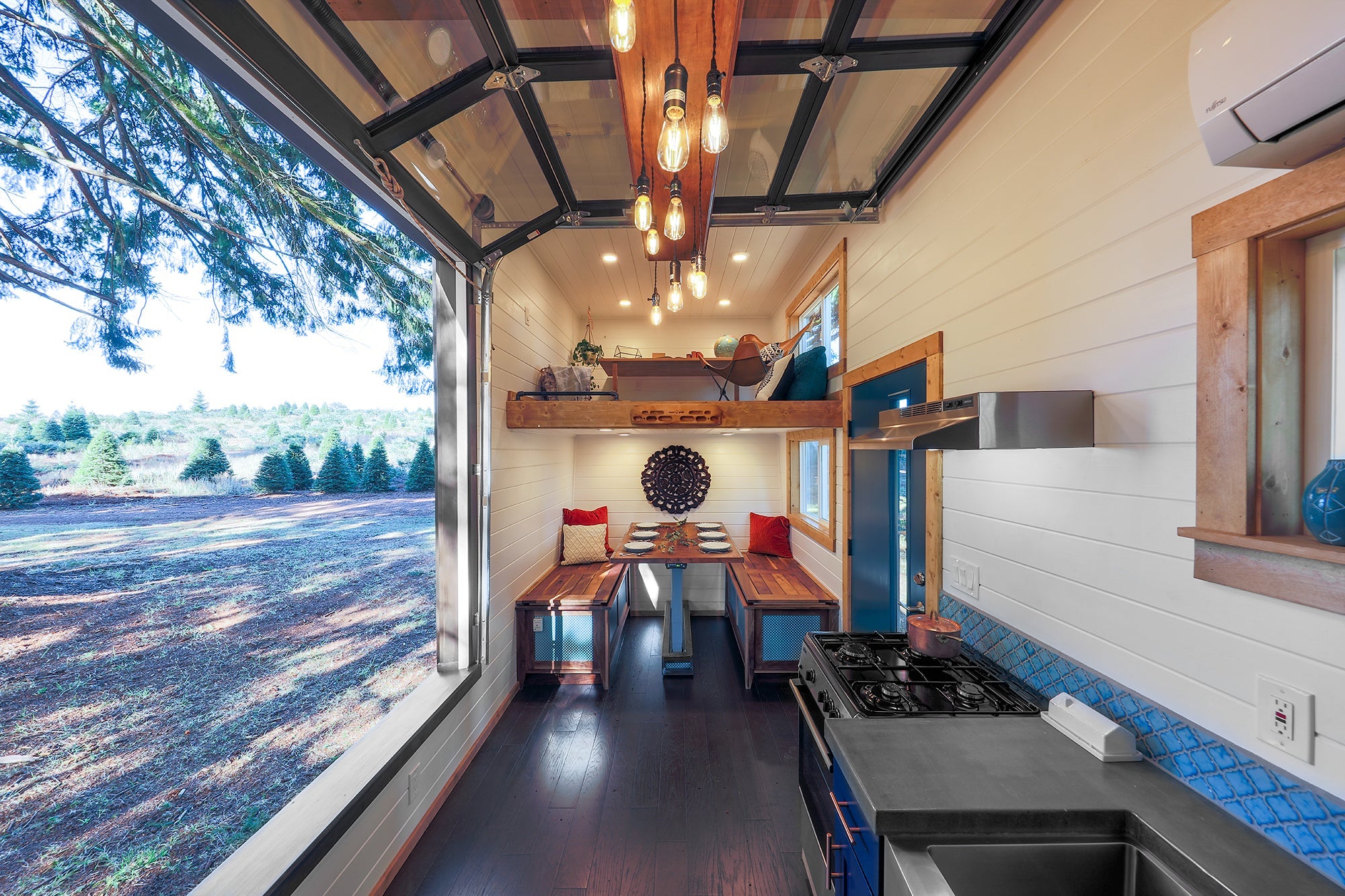
When you make the exciting move to tiny house living, one practical challenge often catches new owners by surprise: where do you put all the tools, equipment, and seasonal items that won't fit inside your compact home?
Without a garage, you'll need to carefully prioritize which outdoor structures to build first on your property. Making smart decisions about what to construct before you even move in can save you countless headaches down the road.
Living tiny means embracing intentional choices, and your property's layout is no exception. While your tiny house itself provides shelter and living space, the reality is that you'll still need somewhere to store lawn equipment, outdoor furniture, bicycles, and all those items that simply don't belong inside. The good news? You have several practical options, and building the right structure first can actually make the rest of your property development much easier.
Why Storage Matters for Tiny House Owners
Storage challenges multiply quickly when you're living in 400 square feet or less. Even the most minimalist tiny house dweller needs tools for basic property maintenance, gardening supplies, and seasonal equipment. Without proper outdoor storage, these items end up cluttering your tiny home's precious interior space or deteriorating in the elements.
Many tiny house owners find that their first outdoor structure becomes a multi-purpose workspace that serves several critical functions. Beyond simple storage, this first building often houses tools, provides a workshop area for projects, and even offers covered space for vehicle maintenance. For those looking to protect vehicles without a traditional garage, carports offer an affordable alternative that can be built relatively quickly.
The timing of construction matters too. Building your storage structure early means you'll have a secure place to keep tools and materials as you continue developing your property. This makes every subsequent project more manageable.

The Storage Shed: Your First Priority
For most tiny house owners, a well-designed storage shed should be your first construction priority. A basic 10x12 foot shed provides approximately 120 square feet of dedicated storage space without requiring the extensive foundation work and permitting processes that larger structures demand.
Storage sheds under 200 square feet are often exempt from building permit requirements, making them a practical starting point for new property owners.
Your first shed doesn't need to be fancy. Focus on weatherproof construction, sturdy framing, and adequate ventilation. A simple gable roof design sheds water effectively and provides some overhead storage potential. Consider including wide double doors that accommodate larger equipment like lawn mowers and wheelbarrows.
Material choices impact both cost and longevity. Pressure-treated lumber creates a durable foundation resistant to ground moisture and pest damage. For siding, options range from economical T1-11 plywood to more weather-resistant fiber cement panels. Metal roofing outlasts asphalt shingles and requires less maintenance over time.
Workshop Space: Expanding Your Capabilities
Once you've addressed basic storage needs, consider whether a workshop should be your second structure. Many tiny house owners discover they need dedicated space for building projects, repairs, and hobbies that simply can't happen inside a 200-square-foot home.
A workshop differs from a basic storage shed in several important ways. Workshops typically require electrical service for power tools and lighting, better insulation for year-round use, and a more robust floor that can handle heavy equipment.
For workshops, a concrete foundation is recommended rather than crushed stone, providing a sturdy, level surface that will withstand heavy equipment.
Size your workshop based on your actual needs and local regulations. A 12x16 foot workshop offers substantial workspace while remaining manageable for most DIY builders. Include windows for natural light, adequate electrical outlets, and consider adding a separate room or partitioned area for tool storage to keep your workspace clear.
Understanding Permit Requirements
Before you start any construction project, understanding local building codes and permit requirements saves enormous frustration. Regulations vary significantly by municipality, and what's permissible in one county might be prohibited in the next. features for outdoor sheds can guide your planning process and help you avoid costly mistakes.
Most jurisdictions regulate accessory structures based on size, height, setback distances from property lines, and total lot coverage. Some areas allow structures under a certain square footage without permits, while others require approval for any new building.
Check with local authorities concerning building code and building permit requirements, and follow good construction practices when building from any plans.
Don't skip this research phase. A phone call to your local building department can clarify what's allowed on your specific property. Ask about setback requirements, maximum structure heights, total allowable coverage for accessory buildings, and whether you need separate permits for electrical or plumbing work.
Building in the Right Order

Strategic sequencing of your construction projects saves time, money, and effort. Your first structure should be the one that enables all subsequent work on your property. For most people, this means prioritizing in this order: storage shed first, then workshop space, followed by any specialty structures like chicken coops or greenhouses.
Why this sequence? Your storage shed provides immediate protection for tools and materials you'll use for other projects. As you build additional structures, you'll accumulate more equipment that needs protection. Having that storage in place from day one prevents the common mistake of cramming everything into your tiny house or leaving expensive tools exposed to weather.
Consider site preparation too.
Outdoor workers are exposed to many types of hazards, and employers should train workers on identifying hazards and how to prevent and control their exposures. Building in phases gives you time to learn proper construction techniques, understand your property's drainage patterns, and make informed decisions about permanent structure placement.
The workshop comes second because it expands your capabilities dramatically. Once you have basic storage handled, a workshop lets you tackle more complex projects yourself rather than hiring contractors. This DIY capability becomes especially valuable for tiny house owners who often need to build custom solutions for unique space challenges.
Making Your First Structure Count
Your first outdoor structure sets the tone for your entire property. Invest in quality materials and solid construction techniques even if you're working with a tight budget. A well-built 10x12 storage shed that lasts 25 years provides far more value than a cheaply constructed building that needs replacement in five years.
Plan for future expansion when designing your first structure. Leave room for additions or modifications as your needs evolve. Simple design choices like consistent roof pitches, matching siding materials, and coordinated paint colors create visual harmony as you add more structures over time.
Remember that your first building is also a learning opportunity. Many tiny house owners tackle their storage shed as a DIY project, gaining valuable construction experience they'll use for future property improvements. The skills you develop building a simple shed translate directly to more complex projects later.
Start with a solid foundation, use proper framing techniques, and don't cut corners on weather protection. These fundamentals apply whether you're building a basic storage shed or a more elaborate workshop. Your first structure proves you can successfully complete a building project, building both your property and your confidence simultaneously.

Share: