

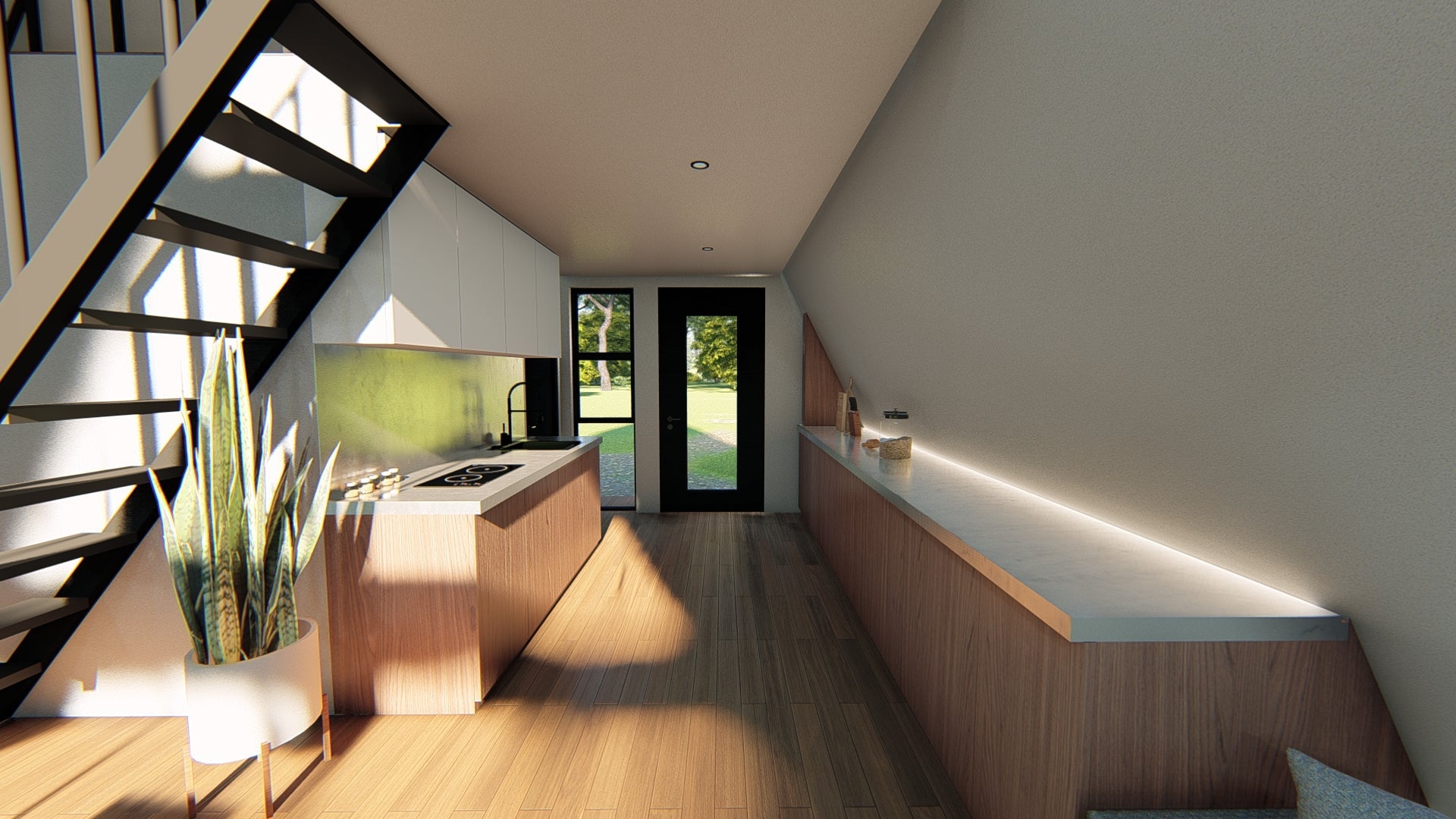
Moving a tiny house is one thing. Getting it properly settled on your property is another challenge entirely. If you're bringing a tiny home to Brisbane or anywhere in Australia, you'll quickly learn that transportation is only half the story. Once that truck pulls up to your lot, you'll need specialized equipment to position your dream dwelling exactly where you want it.
Many folks underestimate what it takes to get a tiny house from the road to its final resting spot. You might have cleared your property, prepped the foundation, and secured all your permits, but without the right lifting and placement equipment, your tiny home stays exactly where the truck driver left it. That's where professional equipment hire becomes essential to your project.
Why Transportation Alone Isn't Enough
When your tiny house arrives on a flatbed truck, the delivery team can bring it to your property. They'll navigate roads, manage permits for oversized loads, and coordinate timing. But most standard delivery services end at the curb. Getting your home from the street to its precise location, whether that's 50 feet back or up a slight incline, requires different machinery altogether.
Working with experienced forklifts Brisbane providers ensures you have the right capacity and reach for your specific home. Tiny houses typically weigh between 7,000 and 10,000 pounds depending on materials and size, so you'll need equipment rated well above that threshold for safety margins.
Access roads need to be 3m wide with 4.3m high clearance
for delivery vehicles, but your placement equipment needs even more consideration for maneuverability. Many Brisbane properties have existing landscaping, established gardens, or tight side yards that make positioning tricky without the proper machinery.

The Equipment You'll Actually Need
All-terrain forklifts are the workhorses of tiny house placement. Unlike standard warehouse forklifts, these machines handle uneven ground, grass, gravel, and slight slopes without getting stuck. They're built rugged with wide tires and high ground clearance.
The property may require grading, foundation preparation, or access improvements to ensure the home can be delivered and installed safely. Before the big day, walk your property and identify any obstacles. Low-hanging branches, narrow gates, or soft soil conditions all affect what equipment you'll need and how your placement team will approach the job.
Some Brisbane tiny house owners need crane services if the home must be lifted over structures or placed on an elevated foundation. This adds complexity and cost but sometimes provides the only viable solution for difficult sites. Professional transport companies often coordinate with crane operators for these specialized placements.
Planning Your Placement Day
Your placement day requires careful coordination between multiple parties. The transport driver, forklift operator, and your builder or installation team all need to be on the same page about timing and sequence. Most professional operations arrive early, assess the site conditions in person, and make final adjustments to the plan before beginning the lift.
Delivery typically takes most of the day, with teams usually arriving between 11 AM and noon, though timing can vary by a few hours, and depending on site conditions and complexity, the delivery may extend into a second day. Brisbane's weather can throw curveballs, especially during summer storm season, so build flexibility into your schedule.
Have your foundation prepared and level before delivery day. Whether you're using concrete piers, a gravel pad, or a full slab, that work needs completion first. The forklift operator can make minor adjustments to positioning, but they can't level your home on an uneven foundation.
Understanding Local Regulations and Requirements
Brisbane and surrounding Queensland councils have specific requirements for tiny house placement.
Siting of RVs, Park Models and THOWs is regulated and controlled by local planning and zoning ordinances. Before hiring equipment or scheduling delivery, confirm your local council's rules about setbacks from property lines, utility connections, and whether your tiny house classification affects placement requirements.
Many tiny house owners find that working with the experienced tiny house builders helps navigate these regulatory waters smoothly. They've handled Brisbane placements before and know which councils require engineer certifications, which want detailed site plans, and how to phrase applications for best results.
Housing and transportation planning experts note that coordination between different agencies remains critical for successful housing projects. At the local level in Brisbane, you're dealing with transport permits, building certifications, and zoning approvals, all from different departments. Starting early gives you time to address any unexpected requirements.

Cost Considerations for Equipment Hire
Forklift hire in Brisbane typically runs between $150 and $400 per day depending on capacity and terrain capabilities. All-terrain models command premium rates but provide essential capabilities for residential property access. Most hire companies require minimum rental periods and charge delivery fees to bring equipment to your site.
Factor in operator costs separately unless you're hiring a self-operated unit. Professional operators know how to handle delicate loads and maneuver in tight spaces, reducing risk to your investment. Given that your tiny house represents tens of thousands of dollars, the operator fee provides valuable insurance against amateur mistakes.
Additional equipment might include support stands, leveling jacks, or temporary blocking. Your placement team will assess what's needed based on your specific home and site conditions. Some tiny house transport specialists offer complete packages that bundle the truck delivery, forklift placement, and leveling services into one quoted price.
Site Preparation Makes Everything Easier
The more preparation work you complete before delivery day, the smoother your placement goes.
Installing wattles, silt fencing, and street drain protection for erosion control inspection is necessary, along with setting up fence posts and a chain-link barrier to safeguard trees
on many Brisbane properties subject to local environmental protections.
Clear a path wider than your tiny house's dimensions from the street to the final location. Mark underground utilities clearly so operators know where to avoid ground pressure. Remove or protect any landscaping you want to keep, because heavy equipment leaves its mark on lawns and gardens.
The building and construction industry includes house building, civil engineering construction, building installation, and building decoration, with house buildings including steel, concrete, masonry and wooden structures. Understanding your tiny house's construction method helps determine what stresses it can handle during the lift and placement process.
Research on housing construction materials demonstrates how different building methods affect structural integrity during transport and installation. Wooden-framed tiny houses, the most common type, generally handle the stresses well when properly built, but your placement team should still minimize twisting forces during the lift.
After Placement: Securing and Connecting
Once your tiny house sits on its foundation, the work continues. Securing the structure involves tie-downs, anchor points, and making sure everything stays level long-term. Brisbane's weather brings strong winds during storm season, so proper anchoring isn't optional.
Utility connections come next. Most Brisbane tiny houses connect to standard electrical service, town water, and sewer systems. Your licensed electrician and plumber handle these connections, but the placement needs to position your house close enough to connection points without compromising your site layout or future landscaping plans.
Some tiny house owners add skirting around the base to protect the undercarriage and create storage space. This finishing touch also improves aesthetics, making your tiny house look settled and permanent rather than recently landed. Deck construction, stairs, and outdoor living spaces follow once the main structure is secure and connected.

Making Smart Equipment Choices
Not all forklift services understand tiny house placement. Look for companies experienced with residential work rather than just industrial warehouse operations. They'll appreciate the delicate nature of your home and understand property access challenges that warehouse operators never encounter.
Ask potential equipment providers about their insurance coverage and whether it extends to the loads they're moving. You want protection if something goes wrong during placement. Request references from previous tiny house projects and don't hesitate to call those references.
Consider hiring a project manager or experienced tiny house placement specialist for your first rodeo. They coordinate all the moving parts, literally and figuratively, so you're not scrambling on placement day. The cost often proves worthwhile in stress reduction and smoother execution.
Your Tiny House Journey in Brisbane
Brisbane's growing tiny house community shows that compact living works beautifully in Queensland's climate. From inner-city backyards to rural properties in the hinterland, tiny houses provide affordable, sustainable housing options for Queenslanders ready to downsize.
Remember that the truck brings your dream to your doorstep, but the forklift makes it home. Planning for proper equipment, preparing your site thoroughly, and working with experienced professionals transforms what could be a stressful day into an exciting milestone. Before you know it, you'll be settling into your perfectly placed tiny house, ready to start your next chapter of streamlined living.
With the right preparation and equipment, your tiny house placement in Brisbane becomes a smooth, professional operation rather than a nail-biting ordeal. Take time to plan each phase, hire quality equipment and operators, and you'll have your tiny home exactly where it belongs, ready for years of comfortable living.

Share: