

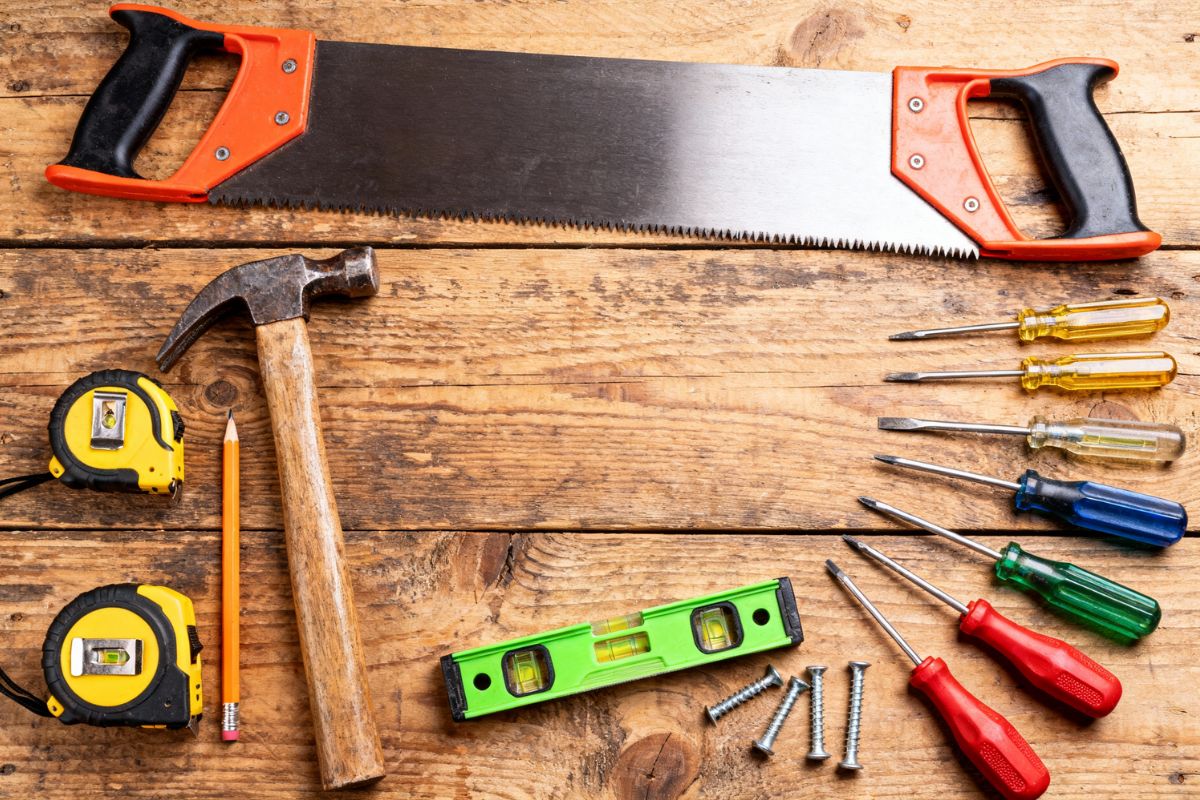
Building a tiny home is a creative and rewarding process that celebrates self-sufficiency, minimalism, and hands-on craftsmanship. But even small-scale projects involve tools and machinery powerful enough to cause serious harm if used without caution. From power drills and saws to augers and compact tractors, the equipment that brings a tiny home to life can also lead to significant injuries if not handled properly.
For many builders, the process is entirely DIY. That independence offers flexibility and satisfaction, but it also removes the structure and safety oversight present in professional construction environments. There’s no one checking your setup before you start a cut or reminding you to tie back loose clothing. That means the responsibility for safety rests entirely with the builder.
Whether you're installing flooring or trenching for utilities, recognizing the risks and knowing how to avoid them is critical.
The Reality of DIY Tiny Home Construction
Most tiny homes are built from the ground up by people with limited formal construction experience. Builders often handle framing, insulation, siding, plumbing, solar installations, and exterior work in-house. The range of tools spans handheld power tools to heavier outdoor equipment typically used on small homesteads or rural job sites.
Online tutorials may walk through the mechanics of using these tools, but they don’t always highlight essential safety protocols. Without formal training or on-site guidance, DIYers are more likely to overlook key steps that prevent injury, especially when using unfamiliar or older equipment.
Even when the footprint is small, the scope of work can be complex—and the risks can be just as serious as on a full-sized construction site.

The Tools That Demand Respect
Power Tools With Hidden Risks
Power tools like circular saws, angle grinders, and nail guns are standard in tiny home construction. They’re accessible and effective, but they come with steep learning curves. A moment of distraction or misuse can result in deep cuts, puncture wounds, or fractures. Kickback from a saw, for example, can lead to severe lacerations, while a misfire from a brad nailer can cause penetrating injuries.
Site conditions contribute to risk. Dim lighting, cluttered workspaces, unstable ladders, or wearing earbuds while operating tools can all increase the likelihood of an accident. Even simple oversights, such as failing to wear eye protection or wearing loose clothing near spinning blades, can lead to serious consequences.
PPE matters—but so does spatial awareness, environmental control, and using the right tool for the task.
Rotating Equipment and Entanglement Hazards
Tiny home projects often require outdoor preparation, such as digging post holes, clearing land, or moving materials. These tasks require more powerful equipment, such as augers, brush mowers, or compact tractors with attachments.
Some of the most severe injuries on job sites happen when PTO entanglement dangers are overlooked. Equipment with exposed shafts or rotating attachments can pull in gloves, clothing, or hair with surprising speed. These machines generate enough force to draw a person toward the moving part almost instantly. Crushing injuries, amputations, and nerve damage are common results.
In many cases, investigations reveal deeper issues. Equipment may lack proper guards, or critical safety labels may be missing. Secondhand tools may be outdated or modified in unsafe ways. These underlying factors are easy to forget until it’s too late.
Smart Building Starts With Smart Habits
Safety Planning on a Budget
Many tiny home builders are cost-conscious, often relying on used equipment or tools borrowed from friends. That can be a smart way to stretch a budget, but it also introduces risk if tools haven’t been properly maintained.
Before using any tool, especially those with motors or moving parts, check for visible damage. Look for frayed cords, cracked housings, worn blades, and missing guards. If you’re unsure whether a tool is safe to operate, take time to research its proper setup. Manuals are usually available online and include important maintenance and safety instructions.
Saving money should never come at the expense of personal safety.

Common Oversights That Lead to Accidents
In solo builds, mistakes can go unnoticed until something goes wrong. With no one else on site, injuries become more dangerous, especially when the builder is out of view or can’t easily call for help.
Frequent oversights include:
-
Ignoring tool instructions
-
Failing to inspect components before use
-
Using makeshift stands instead of stable supports
-
Blocking out environmental sounds with music
-
Wearing baggy clothing or unsecured long hair near moving parts
Each of these actions might seem minor, but in the wrong moment, they can lead to a trip to the hospital—or worse.
Routine Maintenance and Upkeep
Tools can wear out or become damaged over time, and outdoor equipment is especially prone to deterioration. Moisture, rust, and grit can affect performance and increase the chance of mechanical failure.
Routine maintenance should include cleaning, tightening bolts and fasteners, lubricating moving parts, and replacing any damaged components. Pay extra attention to tools that operate under torque or pressure, such as rotary diggers or tillers. These machines can cause significant injury if they seize, jam, or malfunction during use.
When the Outdoors Becomes the Danger Zone
Site preparation introduces its own risks. Digging, trenching, clearing vegetation, or grading dirt paths often involves unfamiliar equipment. Uneven terrain, unstable ground, weather conditions, and limited visibility further compound the complexity.
Injuries involving agricultural machinery contact often occur when gloves, jackets, or other loose items become entangled in unshielded rotating parts. These types of accidents can result in crushed limbs, deep lacerations, and traumatic amputations. Many injuries happen quickly and without warning, especially when the operator is fatigued or not fully aware of their surroundings.
These risks are especially pronounced when using outdated tools or rented equipment that hasn't been inspected. Safety protections might be missing, disabled, or bypassed entirely, creating dangerous conditions for the user.
Accidents Happen—What Then?
Even experienced builders can get hurt. Sometimes it's due to inattention or fatigue. Other times, it’s the equipment that fails.
When a rotating or mechanical tool causes an injury, the source of the problem isn’t always operator error. A missing safety label, poor design, or a faulty component can all contribute to the severity of an accident. In these cases, liability may extend beyond the user to the manufacturer, seller, or service technician.
If you or someone else is injured while operating a tool:
-
Get medical attention immediately
-
Photograph the equipment and surroundings
-
Save any manuals, receipts, or safety warnings
-
Don’t modify or repair the tool until it’s been documented
These steps can help determine whether the equipment’s design or condition contributed to the injury.

Designing for Safety: Build It In from Day One
Many safety issues can be prevented with thoughtful planning. When designing your build site, aim to reduce clutter and plan clear, logical workflows. This makes it easier to operate tools safely, store them properly, and move through the space without tripping or bumping into hazards.
Helpful layout considerations include:
-
Dedicated storage for tools and gear
-
Walkways that stay clear of cords and debris
-
Lighting for early or late work hours
-
Logical placement of utility lines to avoid future digging risks
Builders can minimize hazards by focusing on functional layouts from the start, ensuring that each space supports efficient work and safer conditions throughout the build.
Final Thoughts
Tiny homes offer a simple lifestyle, but their construction is anything but simple. From heavy tools to rotating machinery, the work involves real hazards that require careful planning and management.
Accidents can happen to anyone, but many are preventable. Whether the risk stems from outdated tools, environmental factors, or insufficient safeguards, the outcome can be life-altering if caution is ignored.
Respect the tools you use. Plan every step with safety in mind. The home you’re building is meant to support your life — make sure it doesn’t cost you more than it should.


Share: