

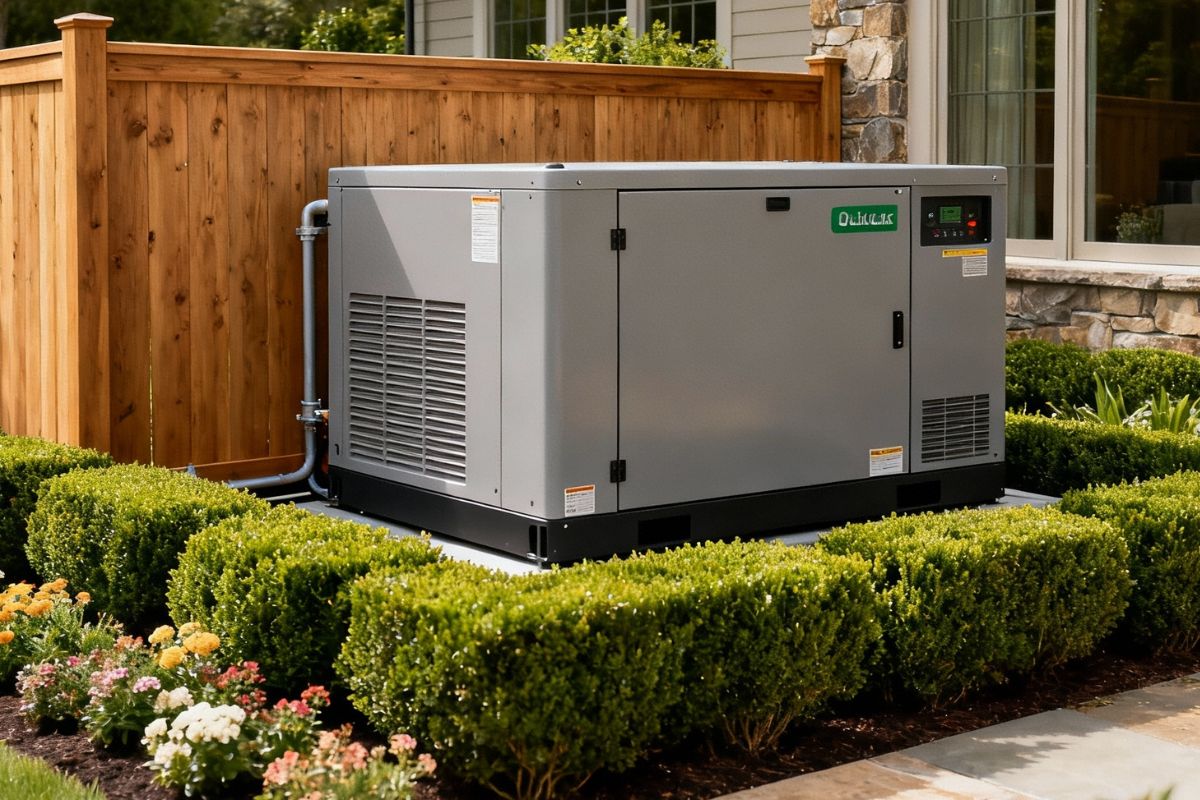
Choosing between different home generators requires more than focusing on brand names or general power output. Many homeowners are surprised by how many features directly affect performance, reliability, safety, and long-term maintenance.
With weather conditions becoming more unpredictable and household power needs increasing, understanding which features matter most helps homeowners make informed decisions that support year-round protection.
Whether someone is looking for whole-home backup or essential-circuit coverage, evaluating key features ahead of time leads to a more dependable and efficient setup.
1. Performance Features That Determine Power and Reliability
Performance-related features play a central role in how well a generator supports the home during an outage. Power capacity determines how many appliances and systems can run at the same time, while load management ensures circuits operate efficiently without overwhelming the generator.
Fuel efficiency also affects runtime and operating costs, making it crucial to choose a model that strikes a balance between output and consumption. Engine design contributes to durability and stable performance during extended outages, especially for homes in areas with frequent or prolonged power loss.
Understanding how these features interact with a home’s electrical demands is one way to make sure the generator is sized correctly. Homes with multiple high-demand appliances require a unit capable of supporting heavier loads without interruptions.
Evaluating performance early helps avoid undersized systems that struggle during peak use, while oversizing the unit can increase installation complexity and cost unnecessarily. A professional in-home assessment from a certified installer can provide personalized insights into the performance level best suited to a home’s layout, lifestyle, and expected runtime needs.

2. Safety Features That Protect the Home and Family
Safety features are essential for preventing accidents, electrical issues, and equipment damage. Automatic shutdown systems (such as low-oil and high-temperature sensors) help protect the engine from internal damage. Generators should also include safeguards that address electrical surges or unexpected load spikes, so that major appliances remain protected.
Another key safety consideration is whether the generator automatically transfers power during an outage. Models with automatic transfer switches provide seamless transitions, preventing disruptions and reducing risks associated with manual operation. Proper installation is another major contributor to overall safety. Certified installers manage permitting, placement, and code compliance to ensure that the generator is installed in a well-ventilated, safe location.
Correct positioning helps minimize carbon monoxide risks and supports long-term system performance. Accessories such as cold-weather kits can further support safe operation by helping the generator start and run smoothly in temperatures below freezing. Together, safety-focused features and professional installation help protect the home and provide peace of mind during outages.
3. Convenience Features That Improve Everyday Use
Convenience features significantly enhance the generator experience. Modern models often integrate intuitive monitoring, maintenance alerts, and remote access through digital platforms.
Smart controls allow homeowners to check generator status, track performance, or receive real-time alerts through mobile apps, which is especially helpful when away from the property. Noise-reduction engineering, such as insulated enclosures or advanced engine designs, contributes to a more comfortable environment during operation.
Choosing between natural gas and propane also influences long-term ease of use. Natural gas offers a continuous supply when a home is connected to a gas line, while propane tanks provide a reliable alternative for properties without gas service. When convenience aligns with strong performance and safety features, homeowners gain a more dependable and user-friendly backup power solution.

4. Durability and Weather-Ready Engineering
Durability determines whether a generator can withstand years of use and unpredictable weather. High-quality generators are designed to operate reliably in extreme conditions, including snowstorms, freezing temperatures, heavy rain, and high heat. Weather-resistant housing, corrosion-resistant components, and reinforced enclosures help protect internal systems from environmental damage.
This level of durability is especially important for homeowners in regions with frequent storms or seasonal temperature swings. Cold-weather accessories, such as oil heaters and battery warmers, also help maintain responsiveness in temperatures below 35 degrees Fahrenheit. These additions support smoother startups and more consistent operation throughout the winter months.
Durability also depends on regular maintenance and periodic inspections. When generators are serviced properly, they deliver longer operational life and more stable performance. Homes exposed to harsh climates benefit greatly from models engineered to withstand challenging outdoor conditions year after year.
Powering Your Home With Smarter Choices
Choosing a generator involves far more than selecting a model from a catalog. The features that influence reliability, safety, convenience, and durability ultimately determine how well the system performs when the home needs it most.
Modern generators offer smarter technology, improved noise reduction, and stronger engineering to support dependable operation. Safety features and professional installation further enhance long-term confidence.
By understanding these features before purchasing, homeowners can make more informed decisions that protect their property and ensure continuity during power outages. Investing in the right generator features leads to a smoother experience from installation through everyday operation.
Share: