

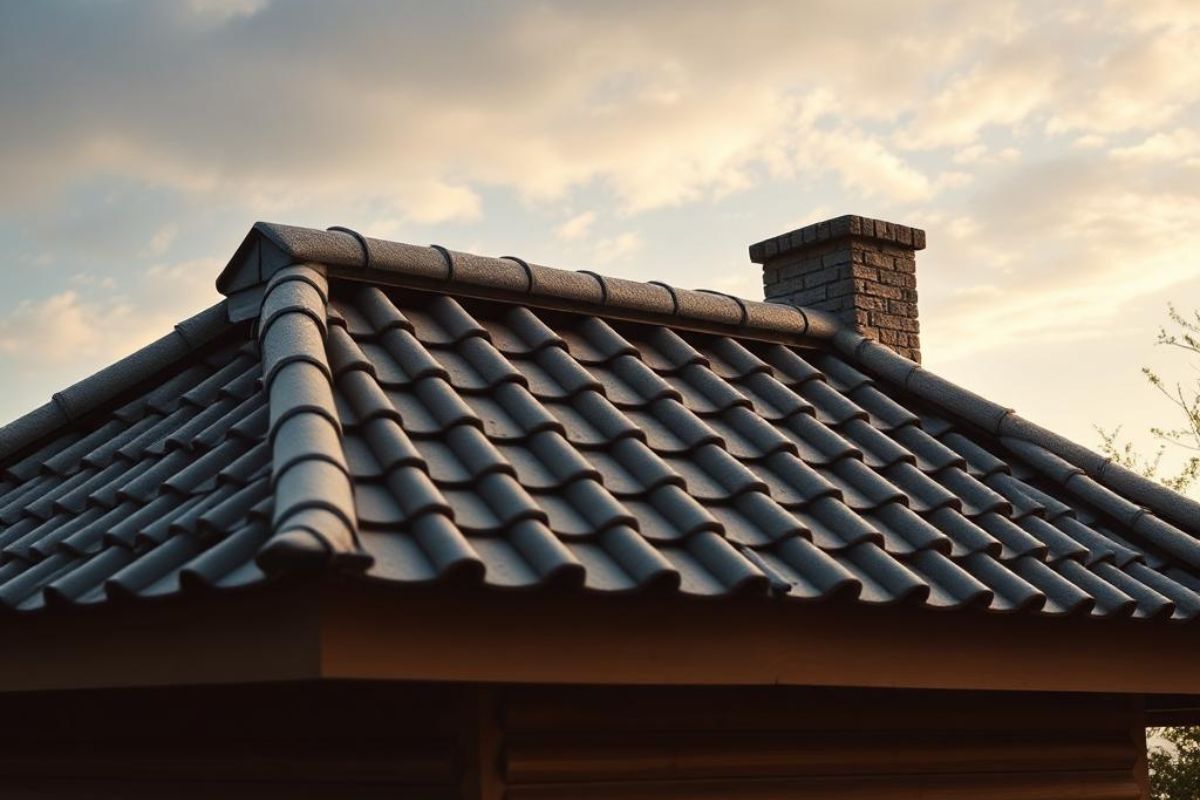
A tiny house roof has to work hard. It needs to shed water, stand up to wind, control heat, and add as little weight as possible.
With small footprints and tight lofts, your material choice affects comfort, energy use, and long-term upkeep. Even small mistakes can lead to leaks, drafts, or overheating in the loft. Choosing wisely ensures your home stays comfortable, efficient, and durable for years to come.
Match Material To Your Climate
Start with weather patterns. If you live with big temperature swings or long sunny seasons, look for a roof that reflects heat and cools quickly.
Your goal is to control attic and loft temperatures and reduce strain on small HVAC units. Many owners favor high-quality metal roofing systems because they combine low weight with strong wind and fire performance. In snow zones, smooth metal helps snow slide, while in rainy climates, tight seams and proper underlayment prevent leaks.
Choosing a roofing material that aligns with local climate conditions improves comfort, efficiency, and durability over time.
A climate-appropriate roof reduces energy demand, minimizes moisture-related risks, and helps the structure respond naturally to seasonal changes. For tiny homes, where space and mechanical capacity are limited, matching the roof system to regional weather patterns is one of the most effective ways to ensure consistent performance and long-term reliability.
Cool Roofs And Comfort
A federal resource notes that cool roof surfaces can drop peak indoor temperatures by a few degrees, which matters in compact spaces where heat builds fast.
That kind of reduction can be the difference between a stuffy loft and a livable one on summer afternoons. In addition, a cool roof can extend the life of roofing materials by reducing thermal stress and minimizing expansion and contraction over time.

Balance Weight, Durability, And Maintenance
Tiny houses ride on trailers or light foundations, so every pound counts. Metal panels are light, durable, and easy to flash around vents.
Asphalt shingles cost less up front, but add weight and usually need replacement sooner than metal. Cedar looks warm and natural, but expect regular inspections and gentle cleaning to avoid damage.
Think in decades, not years. Choose a roof that you can inspect safely and repair with basic tools, since many tiny homes sit far from big-city contractors.
-
Prioritize low weight per square foot
-
Favor materials with long service life
-
Plan for simple cleaning and fast repairs
-
Use corrosion-resistant fasteners and trims
-
Verify warranty terms for mobile or small structures
A roof that balances weight, durability, and maintenance demands will support the long-term performance of a tiny house far better than one chosen on appearance or upfront cost alone.
Lightweight systems reduce strain on trailers and foundations, durable materials withstand movement and weather exposure, and low-maintenance designs make ownership more practical for remote or mobile living.
When these factors work together, the roof becomes a reliable asset that protects the home, simplifies upkeep, and delivers consistent performance over many years.
Design For Resilience
Storms do not scale down for small homes. Your roof should resist uplift, water intrusion, and flying embers.
Updated FORTIFIED standards provide clear steps to harden edges, fasteners, and underlayments so a compact home can ride out rough weather. Even simple upgrades like sealed roof decks and enhanced ridge details add protection.
If you build or retrofit, ask your installer to follow uplift-tested details and to document fastener spacing. A few hours of careful fastening and taped sheathing now can save your interior later.
Plan Venting, Insulation, And Details
Vent paths are tight in tiny homes, so design them early. A cool roof surface, plus continuous intake and exhaust, keeps the deck dry and controls condensation. Where venting is hard, consider a properly detailed unvented assembly with vapor-smart layers.
Pay attention to edges. Drip edge, closures, and insect screens stop wind-driven rain and pests. Generous overhangs shade walls and windows, as long as your trailer width and route clearances allow it.
Thoughtful coordination between venting, insulation, and edge details ensures the roof system performs as a complete, durable assembly rather than a collection of parts.
Proper airflow protects insulation from moisture damage, well-sealed edges prevent heat loss and water intrusion, and carefully planned overhangs enhance comfort while extending material life.
In a tiny house, where margins are small and systems work closely together, these details play a critical role in long-term comfort, energy efficiency, and structural health.

Consider Appearance And Long-Term Value
While performance is critical, appearance still matters. Your roof defines the visual character of your tiny house. Clean metal lines suit modern designs, while textured shingles or wood elements complement rustic or cottage styles.
A durable, attractive roof can also increase resale value and curb appeal. Many buyers view the roof as a signal of overall build quality. Choosing a reputable material with a proven track record helps future-proof your investment.
DIY is common in the tiny house world, yet roof detailing remains precise and unforgiving work. While owners often handle framing or interior finishes themselves, critical roofing steps are best left to experienced professionals.
Tasks such as underlayment installation at valleys, ridge vent detailing, flashing penetrations, and final fastening in high-wind areas require accuracy, tested methods, and an understanding of building science. Even small errors at these points can lead to moisture intrusion, heat loss, or premature material failure.
At the same time, homeowners should stay involved. Keep all manuals, product specifications, warranty documents, and installation photos organized in a dedicated binder or digital file. This record simplifies future inspections, repairs, or upgrades, especially if the home changes locations or ownership.
Knowing exactly what materials and methods were used gives you greater control over long-term maintenance.
A small roof can deliver big performance when thoughtful material selection is combined with solid detailing and a clear plan for local climate conditions. The right roof improves comfort in tight lofts, reduces noise during rain or wind, and lowers ongoing energy demands.
When you choose with longevity and resilience in mind, your tiny house feels more stable, quieter, and easier to live in, proving that smart design choices can make even the smallest homes perform at their best for years to come.

Share: