

A few small exterior upgrades can make your home look fresh, work better, and feel safer. You don’t need a full remodel to notice the difference. With a weekend plan and a smart shopping list, you can bump curb appeal, cut drafts, and trim utility waste without blowing the budget.
Maximize Curb Appeal Fast
Focus on first impressions. A fresh garage door or a new front door color changes how the whole facade reads. Industry coverage noted that curb appeal projects like garage and entry door replacements deliver standout returns, so simple swaps can be both pretty and practical.
A trade association recap also pointed out how unusually strong those door ROIs have been lately, which is helpful if you plan to sell within a year.
Quick curb appeal wins:
-
Replace a dented mailbox and add a modern house number set.
-
Touch up peeling trim and fascia before repainting the whole house.
-
Upgrade the front door handle set to a keyed lever for easier access.
-
Add two planters with hardy evergreens to frame the entry.
A homebuilding outlet emphasized that manufactured stone accents also score high on value, especially around the base of columns or along a low knee wall. Pick a neutral stone that ties in with your roof color to keep the look cohesive.
Refresh Your Roofline And Gutters
Roof edges frame the house and move water away from it.
Clean the gutters, add downspout extenders, and check that splash blocks slope away from the foundation. If the roof is aging, this is a good moment to plan long-term, explore materials, maintenance cycles, and reliability for your metal property needs as you compare options, since durability and weight vary widely by product. A tidy roofline, backed by sound drainage, often prevents the bigger headaches like peeling paint and damp basements.
Look closely at soffits and rake boards for soft spots. Prime any bare wood and paint to seal against wind-driven rain. Where trees touch the roof, prune to prevent abrasion.
Upgrade Entries And Hardware
Your front and side doors do more than welcome guests. They affect security, air sealing, and comfort. Trade analysis ranked entry door replacements near the very top for value, which is a nudge to put them near the top of your list.
If a full replacement is not in the cards, at least swap worn weatherstripping, adjust hinges so the latch strikes cleanly, and add a smart deadbolt that auto locks after you leave.

Improve Outdoor Lighting And Security
Balanced exterior lighting helps with safety and style. Place sconces at eye level on both sides of the door, and add a downlight over the garage to fill dark gaps.
A security resource noted that many break-ins actually happen during the day, which means simple visibility and routine checks matter as much as motion lights. Use a mix of fixtures and set schedules on smart switches so the house never looks empty.
To avoid glare, aim lights at the ground or walls and choose warmer bulbs around 2700K. Keep pathways lit with low fixtures, not bright floodlights, so eyes adjust as you walk.
Choose Efficient Windows That Fit Your Home
Window performance is not just a winter topic. Good glazing helps in every season by reducing drafts and hot spots.
ENERGY STAR guidance estimates that replacing poor-performing windows with certified models can cut average energy costs by a noticeable margin. If your frames are sound, you can also look at inserts or storms to buy time before full replacement.
Match the style to the facade. On traditional homes, divided lite patterns belong on the front only, with simpler units on the sides and back. In modern homes, large fixed panes paired with a few operable awnings keep lines clean without sacrificing ventilation.
When Full Replacements Can Wait
If your windows are mostly tight, focus on air sealing. Caulk inside and out where trim meets siding, and add foam gaskets behind outlet covers on exterior walls. You’ll feel the difference on windy days.
Seal, Caulk, And Weatherstrip The Obvious Gaps
The cheapest energy fix is a tube of sealant and a roll of weatherstripping. Government energy guidance explains that sealing around doors and other openings can reduce waste and improve comfort.
Start with the door bottoms and the attic hatch, then move to hose bibs, dryer vents, and penetrations where cables enter the house.
Test with the back of your hand on a breezy day. If you feel air, mark the spot and come back with the right material. Use paintable latex caulk for small seams, exterior silicone where movement is likely, and low-expansion foam for wider gaps.

Make Water-Wise Landscape Moves
Your yard plays a big role in how your home looks and how much it costs to maintain. Water conservation guidance notes that outdoor irrigation can be a large share of total household use, depending on the region.
Choose native or climate-appropriate plants, convert narrow turf strips to groundcover, and run drip lines under mulch so moisture reaches roots without evaporating.
Simple landscape tweaks that pay off:
-
Replace 1 or 2 high-spray heads with a drip for beds near the house.
-
Add a 2 to 3-inch mulch layer to lock in soil moisture.
-
Group plants by water need to avoid overwatering.
-
Set mower height to 3 inches so grass shades its own roots.
If you are redoing a front bed, use a triangle layout for shrubs to get a fuller look without crowding. Repeat 2 or 3 plant types across the facade for rhythm.
Plan Outdoor Zones You’ll Actually Use
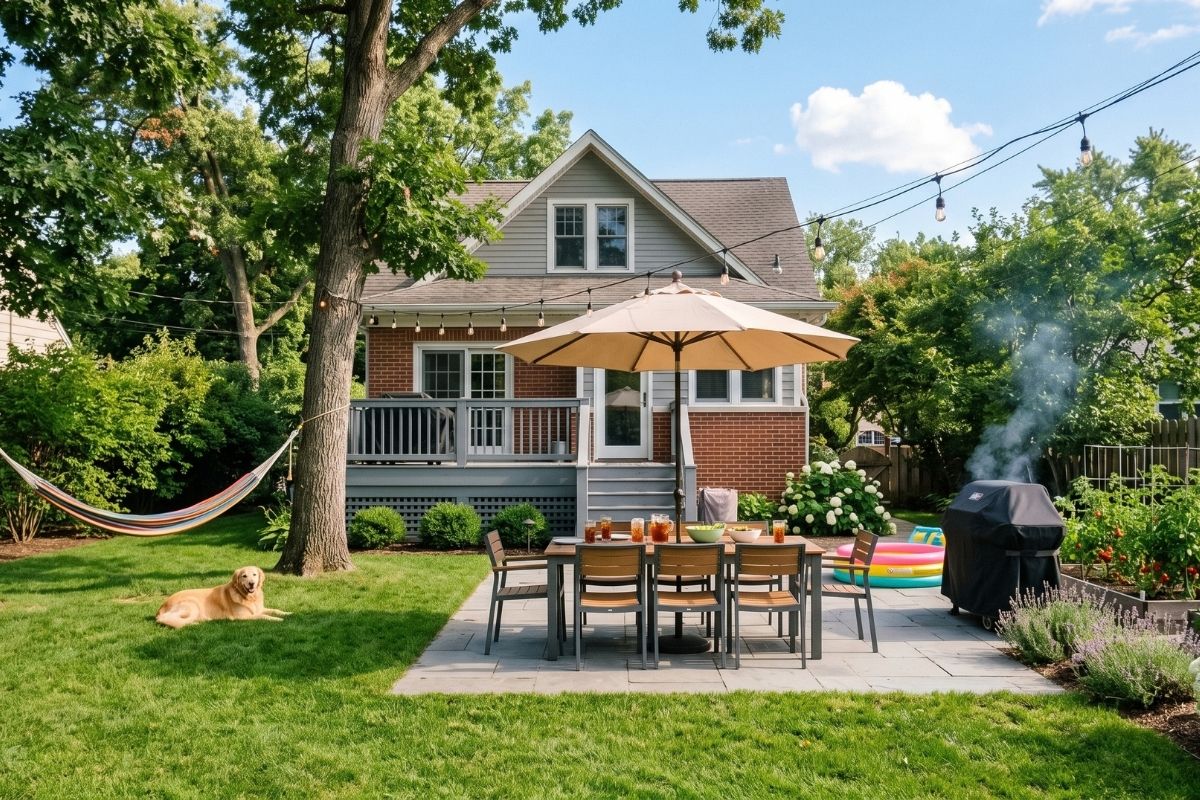
Great outdoor spaces start with a simple map. Sketch cooking, eating, and relaxing zones, then link them with a straight or gently curving path.
A design platform’s trends study found many homeowners are targeting practical outdoor projects, which lines up with the idea of building in stages. Start with the highest use area and add a small element each season so the yard evolves with you.
On small lots, treat the side yard like a bonus room. A narrow bench, potted herbs, and a string of lights can turn dead space into a weeknight hangout. On bigger lots, break up a long fence with vertical trellises and a vine to soften the line.
A smart exterior plan starts with what you see and touch every day. Fix drainage, seal drafts, brighten entries, and add a few plants for structure. Keep the scope realistic, track before-and-after photos, and your home will look more welcoming while working better in every season.

Share: