

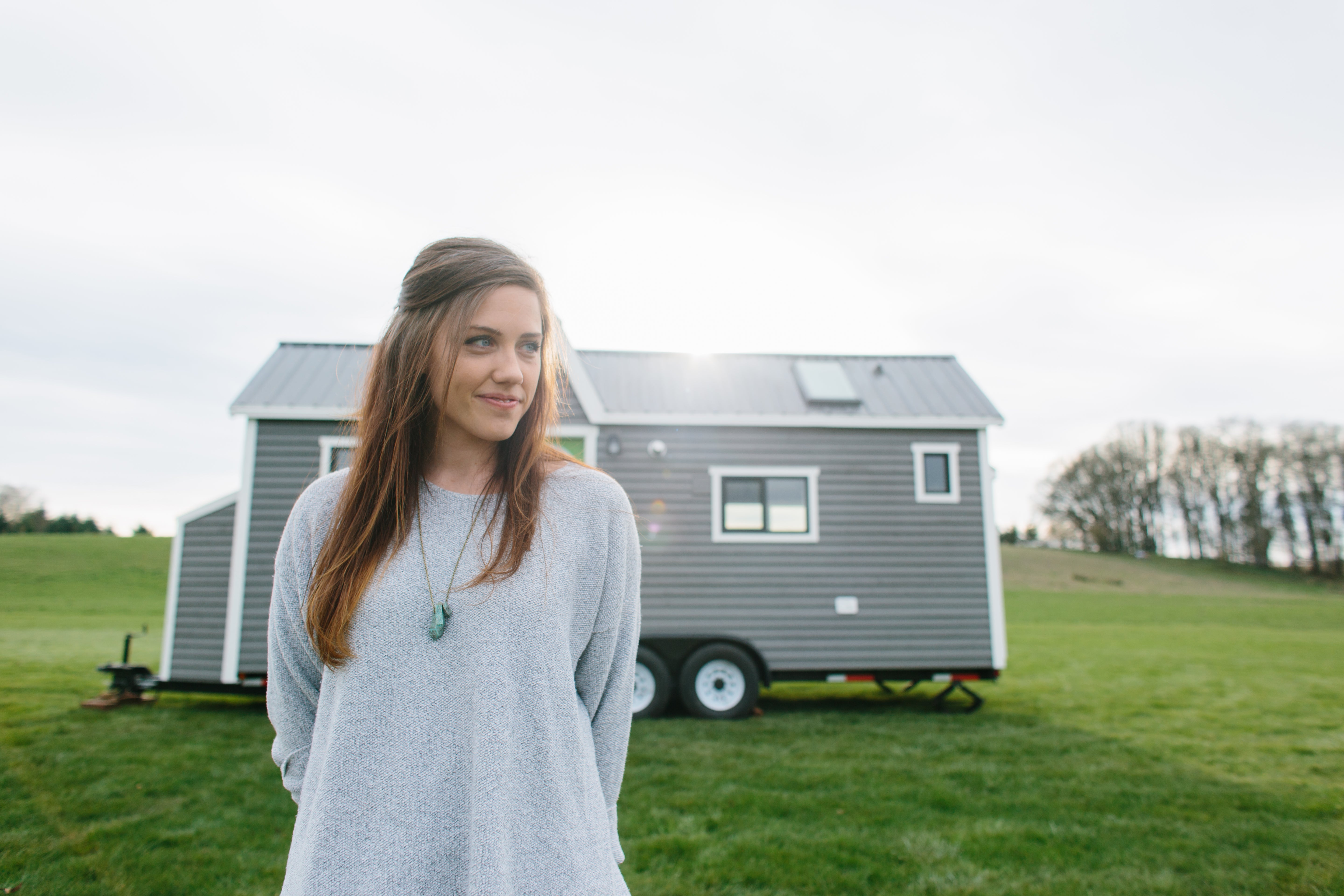
Do you live with people from different generations in the same household? If so, then you are in what we call a multigenerational living home. It is common for multigenerational homes to share spaces with parents, grandparents, and even extended family members like uncles, aunts, and cousins.
In Asia and some parts of Europe, multigenerational living is a well-established tradition. It is a way to fulfill responsibilities toward elderly family members, as well as a way for families to share chores and save costs.
Because of these benefits, this typical asian lifestyle is becoming more popular in Western countries as a way to handle high housing costs, care for family members, and deal with other challenges accompanied by living alone.
As this trend gains more traction in the West, it is important to note that there are several considerations that need to be made, especially on how families must reshape their modern homes to accommodate this kind of living. Owning a large home to fit multigenerational living won’t be enough, but that’s essential, too!
The mixed lifestyle of multigenerational living requires a modern home design, which we’ll explore in this article.

Why Are More Families Living Under One Roof Again?
As mentioned above, families have been living under the same roof for generations in most Asian and some European countries. In western cultures, children remain under their parent’s wing until they are 18 years old. Eastern culture on the other hand, usually lets children stay until they are about to get married.
Furthermore, in Asian cultures, they regularly emphasize collectivism over individualism. This entails that the needs, harmony, and reputation of the family as a unit are prioritised over personal desires.
Now, in Western countries like the United States and Australia, more families are also choosing to live under one roof. Although it isn’t grounded in culture, there is prominent growth, with nearly 1 in 5 people now living in multigenerational households. This trend has increased since the 1970s and reached a record high in 2024, shifting the current cultural norms.
The reason for this is often referred to as the 3 Cs: Connection, Cost, and Care. People are looking to build closer relationships with their multigenerational family through dual living: sharing daily meals, spaces, and conversations.
Furthermore, inflation, elevated costs of living, and increased mortgage rates make it difficult for families to live in separate households. By pooling expenses like rent, utilities, and maintenance, families can save money.
Lastly, care is needed for grandparents and even parents, which is why families bring these older relatives into their homes to provide care rather than utilising expensive assisted living facilities.
This arrangement encourages stronger emotional support systems, allowing family members to rely on one another throughout challenging times. Shared responsibilities around childcare, household tasks, and transportation further strengthen cooperation within the home. Over time, these practical and emotional benefits make multigenerational living an appealing and sustainable lifestyle choice overall.
Redesigning Accessibility
With multigenerational living, accessibility is a must when crafting home layouts. Lifelong usability of a house should be the goal when designing. This means that the house must and could evolve with the needs of household members, especially the elderly.
Step-free entrances improve daily movement for everyone, and not just the elderly. Rooms must have wider spaces for shared use, and bathrooms should feature safety bars, handles, and anti-slip mats to keep people from slipping or falling.
It’s also best to keep essentials in easily accessible cabinets, so shorter family members can reach out to them at any time.
Adapting Floor Plans for Multigenerational Living
Modern home layouts are now adapting to the need for privacy among multigenerational living. After all, despite the nature of generational living, it is still a top priority among each family member. Nowadays, homebuilders don’t employ open floor plans anymore. Instead, they plan private-centric zones to balance the togetherness of a family, while also guaranteeing each tenant’s independence.
Builders do this by considering the distinct bedroom wings that would separate the sleeping zones from the social areas, such as a living room or a patio. Furthermore, for home offices or study areas, they employ sound insulation to ensure the noise from both inside and outside won’t enter and disturb other occupants.
Redesigning Family Homes for Futureproofing

In multigenerational households, parents or grandparents do not immediately require assisted living, but their presence already influences how homes are planned and designed for long-term adaptability. Since these needs may not be urgent, family members could sometimes assume that there is no need to futureproof homes early on. Add that to exuberant costs of upgrades, and it’s easy to see why most households would opt out until later.
While these concerns are valid, modern home design increasingly prioritises early futureproofing to accommodate multigenerational living over time. This saves the family more money in the long run, as prices for upgrades and materials could rise if delayed.
Since families now often include several generations living together, new homes are built to support daily activities like working from home, children’s changing needs as they grow, and caring for family members—all at once.
To accommodate multigenerational living, architects and builders now plan homes with structural readiness that’s suited for assistive technology, including stair lifts, elevator installation, and reinforced walls.
Modern home designs also increasingly integrate smart home infrastructure that facilitates safety monitoring, automation, and long-term access for aging family members. For example, homes may include spacious hallways and wider pathways to key areas like the kitchen and bedrooms to allow room for mobility aids or medical equipment in the future.
Of course, if you can’t afford major home updates right now, you can start by discussing where an elder suite could go in the future. For example, you might plan to turn the guest room into a suite for grandparents if home care is needed later on. If the budget allows, additional features like elevators or accessibility upgrades can also make the home more adaptable over time.
This type of forward-thinking could not only benefit the aging residents of a home but also extend its functional lifespan, making it adaptable for multiple generations and potentially increasing its resale value if the family decides to move in the future.
Traditional homes once focused heavily on individual comfort, almost like private hotel rooms. Today, however, the rise of multigenerational living is encouraging designers to create homes where different generations can share spaces comfortably. For instance, a living room might now host three generations at once, meaning the flow and usability of the space matter more than perfectly matched furniture.
Multigenerational living brings together different ages, needs, and routines. Modern homes are increasingly designed to evolve alongside changing family dynamics. This approach helps ensure that everyone can live harmoniously in a shared home without sacrificing privacy or comfort.
Final Thoughts
As multigenerational households continue to grow worldwide, their influence is incredibly visible in the way modern homes are designed. Not only does this involve getting to spend more quality time with elders, but it also secures financial security for everyone in the house, given the current state of real estate.
As a result, modern home layouts are evolving to balance shared living, accessibility, privacy, and long-term adaptability, making it easier for multiple generations to live together despite their generational differences.
Share: