


If you're considering a shift toward self-sufficiency, off-grid tiny homes might be the solution you need. These compact living spaces offer a sustainable lifestyle, allowing you to harness renewable energy and manage resources efficiently.
By choosing the right tiny home, you can create a comfortable environment that aligns with your eco-conscious values. Curious about the essential steps to make this change? Let’s explore what it really means to embrace off-grid living.
Key Takeaways
-
Off-grid living emphasizes sustainability and self-sufficiency through renewable energy and water conservation practices.
-
Choosing a tiny home involves evaluating design, materials, and budget for optimal energy efficiency.
-
Solar power is essential for off-grid energy solutions, supplemented by wind energy options if feasible.
-
Implement rainwater harvesting and greywater recycling systems to ensure efficient water management.
-
Effective waste management techniques, like composting toilets, promote a sustainable, eco-friendly lifestyle.
Understanding Off-Grid Living: What It Means for You
When you choose to embrace off-grid living, you're stepping into a lifestyle that prioritizes sustainability and self-sufficiency. This means applying sustainability principles in your daily activities, like using renewable energy sources, conserving water, and reducing waste.
You'll need to make some lifestyle adjustments, such as growing your own food, learning basic repairs, and becoming more resourceful. Off-grid living encourages you to connect with nature and understand the impact of your choices.
You’ll find that these changes not only benefit the environment but also promote a simpler, more fulfilling life. Embracing this lifestyle requires commitment and adaptability, but the rewards of independence and a smaller ecological footprint make it a worthwhile journey.

How to Pick the Perfect Tiny Home for Off-Grid Living
Choosing the right tiny home for off-grid living can greatly enhance your self-sufficient lifestyle. Start by evaluating your design features, like insulation and solar panel readiness, which considerably impact energy efficiency.
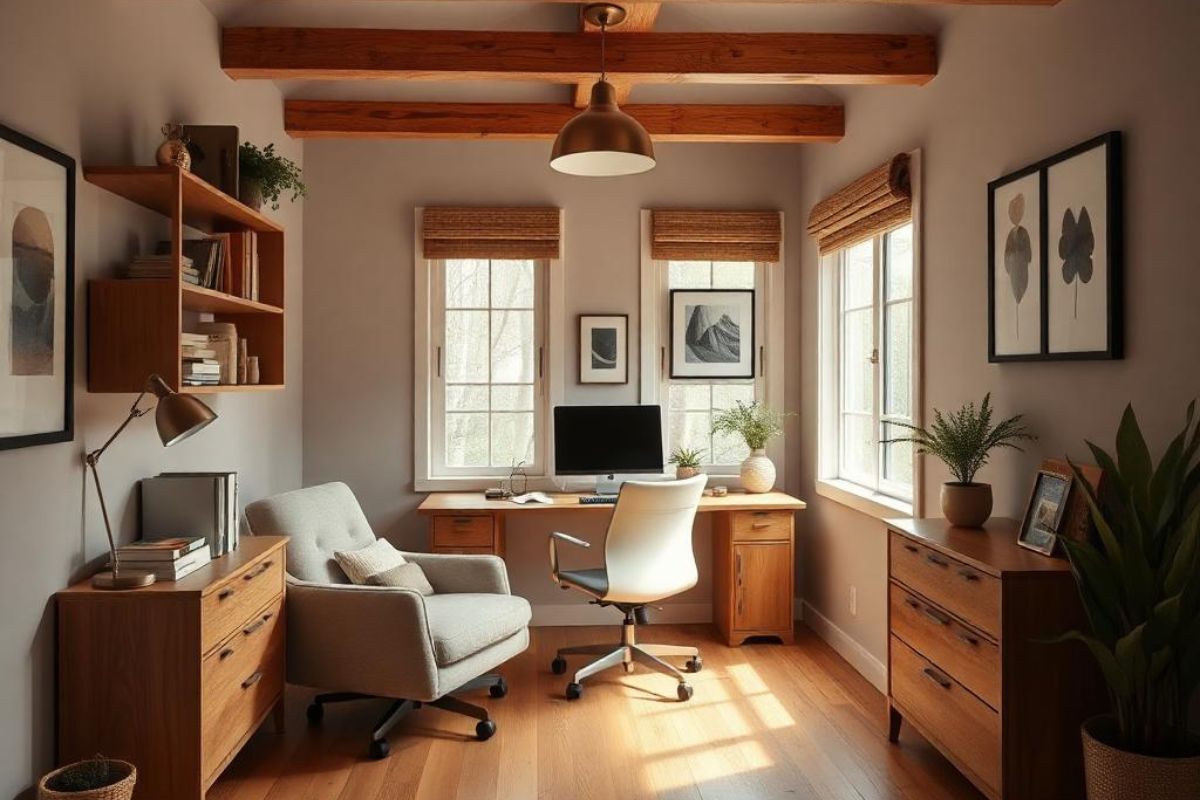
Look for natural materials that promote sustainability and complement the environment. Consider your space needs—will you require a loft for sleeping or a dedicated workspace?
Next, keep budget considerations in mind. Factor in not just the initial purchase price but also long-term costs like maintenance and utilities. A well-thought-out budget will help you prioritize essential features without overspending.
Research various builders or DIY options to find the best fit for your finances and personal style. With careful planning, you can create a tiny home that supports your off-grid ambitions.
Adopt Essential Energy Solutions for Off-Grid Tiny Homes
To thrive in off-grid living, you'll need to adopt essential energy solutions that align with your sustainable lifestyle.
Solar power is a fantastic starting point; installing solar panels on your tiny home can harness the sun’s energy, providing electricity for your daily needs. You can use this clean energy to power appliances, lights, and devices, reducing your carbon footprint.
Additionally, consider incorporating wind energy into your setup. A small wind turbine can complement your solar system, especially in areas with consistent winds.

Water Management for Off-Grid Living
Managing water resources effectively is just as important as harnessing energy in off-grid living. To guarantee sustainability, consider implementing rainwater harvesting systems. By collecting and storing rainwater, you can reduce dependence on external water sources while conserving precious resources.
Install gutters and downspouts to direct rain into storage tanks, making certain you have water for drinking, cooking, and irrigation.
Additionally, greywater recycling can greatly enhance your water management strategy. This involves reusing wastewater from sinks, showers, and washing machines for irrigation or toilet flushing.
Make sure to use eco-friendly soaps and detergents to keep your recycled water safe for plants. By integrating these methods, you’ll create a more self-sufficient, eco-conscious living environment that maximizes your water efficiency.
Effective Waste Management Techniques for Off-Grid Tiny Homes
While living off-grid offers numerous benefits, it also requires thoughtful waste management to maintain a sustainable lifestyle. One effective solution is using composting toilets, which convert human waste into compost, reducing water usage and minimizing environmental impact.
These toilets often require little maintenance and are odor-free when used correctly.
For managing greywater—wastewater from sinks and showers—install a greywater system. This setup allows you to recycle water for irrigation or other non-potable uses, helping you conserve resources.
Verify your greywater system complies with local regulations to avoid contamination.

Finding Your Ideal Location for an Off-Grid Tiny Home
After establishing a solid waste management system, the next step is pinpointing the right location for your off-grid tiny home.
Start by considering land accessibility; you’ll want easy access for both your tiny home and essential supplies. Check the terrain, road conditions, and proximity to utilities, even if you're off-grid.
Don’t forget to research zoning regulations in your desired area. Local laws can greatly impact where you can place your tiny home, including restrictions on size, structure, and usage.
Understanding these regulations early on saves you from potential headaches later.
Finally, think about your lifestyle preferences—proximity to nature, community, or solitude can influence your choice.
Choose wisely for a fulfilling off-grid living experience!
Embracing Minimalism in Your Off-Grid Tiny Home Lifestyle
As you commence your off-grid tiny home journey, embracing minimalism can greatly enhance your experience and connection to nature.
By adopting a minimalist design, you’ll prioritize functionality over excess, creating a serene living space that fosters peace and simplicity. Choose sustainable materials like bamboo, reclaimed wood, or recycled metal to build your home, reflecting your eco-conscious values.
Incorporate multi-functional furniture that serves more than one purpose, maximizing space while reducing clutter. Keep only what’s essential, allowing you to focus on what truly matters—your well-being and the environment.
A minimalist lifestyle encourages you to appreciate the beauty of your surroundings, fostering a deeper connection to the earth while living more sustainably. Embrace this transformative approach, and enjoy a fulfilling, off-grid life.
Conclusion
Embracing off-grid tiny living empowers you to lead a more sustainable and independent lifestyle. By thoughtfully selecting your home, harnessing renewable energy, and managing resources wisely, you can greatly reduce your ecological footprint. With a commitment to minimalism and eco-friendly practices, you’ll find joy in simplicity and a deeper connection to nature. Start your journey today, and enjoy the freedom and fulfillment that comes with living off the grid in your very own tiny home.

Share: