

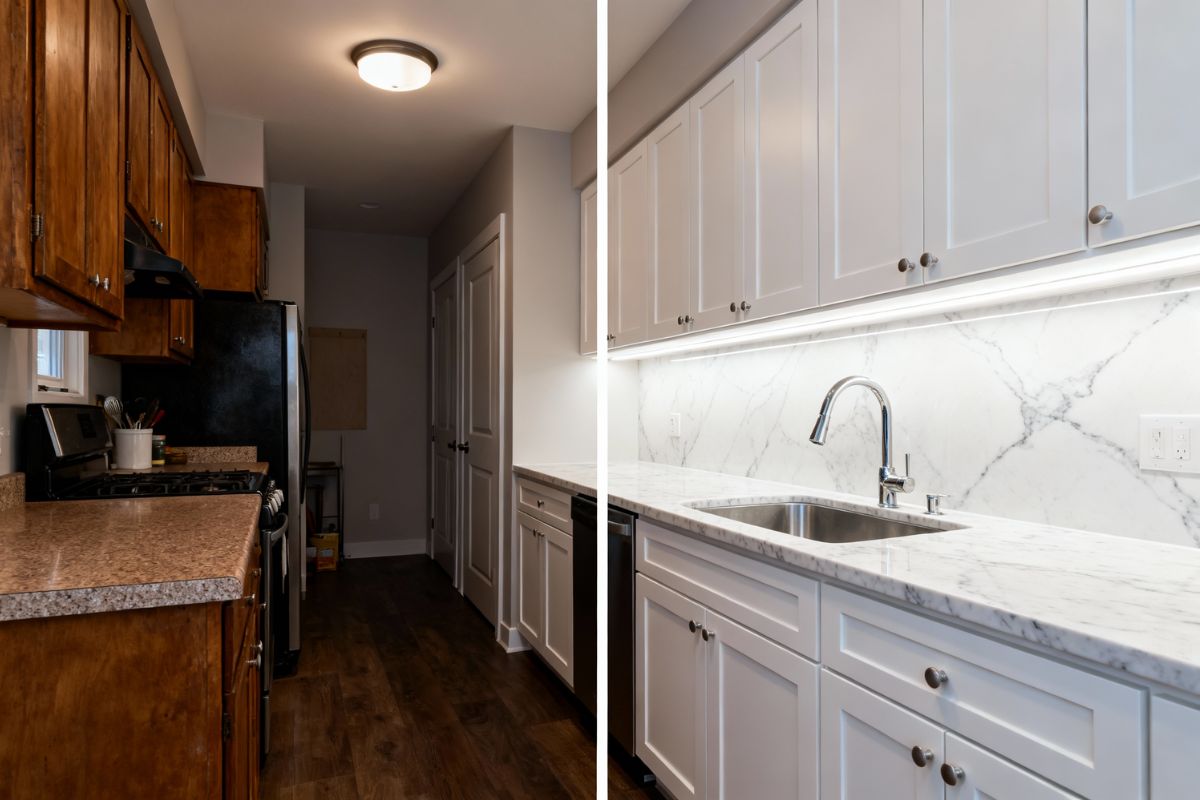
Renovating is almost always messy. In a big house, you have room to spread out. That makes it easier. But it’s different in a smaller home. Every corner feels full. Tools pile up. Furniture crowds walkways. Even a paint job can turn into a trip hazard. All because there’s not enough room.
Remodeling in tight quarters calls for extra care. Safety matters more in small spaces. One misstep on a ladder is all it takes. After that, you’re looking at a painful injury. Planning is key to avoid this. Here’s how renovate a small home safely when space is limited.
Clear the Work Area First
When renovating in a small home, every inch counts. Remodeling means tools. Paint cans. Materials that crowd narrow walkways. Dust from sanding can fill the space. You can’t step around willy-nilly. One misstep, and you knock over a bucket. Or trip on a cord.
Clear the work area first to solve this problem. Move furniture aside. Store loose materials on shelves. Sweep often to reduce dust. This makes moving around easier in tight workspaces. It keeps your steps safe. The space feels calmer. More manageable, too. You can focus on the renovation instead of dodging hazards.
Work in Sections
Trying to tackle everything at once during a renovation is overwhelming. Especially in a smaller home. Materials compete for every inch. Walking paths disappear. Mistakes happen more easily. It’s chaotic everywhere you turn.
Break the work into sections. That way, you keep the project manageable. It allows you to focus on one area at a time. You can organize materials better. Walking paths stay clear. Work flows more smoothly. Most importantly, accidents drop.
Say you’re doing a kitchen remodel. Start with one zone first. Focus on counters before cabinets. Or maybe cabinets before flooring. Complete one section fully before moving to the next. Clean up in between sections. That way, you keep clutter down.
This approach helps you see progress clearly. It also keeps each space functional while renovating. It makes even complicated projects feel achievable in a small home.

Use Compact Tools for Tight Spaces
Large power tools don’t always have a place in small homes. Narrow corridors are tough to work around. Low ceilings make maneuvering awkward. Oversized tools knock into each other. A minor slip can damage your floors. Or leave scratches on beloved cabinets.
Compact tools are a terrific solution. Think short drills. Foldable saws. Cordless hand tools. All these take up less room. Smaller tools let you work precisely in tiny corners. Store them nearby so you can grab them easily without cluttering the floor. This reduces bumps and scrapes. They’ll keep your small-space renovation safe, efficient, and controlled.
Organize Supplies Vertically
Floor space in a small home is precious. Tools and boxes take up every bit of it during a remodel. They make moving around risky. The area feels even smaller when there’s clutter.
One of the best storage solutions for small spaces is to think vertically. Wall shelves free up the floor. Hooks and racks maximize wall space. Keep daily-use items within easy reach. Heavier containers go at the bottom. This opens up walking paths. It reduces tripping hazards. The home feels more spacious. Work moves more easily. Renovating becomes safer all around.

Secure Heavy Items
When a home is small, there’s often no choice but to keep furniture close to work zones. Cabinets sit near walkways. Appliances stay parked in tight corners. During renovation, these items can shift. Vibrations loosen things. A tall shelf can tip. A cabinet door can swing open. Heavy objects falling can cause serious injuries.
Secure heavy items to lower that risk. Anchor tall furniture to the wall. Strap appliances in place. Remove loose shelves before work starts. Keep bulky items away from ladders and walkways. Do this for your safety. For your workers’ safety, too. A stable space creates peace of mind. Everyone can move freely. The project feels safer and less chaotic.
Ensure Proper Lighting
Small homes often hide hazards in plain sight. There are dark corners. Low cabinets. Lofts that create shadows. These can mask things like cords or dropped screws. Step in the wrong place, and you can trip and fall. Poor light slows down the work. It also makes accidents more likely in a cramped space.
The solution? Bring light everywhere you work. Portable LED lamps brighten dark corners. Battery-powered lights reach areas where outlets are scarce. Clamp-on lamps can shine exactly where you need them.
Good lighting lets you see potential hazards before they become problems. It shows every surface. Every hidden tool. It turns a small, shadowy home into a place where you can move freely and work confidently.
Climb Ladders Carefully
Reaching high shelves and ceiling fixtures in a small home is tricky. There’s almost no room to stabilize a ladder. One wobble, and you could hit the wall. A fall in a small space often means hitting something hard. Injuries happen faster in cramped quarters. That means even simple renovation tasks can become dangerous.
Use ladders safely by checking that the floor is stable. Make sure the base has room to rest firmly. Move anything that could get in the way. Have someone spot you if possible.
In the case of a serious fall, especially if contractors are working alongside you, a ladders construction accident lawyer can advise on liability and protections. Proper ladder use keeps everyone working on your home safe.
Take Breaks Frequently

Fixing up small spaces gets exhausting fast. Bending over cabinets tires your back. Crawling under counters strains the knees. Tight corners make everything require extra effort. Fatigue builds quickly.
And you know what happens when you’re too tired? Mistakes. Lots of them. Tools get dropped. Walls get scratched. Floors get scuffed. Accidents become more likely. This is true for you and anyone working with you. Contractors, helpers, or family. You’ll all feel the strain in cramped spaces.
Breaks give everyone a chance to recover. Step away from the work area. Stretch. Walk around. Drink some water. Even a few minutes restores focus. When you return, your movements are sharper. You and your crew notice hazards faster. Work flows more safely. Renovating in a small home becomes much more controlled.
Have an Emergency Exit Plan
Sometimes, during a renovation, you need to leave fast. A small fire can start from a power tool. Thick dust can make breathing hard. Someone can get hurt and need help right away. In a small home, these moments feel intense. Hallways clog up. Staircases slow everyone down. Panic rises fast when space is tight.
Set up an exit plan before the work begins. Walk through your home. Choose a main exit. Pick a backup route. Keep these paths open every day. Talk through the plan with everyone on site. Contractors included. Family, too. If you need to evacuate, people will move with purpose. They’ll know what to do to stay safe. Your small home will become easier to manage even on stressful renovation days.
Conclusion
When you’re renovating, small spaces leave little room for mistakes. One wrong move, and someone could get hurt. So, pull out all the stops to keep your tight space safe. Clear floors make a big difference. Organized tools keep work moving. Proper lighting helps you see every corner. Planning sections keeps accidents at bay.
Using the strategies above changes the feel of your space. Work flows more smoothly. Stress stays low. Accidents happen less often. Your small home can transform safely and beautifully. Careful planning in a tight space can produce big results at the end of your project.

Share: