

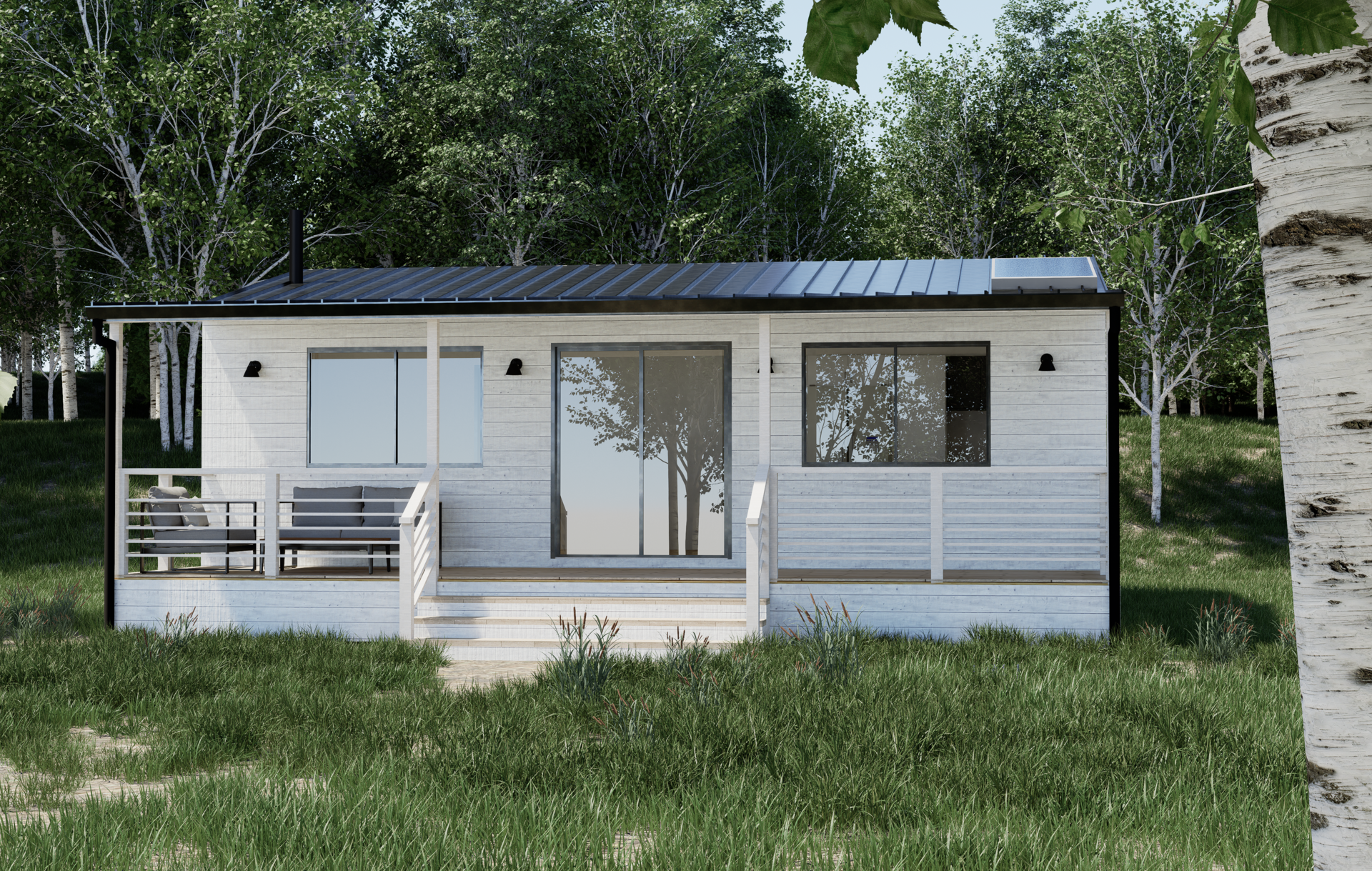
Buying your first home is a significant decision. In recent years, many first-time buyers across North America have begun considering smaller, more affordable housing options. Among these alternatives, buying a tiny home has gained attention as a potential entry point into the real estate market.
For many tiny house buyers, the appeal is clear. A smaller property often means lower purchase costs, reduced maintenance expenses, and fewer long-term financial obligations. However, buying a tiny home is still a property investment that requires careful planning.
Even though the structure may be smaller, the financial, legal, and lifestyle considerations are similar to those involved in purchasing a traditional house. Thus, guidance from a credible real estate agent for buying first home can help clarify zoning regulations, land ownership requirements, and financing options that affect tiny homes.
Understanding the Financial and Legal Foundations of Buying a Tiny Home
Before committing to buying a tiny home, first-time buyers must understand the financial structure behind the purchase. Tiny homes typically measure under 400 square feet and focus on efficient design, lower costs, and simplified living.
They may appear inexpensive compared to traditional houses, but the total cost of ownership includes several components beyond the structure itself.

Budgeting for the Full Cost of a Tiny Home
One of the first steps for tiny house buyers is building a realistic budget. The price of the home itself is only one part of the overall financial picture.
Common expenses involved in buying a tiny home comprise:
-
Construction or purchase cost of the structure
-
Land purchase or land lease fees
-
Utility installation and hookups
-
Permits and zoning compliance costs
-
Transportation or delivery for mobile tiny homes
While tiny homes can cost significantly less than conventional houses, customization, premium materials, and infrastructure installation can increase the total cost.
Many lenders also classify tiny homes differently from traditional houses. Some financing options resemble personal loans rather than standard mortgages. This can affect interest rates and repayment terms.
Working with a credible real estate agent can help buyers identify which financing structures are available in their local market and how lenders view tiny home properties.
Land Ownership and Placement Considerations
One of the most misunderstood aspects of buying a tiny home is where the home can legally be placed. Unlike standard houses, tiny homes are not automatically permitted in every residential area.
Here are important land considerations:
-
Whether the home will be built on a permanent foundation or placed on wheels
-
Local zoning rules regarding minimum home size
-
Community regulations that restrict alternative housing types
-
Availability of tiny home communities or approved developments
Some municipalities treat tiny homes as accessory dwelling units. Others require the home to meet specific building codes.
Because zoning laws vary widely across cities and provinces, many tiny house buyers spend significant time researching land regulations before completing a purchase.

Utility Infrastructure and Living Logistics
Another planning factor involves utilities and infrastructure. A traditional home is typically connected to municipal services automatically, but tiny homes may require alternative solutions.
Utility considerations may consist of:
-
Water supply through municipal connection or well systems
-
Electrical service or solar power installation
-
Wastewater management, such as septic systems
-
Internet connectivity in rural areas
For buyers placing a tiny home on rural land, installation costs can significantly affect the overall budget. These factors should be evaluated early in the planning process to prevent unexpected expenses.
Evaluating Lifestyle Fit and Long-Term Investment Potential
Beyond finances and regulations, tiny house buyers must evaluate whether the lifestyle aligns with their long-term goals. A tiny home can be a practical first property, but it requires thoughtful planning to ensure it remains a good investment.
Lifestyle Compatibility and Space Planning
Living in a small home requires intentional organization and efficient use of space. Before buying a tiny home, one should evaluate how their daily habits will adapt to limited square footage.
The following are key lifestyle considerations:
-
Storage limitations for clothing, equipment, and seasonal items
-
Multi-functional furniture and space-saving design
-
Shared living areas for couples or families
-
Workspace needs for remote employment
Tiny homes rely on built-in storage, loft sleeping areas, and convertible furniture to maximize usability.
Careful planning helps tiny house buyers determine whether the home will comfortably support their daily routines over time.
Resale Value and Market Demand
Another factor worth evaluating is resale potential. Like any property purchase, buying a tiny home should include consideration of future market demand.
A recent housing analysis found that 86 percent of Americans view tiny homes as a viable option for first-time buyers. This reflects growing acceptance of alternative housing models.
While interest in tiny homes continues to grow, resale value can depend heavily on location, zoning regulations, and whether the home is permanently attached to land.
Properties built on permanent foundations behave more like traditional real estate. Mobile tiny homes, on the other hand, may depreciate similarly to recreational vehicles.
Planning for Future Growth
First-time homeowners should also consider how their housing needs might evolve. A tiny home that works well today may become restrictive as life circumstances change.
Situations that may affect long-term suitability involve:
-
Expanding household size
-
Remote work requirements
-
Desire for additional storage or workspace
-
Changes in local zoning policies

Approaching Tiny Home Ownership with Strategy and Clarity
Buying a tiny home as a first property can offer a practical entry point into homeownership for individuals seeking affordability, a good investment, and a simplified living environment.
While the smaller footprint reduces certain costs, the overall decision still involves many of the same planning considerations as purchasing a traditional house. Buyers must carefully evaluate land regulations, financing structures, infrastructure requirements, and long-term usability before committing to the purchase.
Moreover, lifestyle compatibility is crucial in determining whether a tiny home will remain suitable over time. Space limitations, storage capacity, and changing household needs can affect the sustainability of this type of housing for long-term living.
Evaluating these factors early allows buyers to anticipate potential adjustments and determine whether the property can adapt to evolving circumstances. When these considerations are addressed during the planning stage, the decision becomes more strategic.
Because regulations, land requirements, and financing options vary significantly across different regions, having access to reliable local knowledge can be valuable. Understanding zoning rules, property classifications, and development possibilities requires insights that go beyond general research.
For many first-time buyers, coordinating with a credible real estate agent for buying first home can help clarify these complexities, providing a clearer understanding of how a tiny home fits within the broader housing market and long-term property planning.



Share: