

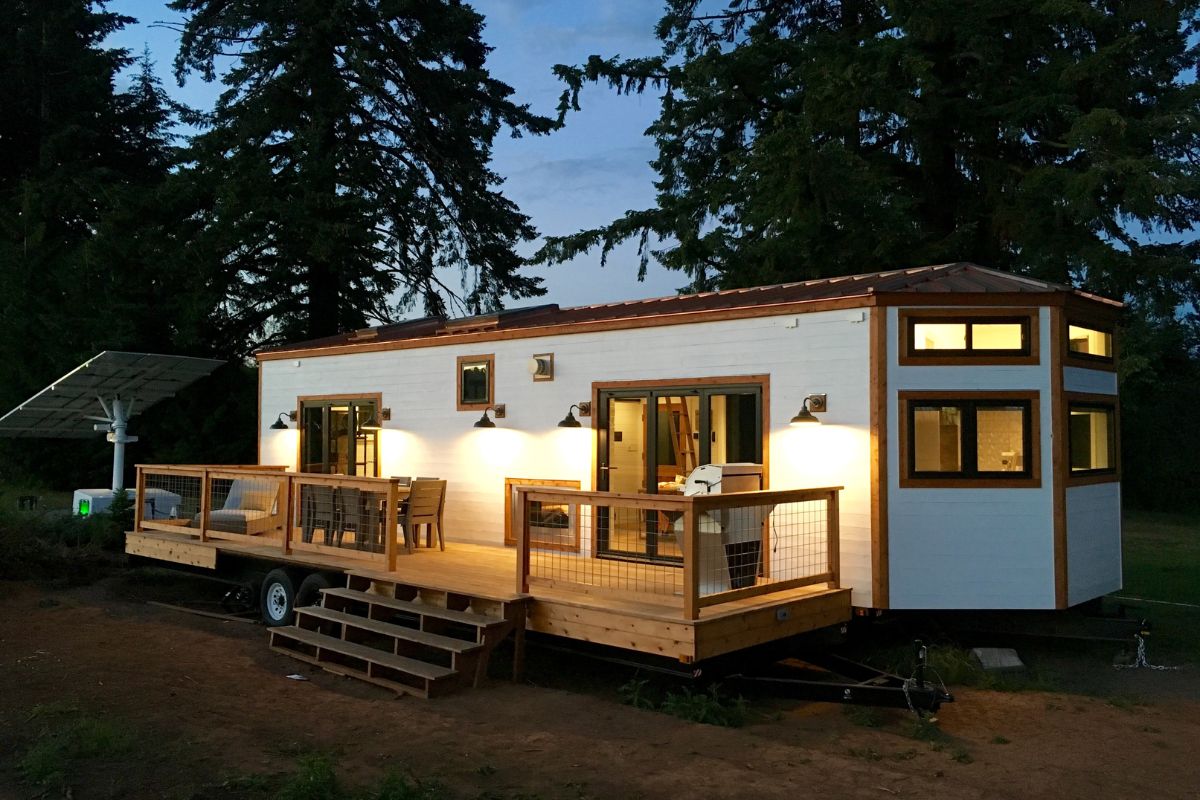
Tiny houses offer a small, simple lifestyle. However, because of their size and design, keeping them warm poses specific challenges.
In cold places like Central Otago, all of this makes it hard to keep a steady, agreeable temperature in winter. How a space is, its arrangement, and its insulation are all very important when you’re picking and fitting heating which will work well.
Even the newest, best heat pumps and water heating systems won’t work properly if those things aren’t considered. Because of the size of tiny houses, heating them requires a plan that focuses on saving power, spreading heat evenly, and using low-heat settings.
The Challenge of Limited Space
The amount of room within a tiny house is what makes it a tiny house. While little rooms get warm quickly, they also cool down quickly; walls, roofs, and windows let heat out almost as fast. Cold winter weather and windy evenings make it hard to keep the heat in.
Many tiny houses have large windows to make the most of daylight. These look good, but they also let a lot of heat out, unless the glass is of a really good standard. Rooms joined together can make one heater seem enough, but if heaters, underfloor heating, or wall heaters aren’t installed in the right places, it’s common for the temperature to vary across different areas.
Not having much room also means you can’t have the kinds of or sizes of heating systems you might otherwise choose. Large boilers or traditional radiator systems are rarely suitable. They instead tend to use small air-to-water heat pumps or low-temperature radiator systems. Systems such as these need to be designed to suit each house's layout and insulation.

Designing for Layout and Zoning
Though tiny homes may only have one or two rooms, zoning remains important. Bedrooms, bathrooms, and living areas each need different amounts of heat; if this isn’t properly planned, some parts of the house will be too warm and others too cold.
Good heat distribution comes from putting radiators or underfloor heating in the right places. Air-to-water heat pumps, systems which offer gentle heat, are good for tiny homes because they give constant warmth without overheating small areas. Correct commissioning sets flow and output across the home, eliminating cold patches and making the heating work as well as it can.
When thinking about heating for small spaces, how things are organised, where furniture goes, and how air moves are also important. Heat sources shouldn’t be blocked by cupboards or screens, and underfloor heating should be planned for rooms with a lot of furniture to keep the temperature even.
The Importance of Insulation and Thermal Retention
Insulation is even more important in a tiny home than in a normal house. A thin wall or a window that lets in a draught can significantly affect how comfortable the home is and how much energy it uses. Tiny homes are frequently built to be light so they can be moved; designers often use light materials, which means the home doesn’t hold on to heat for long.
Filling gaps around doors and windows, installing better insulation in walls and ceilings, and using reflective surfaces or insulated floors all help keep the heat in. Good insulation, which keeps more heat in winter and less out in summer, reduces the demand on the heating system and lets it bring temperatures up and keep them steady, using less energy.
Even small improvements, like draught-proofing or high-performance glass, can lower running costs and, more importantly, improve comfort.

Choosing the Right Heating System for Tiny Homes
Tiny homes work well with heating systems that provide steady, low-temperature heat for space and energy reasons. Air-to-water heat pumps or compact hydronic systems are good, as they:
-
Give out constant heat without big changes in temperature.
-
Deliver comfortable warmth through low-temperature radiators or underfloor circuits
-
Allow zoning in small areas without using too much energy.
-
Can be put in tight spaces without taking up living space.
When you choose a system, you need to consider how much heat the home will lose, which can be calculated using a heat-loss assessment, the size of the emitters, and the flow rates. Professional assessment makes sure the system will work well, even in the coldest weather.
Cold-Weather Performance and System Longevity
Small houses lose heat more quickly during extreme winter conditions. Heating systems must provide a comfortable climate during long, frosty nights or sub-zero periods. Systems which are not the right size, or which haven’t been commissioned correctly, or which don’t have the right emitters, can fail to work, run all the time, wear out quickly, or cause other problems.
Tiny homes have less thermal mass than larger homes. For this reason, it’s very important to balance how much heat the system gives out and the temperature of the water in it. A well-designed system will keep the home at a stable temperature and cut down on starting and stopping, reducing strain and making the equipment last longer.

Practical Tips for Tiny Home Owners
-
Do a heat-loss assessment: Find out how your home loses heat, and choose a system which meets that need.
-
Plan where to put radiators or underfloor heating carefully: Even distribution avoids hot and cold spots.
-
Make insulation and draught-proofing a priority: Well-designed insulation cuts your energy use for heating or cooling, while draught-proofing makes the home more comfortable.
-
Think about low-temperature systems: Air-to-water heat pumps or hydronic systems work well in smaller spaces.
-
Professional commissioning: Ensure flow rates, emitter output, and controls are properly set for your home’s layout.
Taking these things into account will help tiny home owners achieve reliable warmth, maximise energy efficiency, and keep their heating systems running during cold winters.
Conclusion: Make Your Tiny Home Heating Work Year-Round
Effective tiny house heating in cold climates depends on careful consideration of space, layout, insulation, and system design. A small mistake in planning or installation can cause uneven heating, high energy bills, or the system wearing out prematurely.
Assessment and installation by professionals guarantee that your heating unit delivers consistent, efficient heat tailored to the specific needs of your small house. Contact Highlander Heating for expert advice and installation of air-to-water heat pumps, underfloor heating, or whole-system assessments. Our team can help your tiny home stay warm, comfortable, and energy-efficient throughout New Zealand’s coldest winters.


Share: