

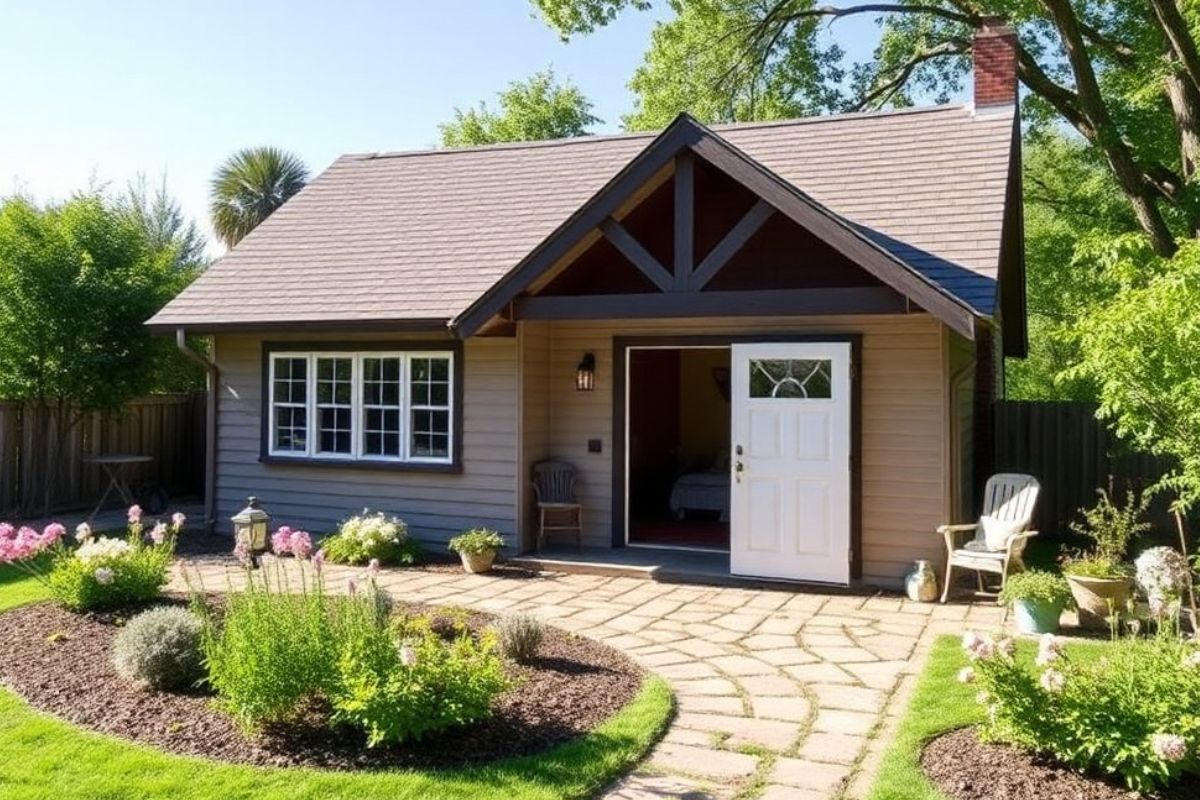
Building your own tiny home sounds thrilling, doesn’t it? Designing every inch of your compact space exactly the way you want is a dream for many tiny house enthusiasts. But before you grab your tools, it’s important to understand the time and legal commitments involved. Even a small, efficiently designed tiny home can take several months to complete, with a simple structure often requiring at least three months from start to finish. While the scale is smaller than a traditional house, careful planning, permits, and attention to detail are just as important—and skipping any step can lead to costly delays.
The financial aspect also needs careful thought. General contractor fees can bump up your total expenses by 15% to 25%. For example, on a $500,000 project, you might pay up to $100,000 just in contractor fees. If that feels steep, it’s why some first-time builders start with smaller footprints. Ultra-compact homes around 144 square feet, for instance, can sometimes be built for $20,000–$25,000—making them a more approachable entry point into the world of tiny living.
But should you take on this project yourself? That depends on your readiness to handle legal issues and accept personal risk. As an owner-builder, you’re legally accountable for every bit of work on your property. Mistakes could result in lawsuits, fines, or expensive repairs, so it’s not a decision to take lightly.
Another factor to consider is the unique appeal of tiny house communities. Many enthusiasts choose small-footprint homes not only to save money but also to join neighborhoods that embrace shared values and communal living. Like larger developments, these communities sometimes have homeowner associations (HOAs) that set rules for exterior aesthetics, maintenance, and shared spaces. Even if you’re building your own tiny house, you may still need to follow these HOA guidelines, so planning ahead is crucial.
Is It Worth It to Build Your Own House: Weighing the Pros and Cons

Owner-builders can save substantial money on their construction projects. The elimination of general contractor markup alone reduces total build costs by 15-25%. To cite an instance, a $500,000 home could yield savings up to $100,000. Direct negotiations with subcontractors and personal material sourcing add to these savings.
Project control becomes a major advantage for owner-builders. They make immediate decisions about design, quality standards, and material selection without intermediaries. This direct involvement results in better customization and personal satisfaction.
The owner-builder path requires a considerable time investment. Construction project management becomes similar to working a part-time job. Money saved can be substantial, but the construction timeline typically extends beyond that of professional contractors.
Lack of experience might get pricey quickly. Construction novices risk hiring subpar subcontractors or missing crucial code requirements. Lenders often hesitate to finance owner-builder projects, which makes securing funds more difficult.
Construction brings unexpected expenses frequently. Land preparation, permits, utility connections, and change orders can quickly diminish predicted savings. Expert advice suggests keeping 5-15% of the budget as contingency for unexpected costs.
These challenges notwithstanding, owner-builders often express deep satisfaction with their experience. They learn valuable lessons while creating their dream home exactly as they imagined.
Time Investment and Project Management Realities
Being an owner-builder means managing your construction project becomes almost a full-time job. About 200,000 American families build homes without a general contractor each year and save an average of 35%. In spite of that, you'll need to spend roughly 1,000 hours planning over six months before construction can even start.
Your main goal becomes scheduling everything properly. You'll need to line up multiple contractors' schedules within your project timeline and handle any conflicts that come up. Most subcontractors stay busy, so you should book them months ahead. The work also depends on others finishing their tasks first, which makes timing everything vital.
Weather poses one of the most important challenges. Studies show weather delays affect 45% of construction projects worldwide every year, adding billions in extra costs. Florida's summer rain can bring foundation work and outdoor jobs to a standstill. The hurricane season from June through November might shut down your entire site.
Managing material deliveries needs careful planning. Your team will waste time moving materials instead of working if you don't watch the schedules closely. The project manager should inspect everything right when it arrives to prevent things from getting pricey later.
You must oversee all construction yourself - the law requires it, and it makes practical sense too. Many owner-builders find it really stressful to balance this responsibility with their regular jobs.
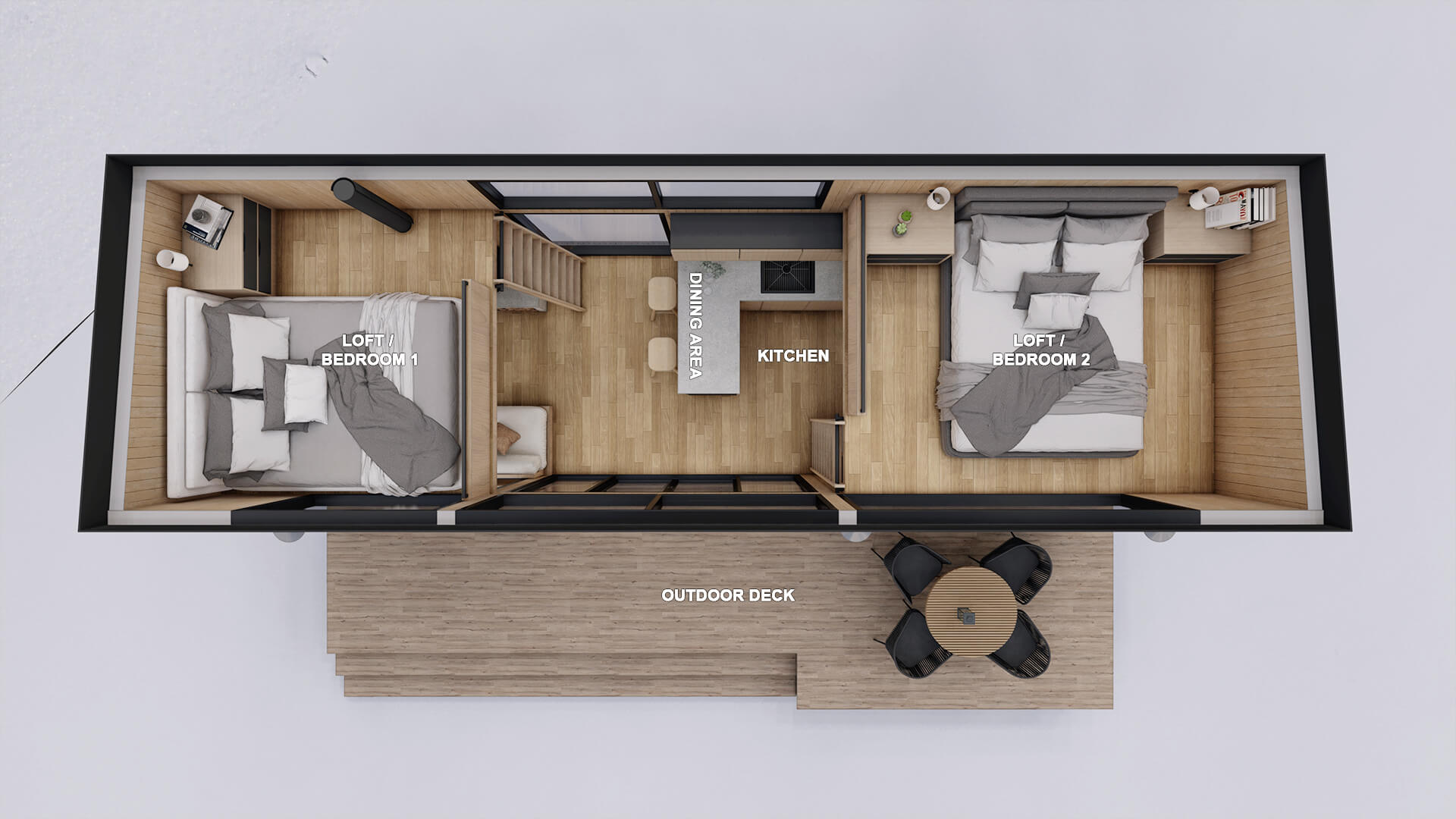
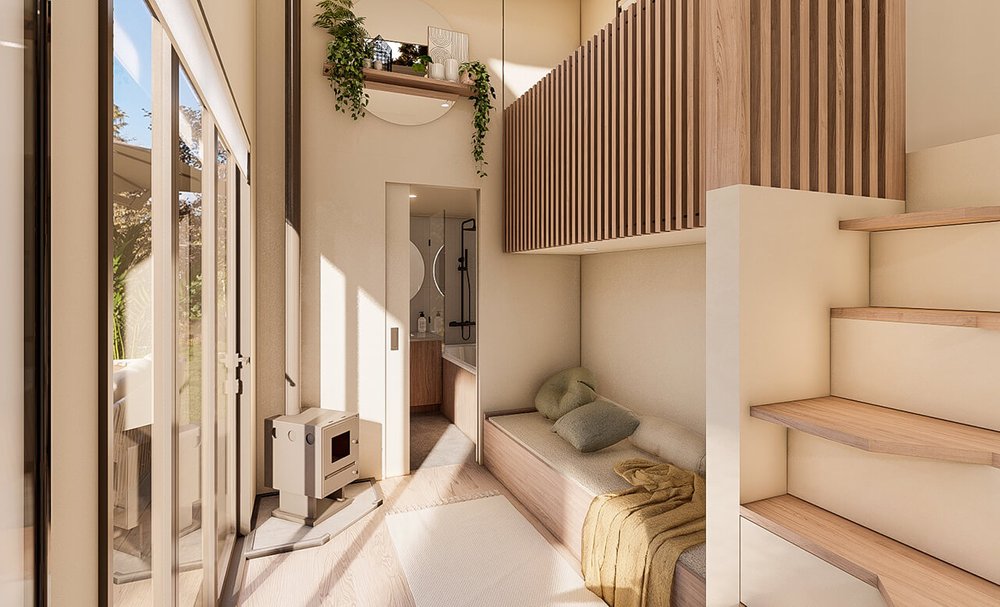
Finishing a tiny home isn’t just about construction—it’s about maximizing every inch of space efficiently. Because tiny homes are so compact, every design decision has a larger impact on functionality and comfort. From multi-purpose furniture to storage solutions hidden in stairs or lofts, careful planning can prevent costly mistakes later. Small errors in measurement or layout may require redoing entire sections, so attention to detail is more important than ever.

Risk Management and Legal Protection for Owner-Builders
Legal responsibilities are the foundations of any owner-builder project. You take full responsibility as an owner-builder for construction quality, workmanship, and building code compliance. Some states can impose penalties up to $82,500 if you have violations.
Insurance protection is a vital part of this process. Requirements also vary by state. Only Texas doesn't require workers’ compensation insurance, so in most places it’s something you’ll need to think through early, especially if anyone is working on site.You need three main policies according to experts:
-
Builder's Risk/Course of Construction: Protects your materials and structure during construction against fire, theft, vandalism, and weather damage
-
General Liability: Covers bodily injury or property damage claims from third parties
-
Workers' Compensation: Costs $254 monthly ($3,054 annually) to protect against worker injuries
Your homeowner's insurance won't cover injuries if you hire unlicensed contractors or workers on your property. You might also need to register with government agencies, withhold taxes, and provide workers' compensation since state and federal law could classify you as an "employer".
Domestic building insurance plays a significant role by covering up to $300,000 for structural defects. The cost typically ranges between 0.5% and 1% of your total build cost.
Your legal safety net throughout the building process should include detailed written contracts with contractors, regular inspections, lien waivers, and proper documentation of any payment withheld.

Conclusion
Building your own house can save you good money. Most owner-builders cut down 15-25% on construction costs, which adds up fast on bigger projects. But these savings come with some real trade-offs.
Time is your biggest challenge right away. You'll spend about 1,000 hours just planning before any actual work begins. The construction then becomes like a part-time job that needs your constant attention. Your patience and organization skills will be tested by weather delays, scheduling workers, and getting materials delivered on time.
You'll need to focus on managing risks throughout the project. When you skip hiring a general contractor, you take on all legal responsibility for everything that happens on your property. This means you must have full insurance coverage - including builder's risk, general liability, and workers' compensation.
Each year, thousands of Americans finish their owner-builder projects successfully. The secret is to know what you're getting into and prepare well. The process takes more time and effort, but the money you save and the satisfaction you get can make it worth your while if you have the right skills and attitude.
The choice to become an owner-builder needs careful thought. Your ability to handle legal requirements, manage time, and take on personal risk will show if the savings are worth the responsibility. If you're ready to take on these challenges, building your dream home exactly how you want it could be worth the effort.
Finally, tiny house owners often find themselves balancing individuality with community expectations. Even if your home is custom-built, neighbors or HOA rules can influence things like exterior colors, landscaping, and additions such as decks or porches. While these rules might feel restrictive, they help maintain the visual harmony of the neighborhood and protect property values. Understanding and respecting these requirements ahead of time can save stress while allowing you to enjoy your tiny home to its fullest.
Share: