


College towns around the globe are no different in dealing with a problem that has become more common than ever before.
How to accommodate a student population without overburdening infrastructure and pricing them in a location where they are no longer a reality in terms of affording available choices in academic institutions that are expanding their student enrollment and bringing in more international students from around the globe.
For instance, the rising rent, scarcity, and the length of time involved have influenced the need for an inclusive solution. However, the tiny houses appear to provide a solution as an alternative form of accommodation, particularly for students.
A Housing Market That Students Must Actively Navigate
Finding accommodation is no longer as simple an exercise for students as some are used to. Beyond the first year, the vast majority are asked to look beyond university housing and participate in the open or closing competition that usually accompanies the area dominated by private or built-for-purpose accommodation providers.
Students often find themselves:
-
Comparing multiple housing types with varying price points
-
Balancing Proximity to the Campus and Affordability
-
Comparing the listings between platforms and locations
For example: In cities like Minneapolis, navigating student housing often involves making considered decisions, whether that means living in a shared apartment or opting for compact rooms. As part of this process, students actively look for affordable student housing in Minneapolis that balance cost, comfort, and proximity to campus.
Why Affordability Is the Defining Issue
One of the largest living expenses for the student is the housing cost. This expense often represents one of the largest shares of the student’s budget. Conventional student accommodations are costly to develop and sustain, and the costs are often shifted directly to the student in the form of higher rent and utility charges.
Tiny houses challenge this model by design:
-
Smaller footprints save on the costs of building and the building materials
-
Energy-efficient designs reduce monthly bills
-
Maintaining a low level of upkeep helps to keep costs steady
For young individuals who have to contend with payments like tuition, academics, and living expenses, compact living arrangements provide a financially savvy way to go independent, especially in collegiate areas where housing inflation has accelerated compared to wage growth.

Making Better Use of Scarce Urban Land
College cities tend to have limited developable land near campus cores. Historic neighborhoods, zoning restrictions, and community resistance often make large-scale apartment construction difficult.
Tiny houses offer a more adaptable solution by:
-
Fitting onto small or irregular plots of land
-
Supporting infill development in existing neighborhoods
-
Allowing clustered layouts that increase density without height
This makes them particularly well-suited to urban college environments where demand remains high, but space is limited.
Designed Around Student Lifestyles
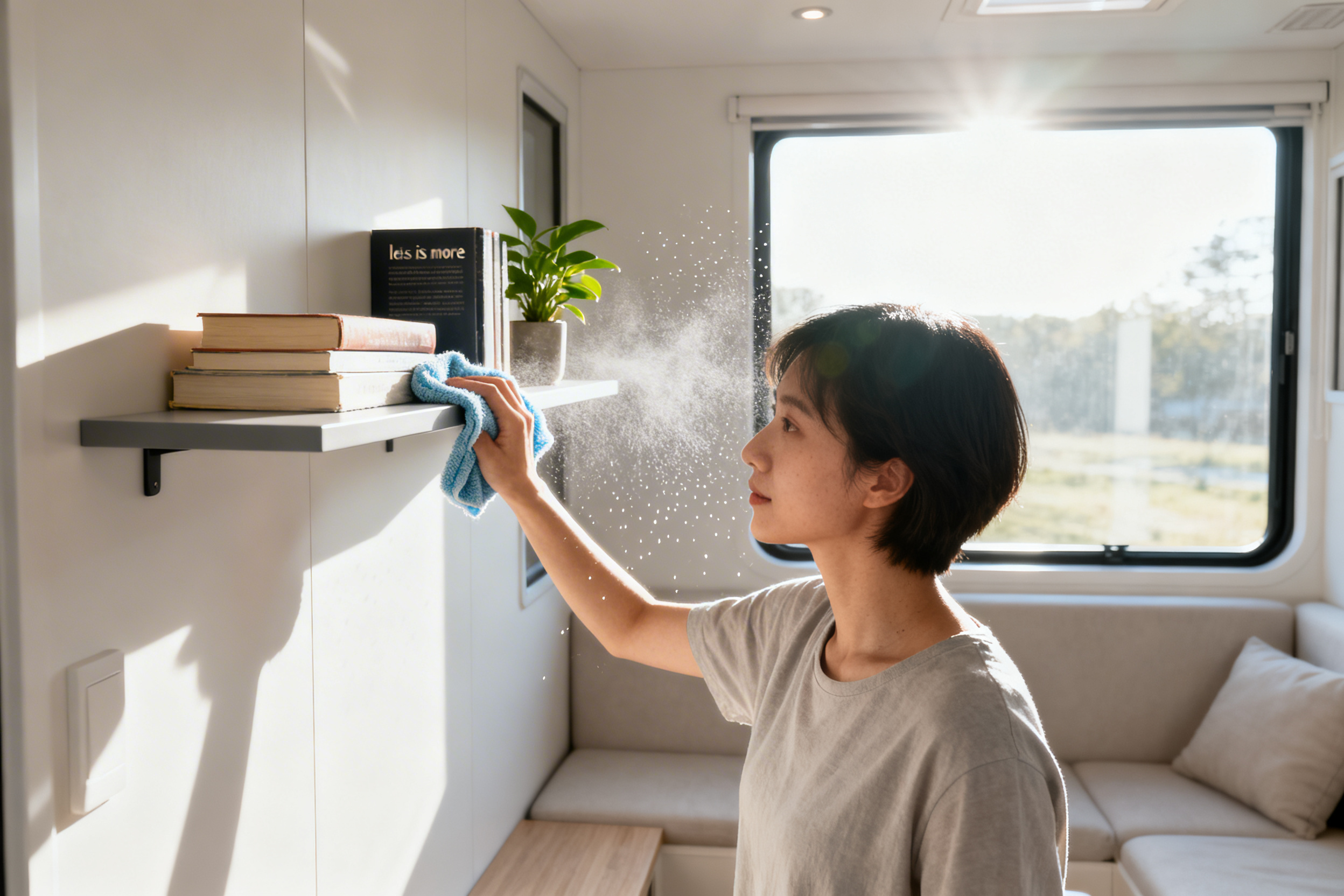
Instead of needing excess square footage, they necessarily need private, comfortable, functionally appropriate, private, and comfortable spaces that correlate with academics, and tiny homes are designed to function in such a way.
Typical features are:
-
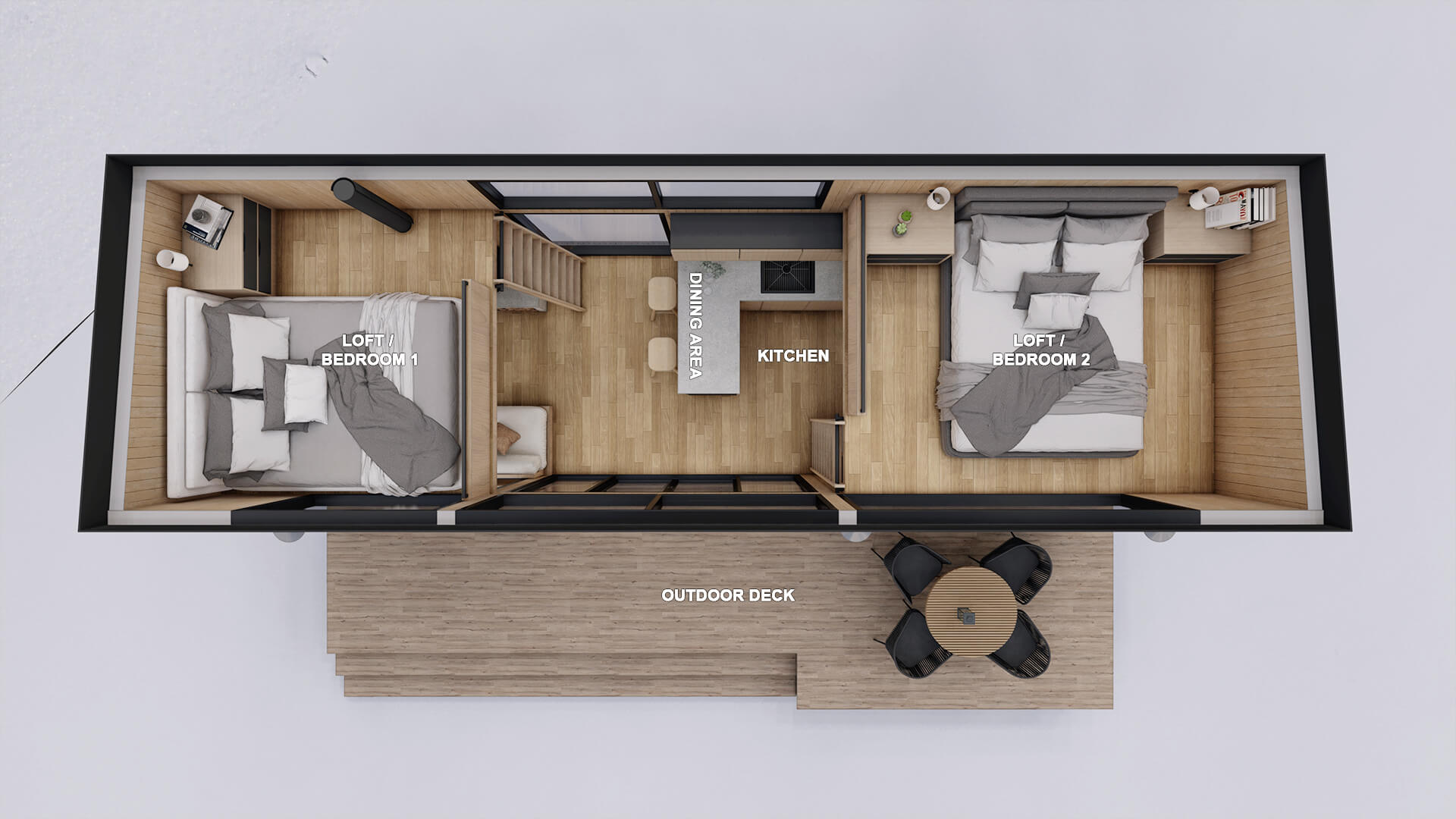
Lofted sleeping areas
-
Built-in desks and storage
-
Flexible Furniture that Meets the Needs of Studying and Relaxing
For a student whose days are largely defined by time spent within the college walls, a smaller home can offer the best of both worlds in terms of both independence and value.

Sustainability That Feels Practical, Not Performative
Sustainability is an increasingly important concept that is also important to students as well as institutions. Tiny houses are also environmentally friendly, as they promote sustainable living by using energy in a sustainable way.
These may include:
-
Lower energy requirements for heating and cooling
-
Reduced water consumption
-
Compatibility of renewable energy systems
Beyond the environmental aspect of these housing designs, the focus on more intentional living is something that hits the core of student value for the year.
Faster Housing for a Fast-Changing Student Population
Unlike other traditional housing projects that take years to plan and deliver, tiny houses, especially modular ones, can deliver results faster.
This allows:
-
Quicker responses to enrollment surges
-
Incremental expansion without large upfront risk
-
Pilot housing models that can scale if successful
Speed and flexibility are crucial in college cities, where housing demand can shift dramatically from one academic year to the next.
Community Without the Downsides of Density
Tiny house developments often prioritise human-scale design. Clustered communities can include shared outdoor spaces, pathways, and common amenities without creating the congestion typical of large apartment blocks.
This approach:
-
Encourages social interaction
-
Reduces isolation
-
Integrates more naturally into college neighborhoods
This balance, between privacy and community, is especially useful for students transitioning into living independently.

A Long-term Lead in Student Housing Strategy
Tiny houses can't substitute for dorms or apartments, but they fill a critical gap between the two. They serve students in need of independence sans high rent and cities needing flexible housing options sans disruptive development.
With their continued growth, college cities find tiny houses as scalable, adaptable, and student-centered options for housing that fit both the urban realities and student expectations.
Conclusion
Tiny houses make sense in college cities because they respond directly to how students are living, studying, and seeking housing today. They solve problems of affordability, constrained land, sustainability, and flexibility without sacrificing comfort or community.
As students stand their ground against an increasingly complex housing market, compact and well-designed housing options-like tiny houses-can make more livable, accessible, and resilient college cities.
About author
Bhavna.S is a storyteller at heart who loves weaving words into engaging narratives. When not writing, she can be found sipping chai while lost in a book, taking long walks to clear her mind, or planning her next travel adventure - only to end up binge-watching a documentary instead.
Share: