


Commercial leasing can make or break an investment property. A building may look strong on a listing page, but the lease terms, tenant quality, location, maintenance obligations, financing structure, and market demand determine whether it actually performs.
Smart investors do not view commercial space solely as square footage. They look at how that space supports business operations, cash flow, future resale value, and the wider real estate portfolio.
The same investment principles also apply to the growing tiny house market. Investors exploring tiny house communities, short-term rental parks, mixed-use developments, or tiny home retail spaces are increasingly using commercial leasing strategies to improve cash flow and long-term property value.
Whether leasing land for tiny homes, operating vacation rentals, or developing small-scale lifestyle communities, understanding tenant demand, maintenance costs, and lease structures has become just as important in the tiny house industry as it is in traditional commercial real estate.
That is why investors reviewing Calgary opportunities often compare market data, property value, lease structures, and advisory support such as Paramount’s leasing and investment services. Paramount Real Estate describes itself as a Calgary commercial real estate advisory firm focused on office, industrial, and retail spaces, with expertise in leasing, site selection, acquisition, disposition, property management, and project coordination.
Commercial real estate investors start with market demand
The first question is not “Is this property available?” It is “Who needs this space, and why?”
Market demand determines leasing depth. A retail unit near strong foot traffic may attract different tenants than an industrial bay with access to major routes. Office space may depend on employee commuting patterns, hybrid work policies, parking, building quality, and nearby amenities. Land or redevelopment assets may depend on future planning, zoning, and growth in the surrounding area.
In the Calgary commercial real estate market, investors should assess demand by property type, location, tenant profile, and competing supply. Paramount’s site separates property searches by industrial, retail, office, commercial, and available properties, reflecting how different each leasing category can be.
A good leasing opportunity has a clear reason for demand. A better one has demand from more than one type of business.

Lease structures show how durable the cash flow is
Cash flow is only useful when the lease behind it is understood. Rent roll summaries can look clean while hiding weak renewal rights, short lease terms, unclear maintenance responsibilities, or tenant improvement obligations that eat into returns.
Smart investors review:
-
Base rent, additional rent, and escalation clauses.
-
Lease expiry dates and renewal options.
-
Tenant improvement allowances and landlord work.
-
Maintenance, repairs, insurance, and tax responsibilities.
-
Assignment and subletting rights.
-
Default provisions and security deposits.
-
Vacancy assumptions if a tenant leaves.
Lease structures also affect financing. Lenders may view a property differently if income depends on one tenant with a short remaining term versus several tenants with staggered expiries.
Investors should also consider the legal aspects of commercial leasing arrangements, including contract terms, tenant obligations, and regulatory requirements. Working with professionals who can help your company with real estate law needs can provide valuable guidance when reviewing agreements, structuring transactions, and reducing potential legal risks throughout the investment process.
Mortgage payments, interest rates, and refinancing risk must all be tested against the lease schedule.
This is where the leasing strategy becomes asset management. The goal is not to fill a building at any price. The goal is to structure income in a way that protects value.
The right location depends on the tenant’s business operations
Location remains one of the strongest drivers of commercial real estate performance, but “right location” means different things to different tenants.
A logistics business may care about loading, ceiling height, yard access, turning radius, and routes. A retail tenant may care about visibility, parking, signage, neighboring tenants, and customer habits. An office user may care about transit, building image, employee access, and nearby services. A company looking for new space may also weigh whether the location can support the business’s growth over several years.
Investors should assess the property through the eyes of the tenant. Can the space support daily operations? Can equipment move in and out efficiently? Are employees likely to use the office? Will customers find the location convenient? Are improvements needed before the space can be leased?
A property that meets real business needs is easier to lease, renew, and sell.
Tiny house developments benefit from smart leasing strategies
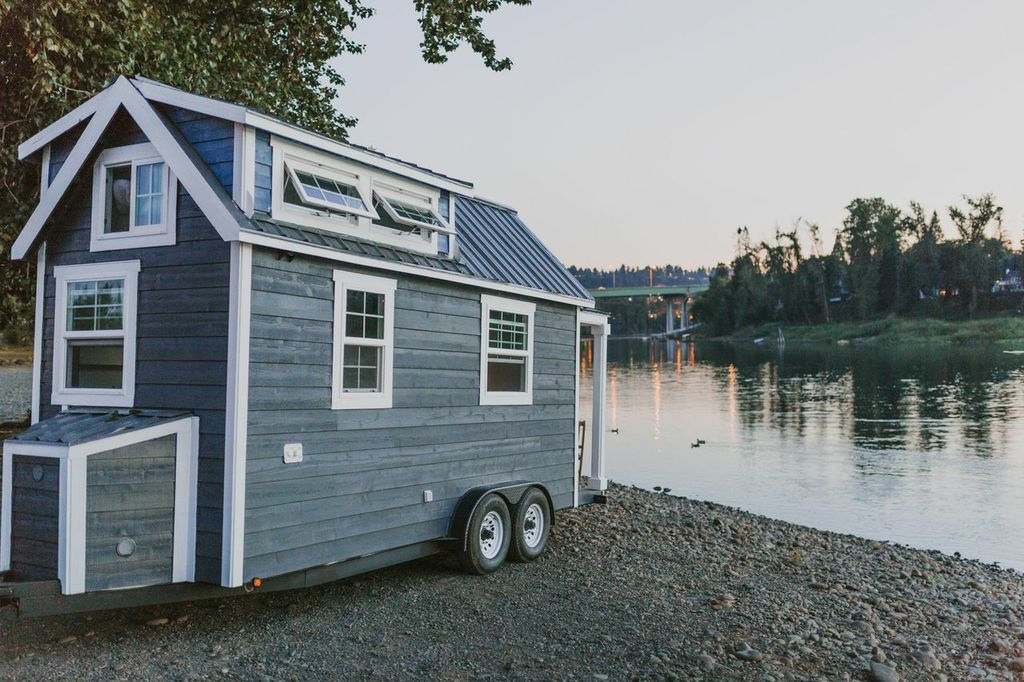
Tiny house investments are no longer limited to single backyard units or off-grid cabins. Many investors are now developing tiny house villages, eco-retreats, glamping properties, and mixed-use communities that rely on strong leasing models to stay profitable.
For tiny house developments, location can influence everything from occupancy rates to resale value. Properties near outdoor recreation areas, tourist destinations, or growing suburban markets often attract travelers, digital nomads, retirees, and minimalist homeowners looking for affordable alternatives to traditional housing.

Investors should also evaluate zoning regulations, utility access, road accessibility, parking, and the long-term flexibility of the land. Some tiny house communities operate on nightly rental models, while others use long-term land leases or lease-to-own agreements. The most successful projects are designed around how residents or guests actually want to live, work, and travel.
Just like commercial tenants, tiny house residents value convenience, functionality, and community. A well-planned property with reliable infrastructure and thoughtful amenities is typically easier to lease, manage, and expand over time.
Maintenance and capital costs change the investment case
Many commercial properties fail the numbers because investors underestimate building costs. Rent may cover mortgage payments on paper, but maintenance, repairs, upgrades, and tenant improvements can reduce returns quickly.
Before purchase, investors should review the roof, HVAC systems, electrical capacity, loading areas, parking surfaces, elevators, fire systems, exterior envelope, signage, drainage, and accessibility. Industrial and retail assets may also carry equipment, environmental, or operational issues that require closer review.
Property management matters here. Paramount’s property management page lists services such as lease renewals, budgeting, building operations and repairs, on-site inspections, vendor management, leasehold improvements, landlord-tenant communication, and tenant relations. Those functions are not background administration. They help maintain property value and portfolio performance after the purchase.
The strongest investors budget before the repair happens. They do not let surprise capital costs decide the return.
This is especially important for tiny house communities and small-scale rental developments, where shared utilities, septic systems, landscaping, road maintenance, and outdoor amenities can significantly affect operating costs. Investors entering the tiny house market should budget carefully for infrastructure improvements and long-term maintenance rather than focusing only on the initial cost of the units themselves.
Smart investors assess tenant quality, not only rent

High rent from the wrong tenant can be riskier than moderate rent from a stable operator. Tenant quality affects cash flow, building condition, lender confidence, and future sale value.
Investors should consider the tenant’s business, operating history, use of space, lease performance, creditworthiness (where available), and fit with the building. For multi-tenant properties, they should also consider the tenant mix. A retail centre, for example, can lose value if tenants compete poorly with one another or fail to bring traffic to the site.
The best commercial leasing opportunities usually balance income with resilience. They have tenants who use the space well, pay on time, and have a reason to stay.
Portfolio fit is as important as individual property appeal
A single commercial property may look attractive, but investors still need to ask how it fits the portfolio. Does it add too much exposure to one sector, tenant, location, or lease expiry window? Does it improve diversification? Does it require more management than the investor can realistically provide?
Real estate portfolio management is about more than buying assets. It is the process of deciding which properties to purchase, hold, improve, refinance, lease, or sell. Smart investors use each deal to strengthen the portfolio, not distract from it.
For example, an entrepreneur may invest in a commercial property to support their business operations. A private investor may prefer stable rent from a low-maintenance asset. A larger organization may look for value-add opportunities where improvements, leasing, and asset management can increase returns over time.
The right strategy depends on budget, time horizon, risk tolerance, financing, and the ability to manage the property after closing.
Market trends matter, but the numbers still have to work
Commercial real estate market trends can point investors in the right direction, but they should not replace deal-level research. Interest rates, construction costs, tenant demand, office utilization, retail spending, industrial vacancy, and financing conditions all shape market dynamics.
Still, every property has its own facts. Two buildings on the same street can perform differently because of layout, parking, maintenance history, lease terms, improvements, tenant mix, and management quality.
Smart investors use market research to ask better questions. They want detailed information, not broad optimism. What rent is realistic? How long could the space sit vacant? What improvements would a tenant expect? How would a rate change affect returns? What happens if the strongest tenant leaves?
The goal is not to predict the future perfectly. It is to make informed decisions with enough margin for the future to be imperfect.
Commercial leasing opportunities reward disciplined planning
What smart investors look for in commercial leasing opportunities is not complicated, but it does require discipline. They look for market demand, a strong location, practical lease structures, stable cash flow, manageable maintenance costs, tenant quality, financing that holds up under pressure, and a clear fit within the broader portfolio.
The best opportunities are not always the flashiest buildings. They are the properties where leasing, operations, costs, and long-term value work together. In commercial real estate, success rarely comes from buying space and hoping the market lifts it. It comes from understanding how that space will be used, managed, leased, improved, and eventually sold.
That is the difference between owning a commercial property and building an investment that performs.
As alternative housing continues to grow in popularity, many investors are beginning to view tiny house projects as part of a broader real estate investment strategy. The same fundamentals that drive successful commercial leasing — strong demand, efficient operations, practical lease structures, and sustainable long-term management — can also help tiny house developments generate stable returns and lasting value.

Share: