

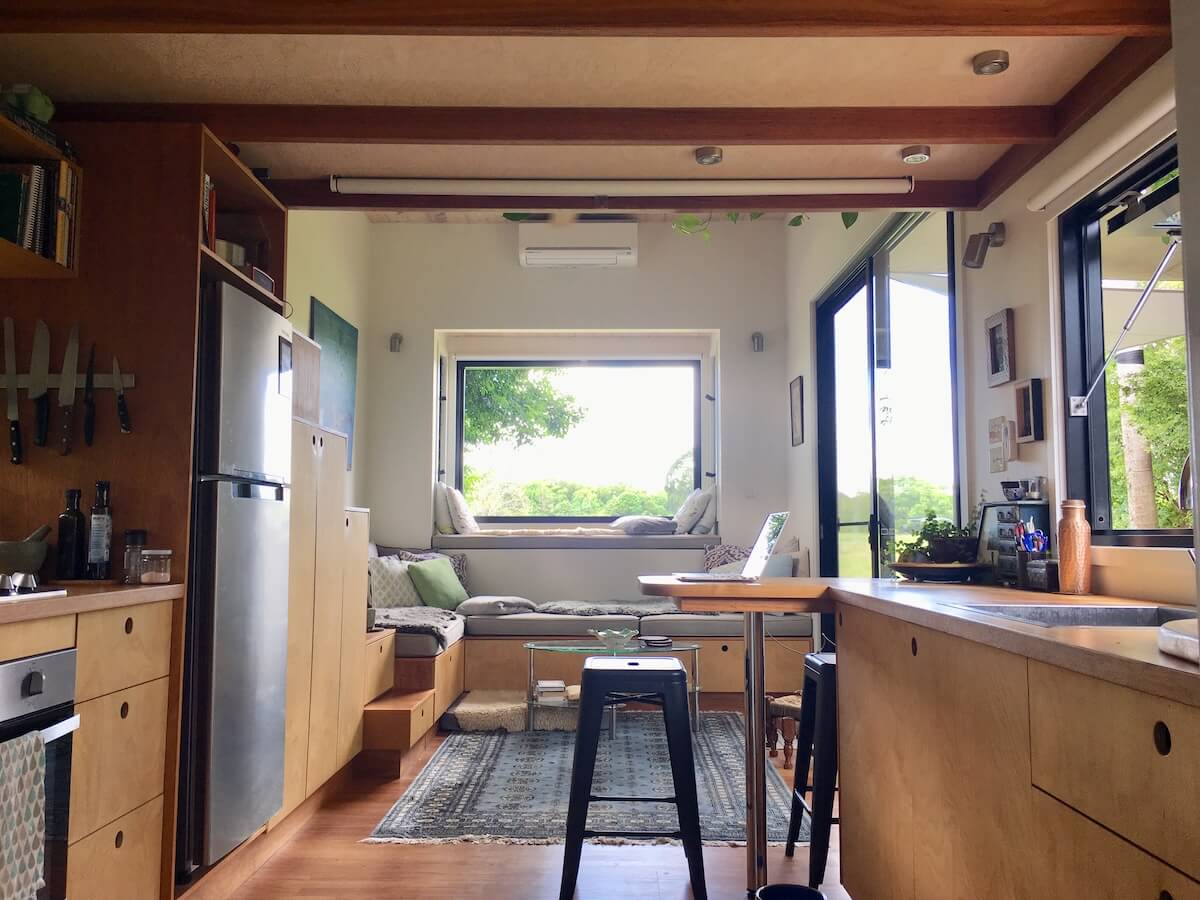
Living in a tiny house across New Zealand has become more than a trend. It's a lifestyle choice driven by affordability, sustainability, and a desire for simpler living. But when you're settled into 20 to 35 square meters of carefully designed space, often in rural areas where land is more affordable, everyday tasks like grocery shopping take on a whole new dimension.
One solution that's gaining traction among New Zealand's tiny house community is ordering meat online, and the reasons go far beyond mere convenience.
The Reality of Rural Tiny House Living
Many Kiwi tiny house dwellers have discovered that finding affordable land means moving away from urban centers. While this offers peace, privacy, and lower property costs, it also means distance from amenities. Rural communities typically have most essentials like groceries, doctors, and schools, but choices remain limited compared to bigger towns and cities. The nearest quality butcher shop might be 30 minutes away or more, and frequent trips into town become time-consuming and costly, especially with rising fuel prices.
This geographical reality makes online meat delivery services particularly appealing. An online Butcher like The Meat Box delivers restaurant-quality cuts directly to your door, eliminating the need for regular trips to distant shops. For those living in remote areas of Northland, the Hokianga, or rural Canterbury, this service transforms meal planning from a logistical challenge into a simple online transaction.

Freezer Space Limitations Drive Smart Shopping
The compact nature of tiny house living means every appliance must earn its space. Most tiny house dwellers opt for under-counter refrigerators or apartment-sized models, typically ranging from 4.4 to 7.5 cubic feet. These compact units can hold enough fresh food for about one and a half to two weeks, but freezer space is notoriously limited. Some tiny house owners even choose portable fridge-freezer units that fit under kitchen cabinets, maximizing their limited square footage.
This space constraint actually makes bulk meat ordering more practical. Food stored continuously at 0°F can be kept indefinitely according to government food safety guidelines, though quality is best when used within recommended timeframes. Online butchers typically deliver vacuum-sealed portions in insulated packaging, which fits efficiently into small freezer compartments and maintains freshness during storage.
Economic Advantages of Buying in Bulk
Tiny house living often appeals to those seeking financial freedom from large mortgages and high living costs. Approximately 58% of tiny house dwellers in New Zealand are aged 45 and above, many looking to downsize and reduce expenses. For single parents, retirees, and young professionals, every dollar counts.
Ordering meat online in bulk quantities offers significant savings compared to purchasing individual cuts at premium prices from local shops. Many online butchers provide mixed meat boxes designed for couples or small families, offering better value per kilogram than retail purchases. When you factor in fuel costs and time spent traveling to distant butchers, the economic case for online ordering becomes even stronger.
Quality and Variety You Can't Find Locally
Small rural towns may have a local butcher, but selection is often limited to basics. Online meat delivery services provide access to specialty cuts, free-range options, and premium quality products that simply aren't available in remote areas. Whether you're looking for grass-fed beef, organic lamb, or specialty sausages, online platforms offer variety that rivals urban butcher shops.
The quality of meat delivered by online services has improved dramatically. Companies like The Meat Box work with local farmers to source fresh, high-quality New Zealand meat. Products arrive in stay-chilled boxes with ice packs, maintaining freshness during transport. Customer reviews consistently praise the quality, with many noting the meat exceeds supermarket standards.
Meal Planning Made Practical
Multi-purpose furniture is essential in tiny house design, and the same principle applies to food storage. Ordering meat online encourages intentional meal planning. When you receive a curated box of various cuts, you're motivated to plan meals around what you have rather than making impulse purchases.
This approach reduces food waste, a key consideration when fridge space is limited. Many tiny house dwellers report that smaller fridges naturally lead to eating fresher food and wasting less. Ordering meat every few weeks creates a rhythm of meal planning that aligns perfectly with the minimalist tiny house philosophy.
Supporting Sustainable Food Systems
The tiny house movement often intersects with environmental consciousness. Living in a smaller footprint means reduced energy consumption, and many tiny house owners extend this sustainability mindset to food choices. Online butchers frequently offer information about farming practices, animal welfare, and sourcing transparency that's harder to verify in supermarket meat sections.
Direct-from-farm delivery models also reduce the environmental impact of multiple supply chain steps. Rather than meat traveling from farm to processing plant to distribution center to supermarket to your home, online services often work with fewer intermediaries. For environmentally minded Kiwis living tiny, this shortened supply chain aligns with their values.
The Time Factor
Time is a precious commodity for anyone, but for tiny house dwellers who may be balancing remote work, property maintenance, and potentially longer commutes, saving time matters. Ordering meat online eliminates hours spent driving to and from shops, browsing selections, and queuing at checkouts.
Most online butchers allow you to set up regular deliveries or reorder favorite items with just a few clicks. This convenience factor cannot be overstated, especially during busy seasons or harsh weather when traveling rural roads becomes challenging.
Food Safety and Storage Confidence
Understanding proper food storage is crucial when space is limited. Meat properly frozen maintains both safety and quality for extended periods. According to research published through the National Institutes of Health, frozen storage at standard temperatures preserves meat quality effectively, particularly when products are vacuum-sealed and handled correctly.
Online meat delivery services provide products already portioned and packaged for optimal freezer storage. Each item typically includes labeling with cut information and date details, making inventory management in a small freezer straightforward. This professional packaging helps tiny house dwellers maximize their limited freezer space while maintaining food safety standards.

Building Community Through Shared Deliveries
Some tiny house communities have embraced a creative solution to online meat ordering: shared deliveries. When several tiny house dwellers live in proximity, they coordinate orders to split delivery costs and even share bulk boxes. This community approach not only saves money but strengthens social connections among neighbors who've chosen alternative living arrangements.
The Future of Tiny House Food Solutions
As New Zealand's tiny house movement continues growing, particularly with upcoming granny flat reforms set to change the landscape in 2026, online food delivery services are adapting. More providers are offering flexible order sizes suitable for one or two people, recognizing that tiny house dwellers don't need family-sized bulk quantities but still want the convenience and quality of home delivery.
The marriage of tiny house living and online meat delivery represents a practical solution to real challenges. It's not about luxury or laziness; it's about smart resource management, time efficiency, and accessing quality food despite geographical limitations. For Kiwis who've chosen to live large in small spaces, ordering meat online is simply one more way to make tiny house living work beautifully.

Share: