

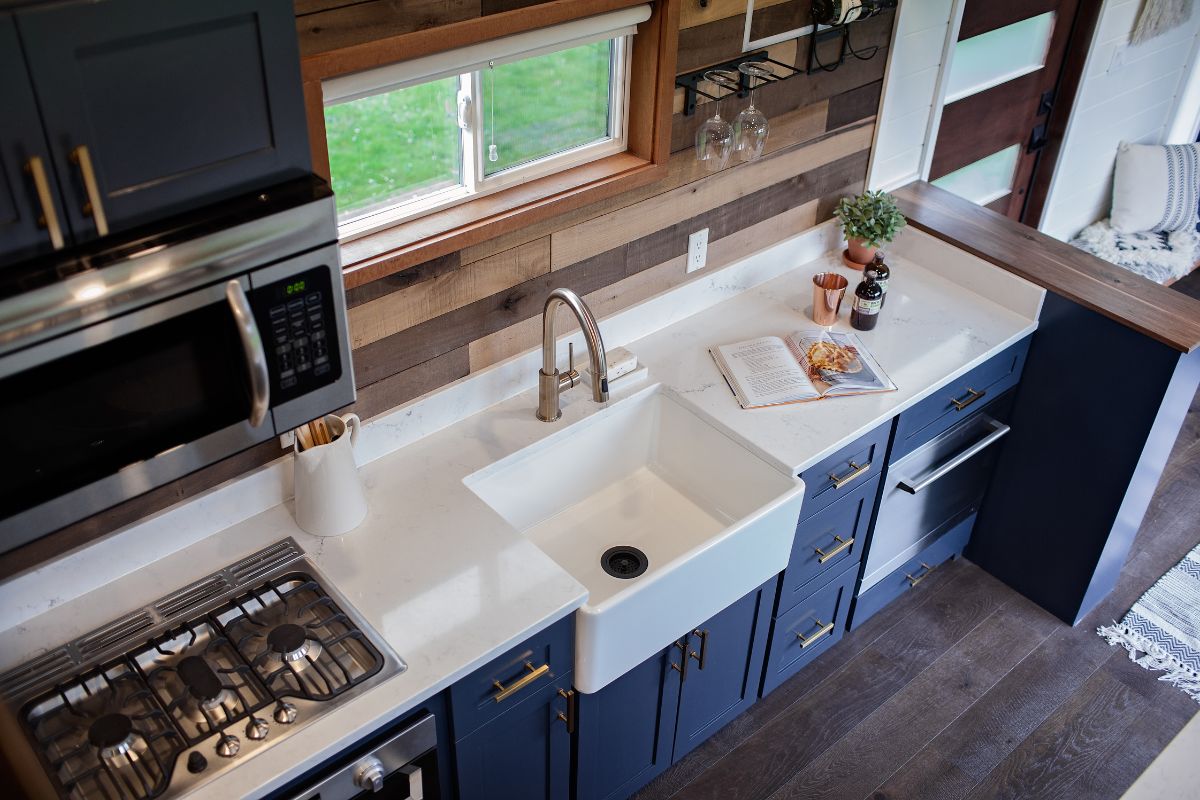
Tiny house plumbing requires careful planning, efficient layouts, and tools that can handle tight working spaces. Builders and contractors often work inside narrow wall cavities, compact utility sections, loft areas, and under-counter plumbing zones where large equipment becomes difficult to manage. A press tool for copper pipes helps installers complete plumbing work more efficiently while maintaining secure and consistent fitting pressure in confined areas. Many professionals now prioritize portability, pipe compatibility, and comfortable handling because these features greatly improve workflow inside small living spaces.
Tiny homes also commonly combine multiple plumbing materials within a single build. Copper lines may be used for exposed kitchen or bathroom plumbing, while PEX tubing is installed behind walls and beneath flooring. Portable press systems help installers transition quickly between different fitting types without slowing down the project. Better flexibility supports faster tiny house construction and cleaner plumbing layouts.
Why Lightweight Plumbing Equipment Is Becoming More Common
Heavy plumbing tools can slow movement across larger job sites. Contractors often carry equipment through staircases, utility rooms, and narrow hallways during the day. Lightweight crimping systems reduce physical strain during these tasks and improve mobility between installation points. This becomes useful during apartment renovations and commercial maintenance work.
Portable tools also improve balance during overhead pipe fitting. Ceiling mounted water lines require stable positioning during pressing and crimping. Smaller equipment helps installers maintain better control in these situations. Cleaner positioning often supports more accurate pipe connections.

Best Ways to Handle Multi Material Plumbing Systems
Many plumbing projects now combine copper and PEX materials within the same system. Copper pipes are often used near exposed plumbing sections while PEX tubing is installed inside walls and flooring areas. A dual head pex crimper helps installers manage these systems without carrying separate tools for every fitting type. Faster adjustments improve workflow during large projects.
Using multiple pipe materials also requires consistent connection quality. Contractors usually look for tools that support stable pressing force across different fitting sizes. Reliable pressure helps reduce uneven crimps during installation work. Better consistency supports cleaner water line performance later.
How Portable Crimpers Help During Emergency Repairs
Emergency plumbing repairs often happen in difficult work environments. Water leaks may occur behind cabinets, under sinks, or inside utility spaces with limited movement. Portable crimpers help repair technicians reach these areas without removing large sections of surrounding material. Faster access can help simplify repair work.
Compact tools also reduce setup time during urgent maintenance jobs. Installers can carry lightweight equipment directly into the repair area and begin fitting work more quickly. This becomes useful when handling damaged pipe sections in occupied buildings. Better mobility supports smoother repair tasks.
Top Reasons Contractors Prefer Copper Press Fittings
Copper press fittings help reduce installation complexity during active plumbing projects. Many contractors prefer these systems because they remove the need for open flame connection methods. This improves comfort during indoor installations and reduces extra preparation around finished walls and flooring. Cleaner fitting methods also support neater work areas.
Another reason contractors choose copper press systems is connection consistency. Powered pressing tools apply steady force around the fitting, which helps reduce uneven sealing pressure. Reliable fitting quality becomes important during commercial plumbing projects with high water demand. Consistent pressure also supports long term system stability.

Why Dual Head Systems Improve Work Speed
A dual head pex crimper allows installers to switch between common fitting sizes more quickly during installation work. This helps reduce interruptions when moving through larger plumbing systems with mixed pipe dimensions. Contractors can continue working without stopping to replace separate heads repeatedly. Faster transitions improve overall project organization.
Dual head systems also reduce the amount of equipment crews carry around the job site. Fewer tools help simplify movement between work areas. This becomes useful during multi room plumbing installations where installers constantly change locations. Better efficiency helps crews maintain steady progress.
Common Installation Errors That Affect Pipe Connections
Improper pipe preparation is one of the most common fitting mistakes during plumbing work. Rough pipe edges or debris around the connection area may affect fitting stability after pressing. Installers should inspect the pipe carefully before placing the fitting. Simple preparation steps often improve final connection quality.
Another issue comes from incorrect jaw positioning. Uneven placement may create weak pressure points around the fitting connection. A press tool for copper pipes should always remain stable during operation. Careful alignment helps improve fitting reliability and water flow performance.
Best Storage Habits for Crimping Equipment
Proper storage helps protect crimping tools from dirt and moisture after daily use. Many professionals keep their equipment inside hard carrying cases to reduce damage during transport. Clean storage conditions also help protect moving components from early wear. Better protection supports smoother operation over time.
Battery storage is equally important for powered systems. Batteries should remain in dry environments away from extreme temperatures. Contractors often charge batteries fully before storing them between projects. Good storage habits help maintain reliable performance during future installations.
Why Tool Grip Design Matters During Pipe Work
Grip design affects how comfortably installers can hold and position the crimping tool during long projects. Poor grip support may cause hand strain during repeated fitting work. Many professionals now prefer tools with balanced handles and stable control points. Better grip comfort helps improve movement accuracy.
Comfortable handling also improves positioning around difficult plumbing layouts. Installers often work around wall corners, ceiling sections, and floor mounted systems throughout the day. A stable grip helps maintain steady jaw placement during pressing. Better positioning supports cleaner installation results.

How Portable Tools Support Small Plumbing Businesses
Small plumbing businesses often need equipment that is easy to transport between service calls. Portable crimping systems help technicians carry fewer tools while still handling different fitting jobs efficiently. Compact equipment also fits more easily into work vans and storage compartments. Better portability supports faster preparation before each project.
Portable systems also help reduce physical fatigue during daily travel and installation work. Contractors can move between homes, apartments, and commercial sites with less effort. Lightweight tools improve flexibility during smaller repair projects. This helps crews stay productive throughout the day.
FAQs
What is a press tool for copper pipes used for?
It is used to create secure copper pipe fitting connections during plumbing installation and maintenance work.
Why do contractors use a dual head pex crimper?
A dual head system helps installers switch between fitting sizes more efficiently during projects.
Are portable crimpers useful for repair work?
Yes, portable crimpers improve movement and access during emergency plumbing repairs.
Why are copper press fittings popular in plumbing?
They help create stable connections without using open flame installation methods.
How should crimping tools be stored after use?
They should be cleaned and stored in dry carrying cases to help maintain long term performance.



Share: