

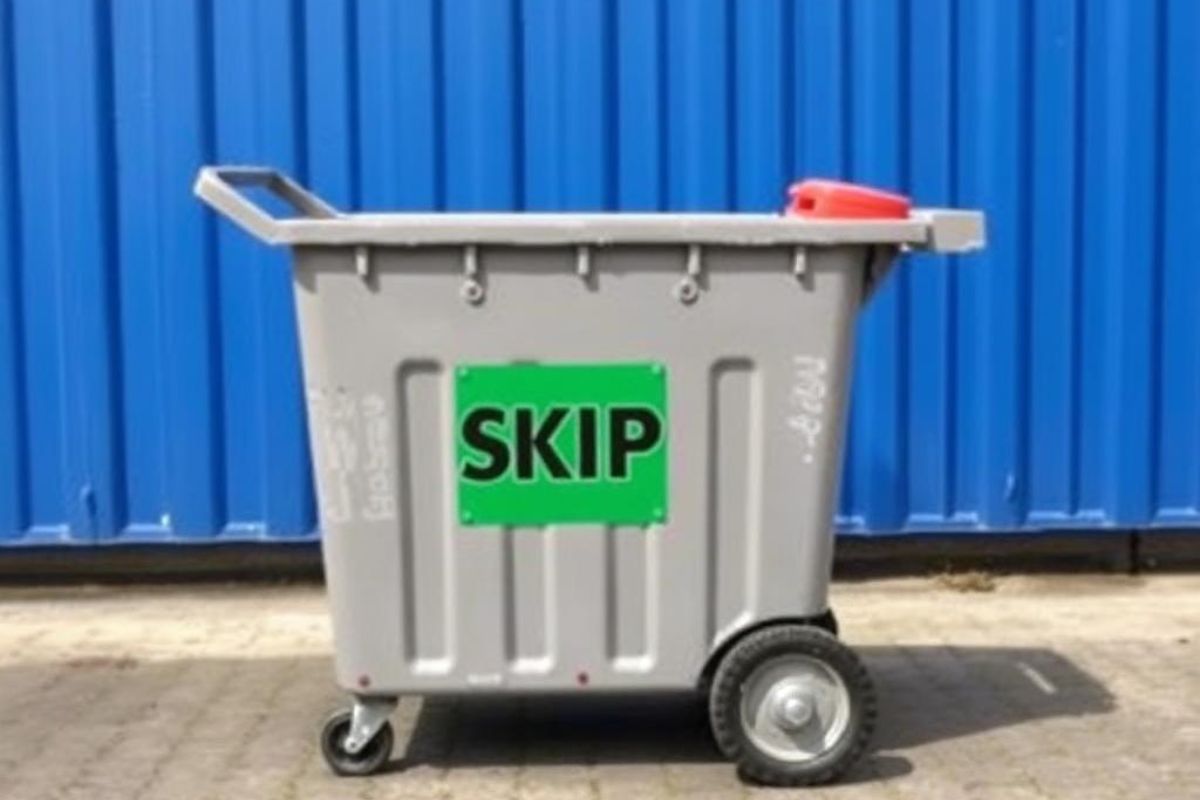
If you are planning a clean-up, renovation, or construction project, skip bins are one of the easiest ways to manage waste. When people search for skip bin hire, the first thing they often notice is that prices can vary quite a bit between providers and job types. That variation is not random. Several practical factors influence how much you will pay.
Knowing what affects skip bin hire costs helps you choose the right bin, avoid hidden fees, and budget more accurately for your project.
Skip Bin Size and Capacity
The size of the skip bin is one of the biggest contributors to cost. Larger bins require more materials, heavier trucks, and higher disposal fees, which naturally pushes prices up.
Small skip bins are commonly used for garden clean-ups or minor household decluttering. These are usually the most affordable option. Medium-sized bins are popular for bathroom or kitchen renovations, while large skip bins are often needed for construction sites, major renovations, or commercial waste.
Choosing a bin that is too small can lead to overflow issues or the need for a second bin, which often costs more than getting the right size from the start.
Type of Waste Being Disposed Of
Not all waste is treated the same, and this has a direct impact on skip bin hire pricing in Perth. General household waste is usually the cheapest to dispose of because it can be processed through standard waste streams.
Green waste, such as garden clippings, branches, and soil, is often priced differently. While some green waste is recycled, heavy loads can increase transport and processing costs.
Mixed waste, which includes a combination of materials like timber, plaster, metal, and household items, tends to be more expensive. Certain waste types require additional sorting and specialised disposal, which is reflected in the price.

Weight Limits and Overload Fees
Most skip bins come with a weight allowance. This allowance is factored into the base price and varies depending on bin size and waste type.
Exceeding the weight limit can result in additional charges. Heavy materials such as bricks, concrete, tiles, and soil can quickly push a bin over its allowance, even if it is not visually full.
Understanding what you plan to put into the bin helps avoid unexpected fees. If you are dealing with heavy materials, it is often better to hire a bin specifically designed for that waste type.
Hire Duration
The length of time you keep the skip bin also affects cost. Many skip bin hire services include a standard hire period, often ranging from three to seven days.
If you need the bin for longer, additional daily charges may apply. Short-term projects that are well planned can keep costs down by returning the bin promptly. Longer projects may benefit from discussing flexible hire options upfront.
Location and Access Requirements

Your location within the metropolitan area can influence pricing. Suburbs further from disposal facilities may incur higher transport costs, which are sometimes passed on to the customer.
Access also matters. If the skip bin needs to be placed in a tight space, on a sloping driveway, or on the road, this can add complexity. Council permits may be required for street placement, adding both time and cost to the hire.
Clear, easy access allows for quicker delivery and collection, which helps keep prices lower.
Type of Skip Bin
The design of the skip bin itself can affect cost. Standard open skip bins are the most common and are generally more affordable.
Marrel bins, which are longer and designed for heavy waste, may be priced differently due to their capacity and handling requirements. Hook bins, typically used on construction sites, also come with higher costs due to specialised trucks and larger volumes.
Choosing the right bin type for your job avoids paying for features you do not need.
Demand and Timing
Like many services, skip bin hire can be affected by demand. Busy periods such as long weekends, public holidays, and peak renovation seasons often see higher prices or reduced availability.
Booking ahead can help secure better rates and a wider choice of bin sizes. Last-minute bookings during busy periods may limit options and increase costs.
Environmental and Disposal Fees

Waste disposal fees charged by transfer stations and landfills play a role in skip bin pricing. These fees can change over time based on regulations, recycling requirements, and environmental policies.
Bins that allow for cleaner waste streams, such as green waste only or metal recycling, can sometimes be cheaper because disposal costs are lower. Mixed waste typically attracts higher fees due to sorting and landfill charges.
Choosing the Right Skip Bin Hire Provider
Price is important, but value matters just as much. For example., reliable skip bin hire provider in Perth will offer clear pricing, explain weight limits, and help you select the right bin for your needs.
Transparent quotes, flexible hire periods, and clear guidelines on what can go into the bin make a big difference to the overall experience.
Final Thoughts on Skip Bin Hire Costs
The cost of skip bin hire depends on more than just the bin itself. Size, waste type, weight limits, hire duration, location, and timing all play a role.
By planning ahead and choosing the right bin for your project, you can manage waste efficiently without unexpected expenses. Skip bins remain one of the most practical and cost-effective waste solutions when the details are handled correctly.


Share: