

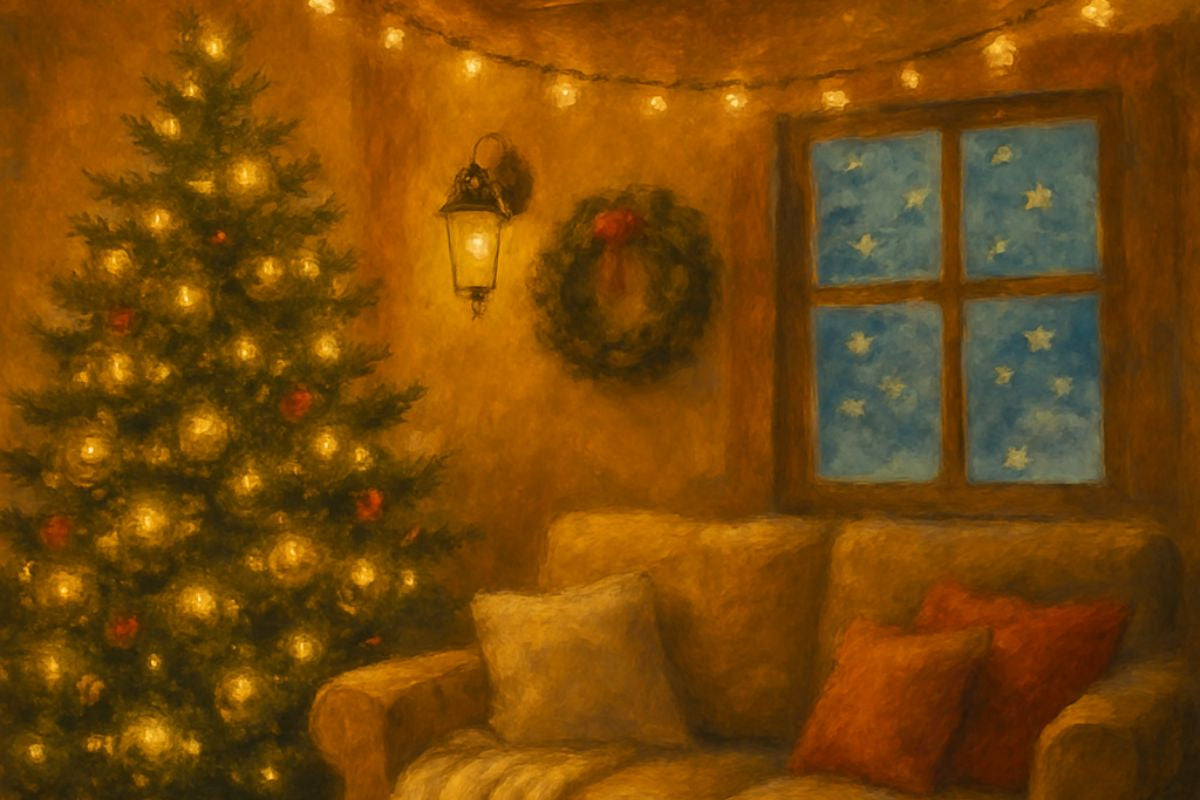
Layer warm ambers (2200–2700K) low—under-cabinet strips, toe-kicks—and float soft whites (3000–3500K) higher via milk-glass sconces or linen pendants. Add dimmable, warm-dim LEDs and zone lighting: low-glow wall sconces for lounging, pivoting micro-lamps for reading, crisp under-cabinet task light.
Bounce glow with mirrors and glossy accents, and favor brass, alabaster, linen, and tight-weave rattan. Clip a tiny LED under window sills, tuck rechargeable pucks behind pottery, and mix taper candles for layered sparkle. There’s more to try.
Key Takeaways
-
Layer warm amber (2200–2700K) low and soft white (3000–3500K) higher to add depth without clutter.
-
Create zones with dimmable, warm-dim LEDs and separate switches for lounge, kitchen, and reading areas.
-
Bounce light with mirrors opposite sources and glossy accents to amplify warmth in tight rooms.
-
Add subtle glow: toe-kick and under-sill LED strips, milk-glass sconces, and linen-shaded pendants with matte diffusers.
-
Weave in nature—frosted pine, dried citrus, stone trays—and candle groupings for cozy, winter-ready ambiance.
Layer Cozy Ambers With Soft Whites for Depth
Although your square footage is small, you can still craft depth by pairing warm amber light with diffused soft white.
Let amber glow from low points—under-cabinet strips, toe-kick channels, shelf recesses—to ground the space with a cozy base tone. Float soft white higher—milk-glass sconces, linen-shaded pendants, frosted globe bulbs—to feather light across walls and ceilings.
Aim for 2200–2700K ambers and 3000–3500K soft whites so hues mingle without clashing. Use matte diffusers to eliminate hotspots; prismatic or opal shades spread light evenly across small surfaces.
Layer fixtures at varied heights to create gentle gradients and flattering shadows. Favor brass, smoked oak, and alabaster finishes for a winter-forward, editorial look. Keep cords concealed and bulbs consistent in CRI (90+) to preserve color fidelity and tactile richness.
Use Dimmable LEDS to Shift From Task to Twilight

Those layered ambers and soft whites come alive when you can tune their intensity. Swap static bulbs for dimmable LEDs and let your tiny house slip elegantly from crisp task light to moody twilight.
Choose warm-dimmable LEDs (2700K down to 1800K) so brightness falls as color temperature deepens—no harsh glare, just candlelike glow. Match bulbs with compatible dimmers; look for flicker-free, low-end trim controls and 95+ CRI for accurate textures and woods.
Install paddle or knob dimmers you can operate by feel, and position them where your hand naturally lands. Prefer smart dimmable lamps for scene recall and voice control, but keep manual control for reliability.
Use frosted globes and deep baffles to soften edges, and aim beams across surfaces to graze grain, not eyes.
Create Lighting Zones in Micro-Spaces
Even in a footprint measured in steps, you can carve out distinct moods by zoning light instead of blasting the whole space. Anchor a lounge zone with a low-glow sconce pair at eye level, aiming light toward walls to soften edges.
Give your kitchenette a crisp wash with an under-cabinet strip that runs the counter’s full span, ending clean at corners. Mark a reading nook with a pivoting micro-lamp you can aim tight, keeping glare off neighboring zones.
Treat vertical layers like tools: ceiling for broad ambiance, mid-height for intimacy, and below-waist for subtle wayfinding. Use warm color temperatures that stay consistent across fixtures so shifts feel seamless.
Put each zone on its own switch or remote, so you can choreograph scenes without visual noise.
Add Texture With Natural Shades and Warm Metals
With your zones set, amplify character by choosing fixtures that carry texture—think rattan drum shades, woven grass pendants, and linen-wrapped diffusers that mellow glare and cast a tactile glow.
Natural fibers add visual depth without bulk, softening LEDs and warming cool winter light. Choose tight weaves over loose ones for cleaner lines in small footprints, and keep silhouettes compact: shallow drums, petite cones, mini bell pendants.
Layer warmth with metals in brushed brass, aged bronze, or champagne gold. These finishes read cozy, not flashy, and pair beautifully with honeyed woods and creamy textiles.
Specify dimmable lamps at 2200–2700K for enveloping warmth, and use slender, fabric-wrapped cords to keep sightlines tidy. Mix one metal family across hardware and fixtures to feel intentional while letting textures lead.
Bounce Light With Mirrors and Reflective Surfaces
When daylight thins, harness mirrored surfaces to multiply every lumen and stretch sightlines. Angle a tall mirror opposite your coziest lamp to kick warm light across the room, softening corners and making ceilings feel higher. Choose antique brass frames or thin black metal to echo your hardware and keep the look cohesive.
Layer reflective accents with intention. A smoked-glass tray on a console amplifies candlelight without glare. Glossy ceramic planters, metallic picture rails, and polished stone coasters catch glints and add depth.
Place a mirror near a window to rebound winter sun deeper inside, but avoid direct glare by canting it slightly. Favor low-iron glass for true color, and clean surfaces often. In a tiny footprint, these luminous echoes create calm, airy volume.
Tuck Strip Lights Under Shelves and Steps
Glow lines skim beneath shelves and stair treads, carving subtle paths of light that feel custom and calm. You hide LED strips along the undersides, set back from edges so the diodes disappear and the glow stays soft.
Choose warm white (2700–3000K) for winter coziness; it flatters wood grain and woven textures. Mount aluminum channels with diffusers to smooth hotspots and add a tailored finish. Run strips continuously around corners for a seamless ribbon effect, or break them into zones you can dim independently.
In stairs, light the riser lip to define each step without glare; under shelves, float cookbooks, ceramics, and plants in a gentle halo. Keep cords invisible with cable raceways, and keep brightness low—ambient, not headline—to layer depth without visual clutter.
Go Cordless With Rechargeable Lamps and Lanterns
Even in a snug floor plan, cordless lamps loosen the layout and keep surfaces serene. You’ll glide light exactly where you need it—reading nook, breakfast ledge, ladder landing—without hunting for outlets or tangling cords.
Choose rechargeable table lamps with dim-to-warm LEDs; look for 1800–2700K for amber, fireside tones. Matte opal diffusers soften glare, while fluted glass or woven shades add texture.
Opt for lanterns with magnetic charging and USB-C so you can top them up from a power bank. A mix of petite mushroom silhouettes and slender brass torches layers height and mood without visual clutter.
Prioritize 6–20 hour runtimes and discreet battery indicators. Park one on a windowsill at dusk, then lift it to the loft—portable glow, elegantly choreographed.
Sprinkle Candlelight and Flameless Alternatives
Cordless pieces handle the task light; candlelight handles the mood. Anchor your vignette with clustered tapers in matte ceramic holders, mixing heights for a soft gradient that flatters wood grain and winter textiles.
Float a single pillar in a shallow bowl of water with cedar sprigs; the reflection doubles the glow without visual clutter.
If flames feel risky, go flameless without sacrificing ambience. Choose high-CRI LED wax pillars with moving “wicks” and warm-dim tech around 1800–2200K for that fireside tone.
Slip tea lights into frosted glass cups, ribbed for texture, and tuck remotes in a drawer for instant scene shifts. Add a rechargeable candle lighter—sleek, safe, satisfying.
Keep scents restrained: cedar, cardamom, or unscented, so light, not fragrance, sets the mood.
Weave String Lights for Subtle Sparkle

While nights stretch long and quiet, thread micro-LED strings where the eye lands first—along shelf lips, beneath bed slats, and through cabinet pulls—so the light reads as a hush, not a headline.
Choose copper-wire strands with warm 2200–2700K diodes for a mellow, candle-adjacent tone. Tuck battery packs into felt pockets or magnetic tins to keep lines clean.
Braid lights with natural fibers—jute twine, cotton cord, or leather lacing—for texture that softens the tech. Wrap once, not thrice; you want glints, not glare. Favor sparse, irregular spacing to mimic starlight.
Use adhesive cable clips every six inches to prevent sag and shadow puddles. Add a single dimmer puck to shift from task to twilight.
Finally, echo finishes—brass with brass, matte black with matte—to keep the sparkle cohesive.
Maximize Windowsills and Nooks for Glow Moments
Those quiet pinpricks of light set the mood; now let windowsills and tucked-away ledges carry it.
Curate low, layered glow: nest tea lights in heat-safe glass, stagger brass bud vases with slim taper candles, and add a petite alabaster lamp for soft diffusion. Keep lines uncluttered—odd-number groupings look intentional.
Use the sill as a light shelf. Clip a micro LED strip under the lip to graze linen curtains; it reads cozy, not showy.
In reading nooks, tuck a rechargeable puck behind pottery to bounce light off matte walls. Swap harsh bulbs for 2200–2700K filaments; warm tone flatters winter textures.
Ground it with natural elements: frosted pine, dried citrus, a stone tray. Reflect with a small bevel-edged mirror to double the shimmer.
Conclusion
When dusk settles, let your tiny home glow like a curated jewel box. Layer amber pools with soft whites, dim to a hush, and let zones whisper function and comfort.
Natural shades and warm metals add tactile shine, mirrors stretch the light, and cordless pieces float like fireflies. Tuck candles—real or faux—into nooks, weave string lights for a hush of sparkle, and praise every windowsill. You don’t chase winter; you invite it to linger.

Share: