

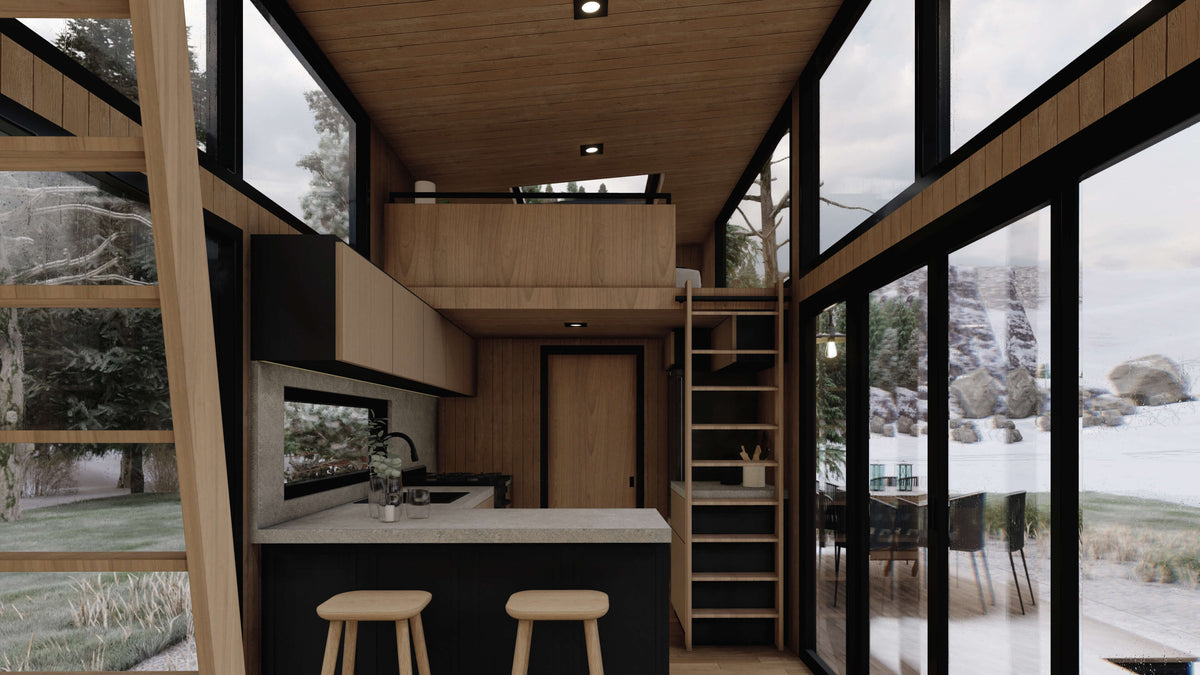
Anyone who has spent months poring over floor plans, choosing reclaimed wood siding, or debating loft ladder angles knows a tiny home is not just a smaller house. It is a tightly engineered living space where every stud, wire run, and inch of insulation matters.
That density is exactly what makes pest damage so disproportionately expensive in a tiny home compared to a conventional one. A problem that might stay contained to one corner of a 2,500 square foot house can compromise structural integrity across an entire tiny home footprint in a fraction of the time.
This is why pest prevention deserves the same planning attention as your insulation package or your water system. Homeowners researching rodent problems often ask are mice dangerous to pets and children mobile al, a question that reflects a broader concern for anyone living in close quarters with family members and animals.
In a tiny home, where sleeping lofts sit just feet from kitchen counters and pet bowls, the stakes around rodent activity are not abstract. They are immediate, physical, and financial all at once.
Why Tiny Homes Face Unique Pest Risks
Tiny homes on wheels or narrow foundations concentrate wiring, plumbing, and insulation into compact chases that rodents and insects find easy to travel through once they gain entry.
A single gap around a utility hookup or a gnawed seam near the wheel wells can give mice or termites a direct route into the core of the structure. Because so many systems are stacked close together, a nesting site in one wall cavity can quickly put wiring, water lines, and insulation all at risk simultaneously, rather than affecting one isolated area the way it might in a larger home.

Ventilation and moisture patterns in small structures also create favorable conditions for pests if not managed carefully. Skirting around a tiny home on wheels, or the crawl space beneath a foundation model, often stays warmer and more humid than the surrounding exterior, which attracts rodents seeking shelter as outdoor temperatures shift with the seasons.
Builders and owners who understand these conditions tend to prioritize sealing and exclusion work during construction or renovation, rather than treating pest control as an afterthought once a problem is already visible.
The Real Cost of Untreated Infestations
When pest damage goes unaddressed, the costs extend well beyond the price of extermination itself. Rodent damage to electrical wiring, insulation, and drywall commonly runs from $300 to $2,000 or more per incident, and attic restoration after a serious infestation can climb to $5,000 to $10,000 once contaminated insulation and damaged framing are factored in.
Termite damage repair sits even higher, typically ranging from $3,000 to $15,000 per home depending on how long the colony went undetected and how much structural wood was compromised.
Health risks compound the financial burden. According to Mice in the House: Safety and Health Concerns You Should Know | Inspira Health, mice can spread germs through droppings, urine, and nesting debris, which pose particular risks in areas where children play and pets spend time, including contamination of food and surfaces near baseboards.
In a tiny home, where living, sleeping, and eating spaces overlap far more than in a traditional house, this kind of contamination is harder to contain and often affects a larger share of the home at once.
Homeowners insurance frequently excludes rodent and insect damage entirely, classifying it as a maintenance issue rather than a covered peril, which leaves the full repair bill squarely on the homeowner.
Prevention vs. Repair: A Cost Breakdown
Laid side by side, the financial case for ongoing prevention becomes difficult to ignore.
Annual preventive pest control plans, typically billed quarterly, cost between $300 and $950 per year for a professional service that includes inspection, exterior treatment, and monitoring.
Compare that to the thousands of dollars required to repair termite or rodent damage after the fact, and the math consistently favors prevention by a wide margin.
|
Cost or Value Factor |
Estimated Range |
|
Annual Preventive Pest Control Plan (quarterly service) |
$300 - $950 per year |
|
Average Termite Damage Repair Cost |
$3,000 - $15,000 per home |
|
Rodent Damage Repair (electrical, insulation, drywall) |
$300 - $2,000+ per incident |
|
Attic Restoration After Rodent Infestation |
$5,000 - $10,000 |
|
Prevention-to-Repair Cost Ratio |
Prevention is 4 to 10 times cheaper than reactive repair |
|
Reinfestation Rate Without Ongoing Prevention |
75% within 6 months |
That last figure is especially relevant for tiny home owners tempted to treat a single infestation and move on. Data from 2025 shows that reinfestation occurs in roughly 75 percent of cases within six months when ongoing prevention is not maintained.
A one-time treatment might clear visible activity, but without continued exclusion work and monitoring, the same access points and attractants remain, and pests tend to return well before the next annual budget cycle even begins.

Smart Spending: Where to Invest in Pest Protection
Not all pest control dollars deliver equal value, and tiny home owners working with tighter budgets benefit from prioritizing the measures that address root causes rather than symptoms.
Exclusion work, sealing gaps around utility penetrations, skirting, and foundation joints, tends to offer the best long-term return because it physically removes the entry points pests rely on. Routine professional inspections catch small issues while they are still inexpensive to fix, well before wiring or framing sustains real damage.
DIY traps and store-bought repellents can feel like a lower-cost option in the moment, but they rarely address the structural gaps that invite pests back in, which is part of why reinfestation rates stay so high without professional follow-through.
A combination of sealed entry points, scheduled monitoring, and prompt attention to early warning signs, such as droppings or gnaw marks near baseboards, protects both the structural investment in the home and the health of the people and pets living inside it.
For a home built on efficient use of every square foot, that kind of proactive spending is simply part of responsible ownership.

Share: