

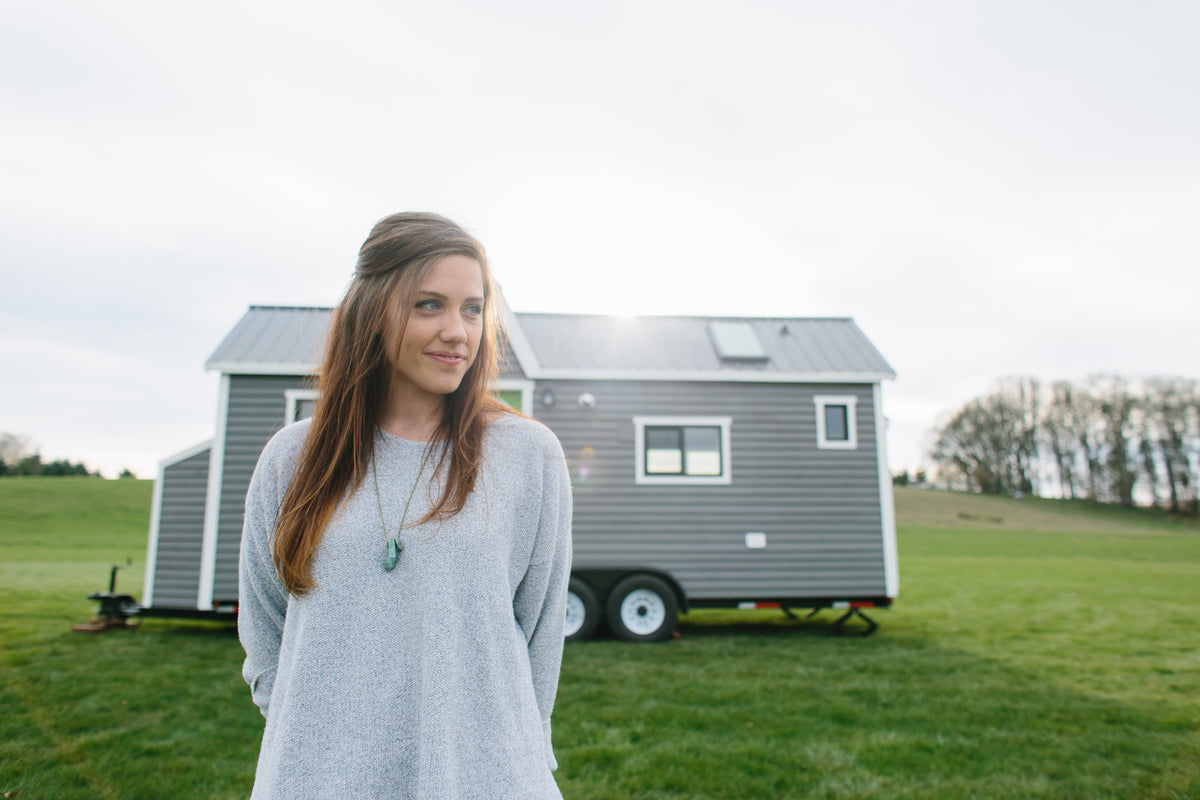
Traveling with a tiny house can feel like a refreshing change, offering you the chance to explore off-the-beaten-path destinations. You’ll embrace a minimalist lifestyle, but that freedom comes with its own set of challenges. Limited space and budget constraints might force you to rethink your priorities. As you navigate campgrounds and regulations, you may wonder if the perks outweigh the hurdles. What do you really gain from this lifestyle?
Key Takeaways
-
Traveling with a tiny house offers spontaneous exploration while maintaining a minimalistic lifestyle, prioritizing experiences over material possessions.
-
Space optimization is crucial, requiring multifunctional furniture and clever storage solutions to ensure comfort and livability.
-
Budgeting for utilities, maintenance, and travel costs is essential for sustainable tiny house living and avoiding unexpected expenses.
-
Building community with fellow tiny house enthusiasts enhances the travel experience through shared resources and support.
-
Embracing off-grid living options promotes environmental mindfulness and self-sufficiency, reducing your carbon footprint.
The Freedom of Tiny House Living
When you embrace tiny house living, you open up a world of freedom that traditional homes simply can’t offer.
Imagine packing up your cozy space and hitting the road, ready for tiny home adventures that take you to breathtaking landscapes. With a smaller footprint, you naturally lean toward sustainable travel, minimizing your impact on the environment.
You can explore diverse locations, from serene forests to vibrant cities, all while enjoying the comforts of home. The flexibility of tiny living means you can change your scenery whenever you desire, creating unforgettable memories.
Plus, you'll find that the simplicity of your space encourages you to focus on experiences rather than possessions, enriching your journey in ways you never thought possible.
Embracing Minimalism: The Joy of Less
As you immerse yourself in the world of tiny house living, you’ll quickly discover that embracing minimalism brings a sense of clarity and joy that’s hard to replicate.
Adopting a minimalist mindset encourages you to prioritize experiences over possessions, allowing you to focus on what truly matters. With each item you let go, you’ll experience decluttering benefits: less stress, more space, and a greater appreciation for simplicity.
You’ll find that living with less fosters creativity and mindfulness, enabling you to connect more deeply with your surroundings.
Each carefully chosen item becomes meaningful, enhancing your daily life. Embracing this lifestyle not only transforms your living space but also enriches your journey, making every moment feel intentional and fulfilling.

Key Design Challenges of Tiny Houses
Designing a tiny house can feel like solving a complex puzzle, where every square inch counts and functionality is essential. You’ll face key challenges, like maximizing your limited space while ensuring it remains livable and comfortable.
Employing space optimization techniques is vital; think vertical storage and clever layouts that make the most of what you have. Multifunctional furniture becomes your best friend, serving as both seating and storage, or transforming a dining table into a workspace.
You’ll also need to reflect on how to create distinct areas within your tiny home, balancing openness with privacy. Each decision impacts your daily life, so take your time to craft a space that feels both cozy and practical, without sacrificing style or comfort.
Budgeting Essentials for Tiny House Living
While the allure of tiny house living often lies in its simplicity, budgeting for this lifestyle can quickly become complex. You’ll need to identify essential expenses, like utilities, maintenance, and insurance, which can add up faster than you think.
Start by implementing savings strategies, such as tracking your spending and setting aside a monthly budget for unforeseen repairs. Don’t forget to factor in travel costs, including fuel and campground fees, as you explore new places.
Consider bulk buying supplies and utilizing local resources to minimize costs. By staying organized and proactive, you’ll make tiny house living not just a dream, but a sustainable reality.
Embrace the journey while keeping your finances in check.
Finding Campgrounds and Understanding Regulations
Before you hit the road with your tiny house, finding suitable campgrounds and understanding local regulations is essential for a smooth journey.
Start by making campground reservations ahead of time, as many spots fill up quickly. Be aware of zoning laws in each area; some locations have strict parking regulations for tiny homes.
Check for site amenities like utility hookups, which can enhance your stay. Keep accessibility concerns in mind, especially if you need specific accommodations.
Familiarize yourself with seasonal restrictions, as some campgrounds may close during winter. Finally, review pet policies to guarantee your furry friends are welcome.
Maximizing Comfort in Small Spaces
To create a cozy haven in your tiny house, focus on smart design choices that maximize every inch of space. Incorporate space-saving solutions like wall-mounted shelves and hidden storage compartments to keep your belongings organized and accessible.
Opt for multifunctional furniture, such as a sofa that converts into a bed or a dining table that doubles as a workspace. This versatility not only enhances comfort but also adds practicality to your living area.
Use light colors and mirrors to create an illusion of more space, making your tiny home feel airy and inviting.
Building a Tiny House Community on the Road
As you commence the journey of living in a tiny house, building a community on the road can enrich your experience and provide invaluable support. Connecting with fellow tiny house enthusiasts fosters community bonding, creating friendships that can last a lifetime.
You'll discover that sharing resources, whether it’s tools, tips, or even meals, can greatly ease your travels. Imagine gathering around a campfire with others, swapping stories and advice while your tiny homes stand together under the stars.
This supportive network not only enhances your lifestyle but also offers a sense of belonging. Embracing this community spirit allows you to navigate challenges more easily and celebrate the joys of tiny house living in a collaborative, nurturing environment.

The Environmental Impact of Tiny House Living
While you may be drawn to tiny house living for its unique charm, the environmental benefits are equally compelling. Embracing this lifestyle often means using sustainable materials, reducing your carbon footprint considerably.
With a focus on energy efficiency, tiny houses can incorporate eco-friendly appliances that minimize electricity consumption. Effective waste management and innovative water conservation techniques further enhance their green credentials.
Many tiny dwellers opt for off-grid living, harnessing renewable energy sources like solar power. This self-sufficiency not only lowers your impact on the planet but also empowers you to live in harmony with nature.
Conclusion
Traveling with a tiny house is a journey of discovery and growth. You'll embrace the thrill of spontaneity while steering through the challenges of limited space and budgeting. Each stop becomes an adventure, bringing you closer to nature and like-minded souls. While you may face hurdles in finding the perfect campground or adapting to minimalism, the rewards of freedom and intentional living make it all worthwhile. Ultimately, this lifestyle invites you to savor every moment on the open road.
Share: