

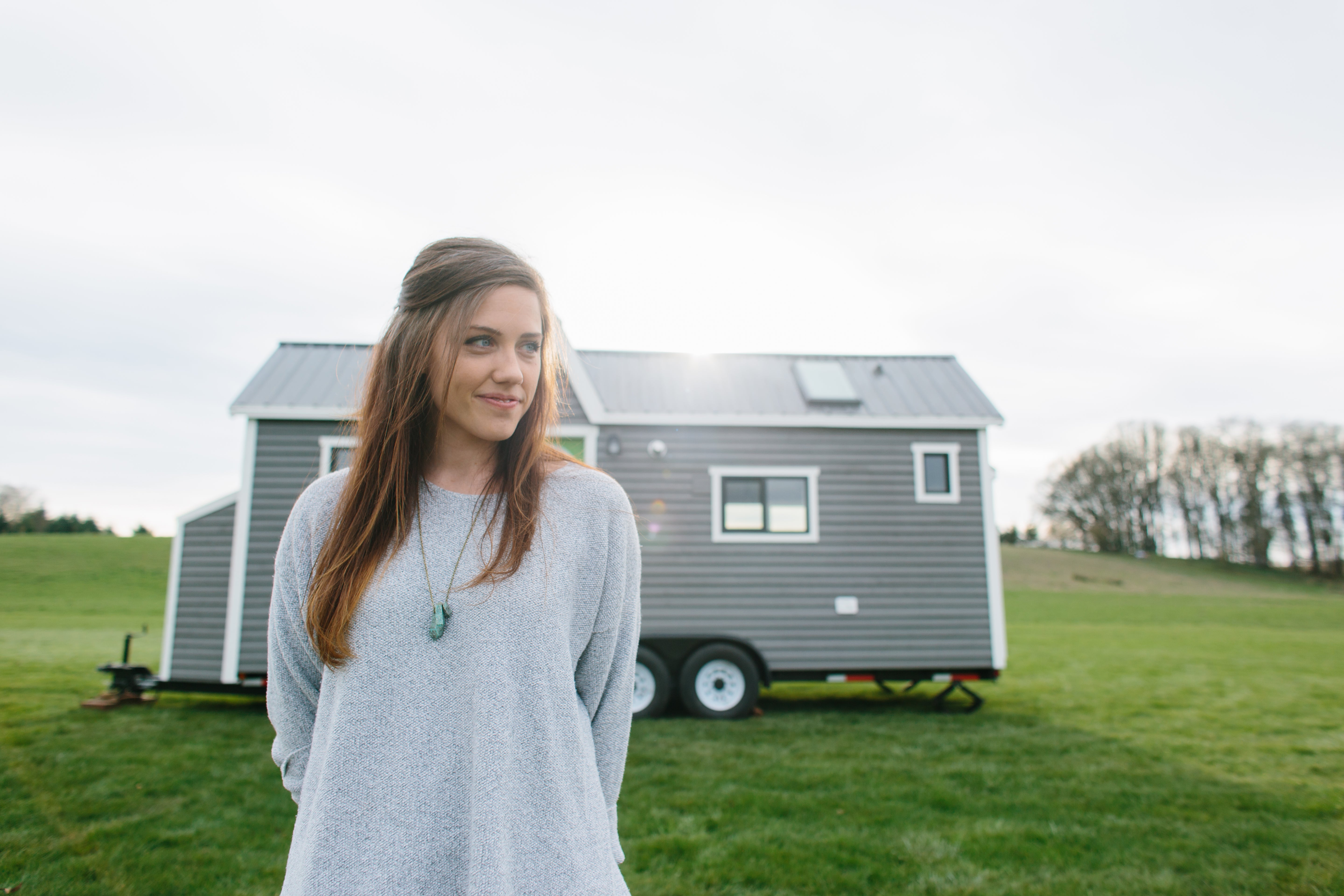
Traveling with a tiny house can be an exciting yet challenging experience. You’ll need to contemplate various factors before you hit the road, from choosing the right towing vehicle to understanding local laws. It’s vital to guarantee your tiny home is road-ready and that you’ve mapped out suitable campsites. But that’s just the beginning—there are critical safety and budgeting aspects you can't afford to overlook. What should you prioritize first?
Key Takeaways
-
Optimize your tiny house for storage and livability before traveling to maximize space and comfort on the road.
-
Choose a towing vehicle with sufficient capacity and stability features to safely transport your tiny house.
-
Research local laws and zoning regulations to ensure legal parking and compliance in your travel areas.
-
Select campsites that accommodate tiny houses, offering essential amenities like water, electricity, and waste disposal.
-
Prioritize safety with smoke detectors, security measures, and a stocked first aid kit while budgeting for travel expenses.
What to Consider Before Traveling With a Tiny House?
Before you hit the road with your tiny house, it’s essential to contemplate a few key factors.
First, think about space optimization; every inch counts in a tiny home. Make sure you’ve organized your belongings efficiently to maximize both storage and livability.
Also, don’t overlook the importance of travel insurance. It can protect you against potential damages or unexpected events while you’re on the move. Research policies that specifically cover tiny houses, as not all standard insurance plans will apply.
Finally, familiarize yourself with local regulations and parking options to avoid any surprises. Being well-prepared will make your journey smoother and more enjoyable, allowing you to fully embrace the freedom of tiny house living.
Choosing the Right Towing Vehicle for Your Tiny House
How do you choose the right towing vehicle for your tiny house? First, assess your tiny house's weight to guarantee your vehicle has adequate towing capacity.
Check the manufacturer's specifications, as this number should exceed your tiny house's weight, including any cargo.
Next, consider vehicle compatibility; not all vehicles can handle the same trailer types. If you’re going for a truck or SUV, look for models designed for towing, as they often come with enhanced stability features.
Don’t forget to factor in the type of terrain you’ll encounter. A vehicle with good towing capacity is essential for safe travels, so choose wisely to guarantee smooth journeys on the road.
Understanding Tiny House Laws and Zoning
What do you need to know about tiny house laws and zoning before hitting the road?
First, understand that zoning regulations vary greatly by state, impacting where you can legally park your tiny house.
Familiarize yourself with local building codes and land use policies, as these dictate what’s permissible in your area.
You’ll likely need parking permits, especially in urban settings.
Keep an eye on legal requirements, as non-compliance can lead to fines or travel restrictions.
Additionally, insurance considerations can vary based on where you’re located, so it’s wise to research options tailored for tiny homes.
Always check for state differences to make sure you’re prepared and compliant as you start on your tiny house journey.
Finding the Best Campsites for Tiny House Travel
As you commence your tiny house adventure, finding the right campsites can enhance your travel experience considerably.
Start by researching campsites that cater to tiny houses, focusing on their amenities. Look for places with hook-ups for water and electricity, as well as waste disposal options. These amenities can make your stay much more comfortable.
When it comes to booking strategies, consider making reservations during peak seasons to secure your spot.
Utilize online platforms that specialize in tiny house-friendly campsites, and read reviews to gauge the experiences of others. Don't hesitate to contact campsite managers directly to ask about their policies and any specific requirements.
With the right campsites, you'll create unforgettable memories on the road.
Get Your Tiny House Road-Ready
Before you hit the road, making certain your tiny house is ready for travel is essential. Start by inspecting the exterior for any loose parts or damage. Check the roof, windows, and doors to verify they're secure.
Next, focus on securing the interior. Remove any items that could shift during transit—think decorations, kitchenware, and personal belongings. Use storage bins and straps to keep things in place.
Don’t forget to check the hitch and brakes; they need to be in top condition for a safe journey.
Finally, review your utility connections, confirming everything is disconnected and ready for the road. Taking these steps will help you enjoy a smooth travel experience with your tiny house.
What to Pack for Tiny House Travel
Packing for tiny house travel can feel challenging, especially when space is at a premium. To make the most of your limited room, embrace minimalist packing.
Start with the essentials: clothing that layers well, versatile kitchenware, and compact toiletries. Prioritize multi-use items to cut down on bulk.
Don’t forget your essential tools, like a dependable toolkit for repairs and a first-aid kit for emergencies.
Consider adding collapsible furniture or storage bins to maximize space efficiently.
Remember, the key is to bring only what you truly need; this keeps your tiny house organized and functional.
Managing Utilities for Tiny House Travel
Once you've packed efficiently for your tiny house journey, managing utilities becomes a key consideration for a comfortable experience.
Start with water management; consider a portable water tank or a filtration system to guarantee you have access to clean water. Regularly check your tank levels, and understand the local regulations regarding water usage at campgrounds.
Next, power sources are essential. Solar panels can be a game-changer, providing sustainable energy while on the road. If you’re near electrical hookups, make certain you have the right adapters.
Also, keep a generator handy for backup power. Stay organized, and plan your stops based on available utilities to guarantee a smooth and enjoyable journey in your tiny house.
Tiny House Safety Tips
While you're enjoying the freedom of tiny house travel, keeping safety in mind is essential. Start with fire safety: install smoke detectors and keep a fire extinguisher handy. Check your electrical systems regularly to avoid hazards. Always know your escape routes in case of an emergency.
Next, implement security measures to protect your home on wheels. Use wheel locks and hitch locks when parked, and consider installing a security camera or alarm system. When choosing locations, opt for well-lit areas and avoid isolated spots.
Lastly, keep a first aid kit stocked and know basic emergency protocols. By prioritizing these safety tips, you’ll guarantee a worry-free adventure while savoring the joy of tiny house living.
Budgeting for Your Tiny House Adventure
As you plan your tiny house adventure, budgeting effectively is essential to ensuring a smooth journey.
Start by creating a detailed cost breakdown that includes expenses like fuel, campsite fees, food, and maintenance. This’ll help you avoid surprises along the way.
Utilize budgeting tips such as setting aside a contingency fund for unexpected costs. Consider joining a tiny house community online for shared experiences and advice on savings.
Don’t forget to factor in the costs of permits and insurance, which can vary by location.
By clearly outlining your expenses and sticking to your plan, you’ll enjoy your adventure without financial stress.
Resources and Communities for Tiny House Travelers
When you commence your tiny house journey, tapping into the right resources and communities can make all the difference.
Start by exploring tiny house forums, where you’ll find valuable insights and advice from fellow travelers. Utilize travel resources like apps and websites to discover safe parking spots and local regulations you need to follow.
Online networks can connect you with like-minded individuals who share their experiences and tips. Don’t miss out on community meetups—these gatherings offer a chance to learn from others and build lasting friendships.
Joining support groups can also provide encouragement and assistance as you navigate challenges.
Conclusion
Traveling with a tiny house can be an incredible adventure if you’re well-prepared. By choosing the right towing vehicle, understanding local laws, and finding suitable campsites, you’re setting yourself up for success. Don’t forget to verify your tiny house is road-ready and prioritize safety. Keep your budget in mind for fuel and unexpected costs, and tap into resources and communities for support. With the right planning, you’ll create unforgettable memories on the road!

Share: