

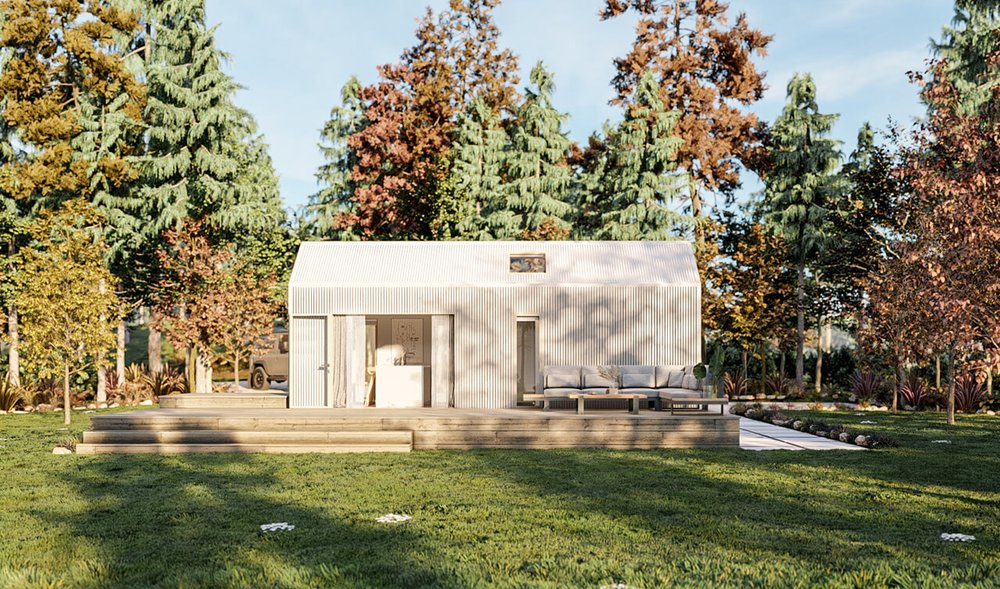
Choosing the right dimensions for your tiny house isn't just about square footage—it's about aligning your space with your unique lifestyle. Whether you’re living solo, as a couple, or with family, the size of your home can greatly impact your daily routine.
Understanding local zoning laws and how to creatively utilize every inch can make all the difference. So, what factors should you consider when determining your ideal tiny house size?
Key Takeaways
-
Assess your living situation to determine necessary space, whether solo, couple, or family, influencing size requirements.
-
Tiny houses typically range from 100 to 400 square feet, depending on zoning laws and occupants.
-
Open floorplans and multifunctional furniture maximize space and enhance daily routines for efficient living.
-
Implement vertical storage solutions and under-bed storage to optimize limited square footage effectively.
-
Budgeting should prioritize essential needs and consider financing options to align with your tiny living vision.
Assessing Your Space Needs: Solo, Couples, or Families?
When considering your tiny house, how do you determine the right size for your lifestyle? Start by evaluating your space needs based on your living situation.
If you’re embracing solo living, a compact layout with multifunctional furniture might suit you perfectly. For couples, consider the dynamics of shared space; you’ll want areas for both togetherness and privacy.
Think about how your relationship influences your design choices and daily routines. Families, on the other hand, have unique needs; prioritize room for children’s activities, storage, and communal spaces.
Your lifestyle preferences will guide the balance between minimalism and comfort. Ultimately, understanding these factors guarantees your tiny house reflects your life’s rhythm, making every square foot count.

Understanding Tiny House Dimensions: Key Factors to Consider
As you immerse yourself in the world of tiny houses, understanding the dimensions is essential for maximizing your living experience.
Start by considering tiny house regulations, which often dictate maximum widths, heights, and lengths to guarantee compliance with local zoning laws. Ideal dimensions typically range from 100 to 400 square feet, balancing livability and mobility.
Think about how layout and storage solutions can enhance functionality within these dimensions. Remember, taller ceilings can create an illusion of space, while multi-functional furniture can improve limited square footage.
Additionally, assess how many occupants you'll have—this directly influences your size requirements.
Ultimately, tailoring your tiny house dimensions to your lifestyle will lead to a more satisfying and efficient living environment.
Popular Tiny House Layouts: Finding Your Ideal Configuration
How can you find the perfect tiny house layout that suits your lifestyle? Start by considering open floorplans, which create a sense of spaciousness and flow. This layout allows you to maximize natural light and ventilation, making your tiny home feel larger than it is.
Next, incorporate multi functional furniture that adapts to your needs—think sofa beds, foldable tables, and storage ottomans. These pieces not only save space but also enhance versatility, enabling you to seamlessly switch between work, relaxation, and entertaining.
Visualize how each area will function daily, ensuring the layout supports your routines. By focusing on open designs and adaptable furnishings, you’ll create a cozy, efficient space tailored to your personal preferences.

How to Maximize Storage in Tiny Homes
Although living in a tiny home presents unique challenges, maximizing storage can transform your space into an organized haven.
Start by utilizing vertical storage solutions, like wall-mounted shelves and hooks, to keep essential items off the floor. Consider installing tall cabinets that reach the ceiling, allowing you to store seasonal items up high.
Embrace multifunctional furniture, such as a sofa bed or an ottoman with hidden compartments, to serve dual purposes while saving space. You might also repurpose under-bed areas for extra storage, using bins or drawers to keep belongings neatly tucked away.
Finally, don't underestimate the power of creative organization—use baskets or bins to categorize items, making it easier to find what you need without cluttering your tiny home.
Designing Functional Living Areas in Tiny Houses
When designing functional living areas in tiny houses, it’s essential to prioritize both comfort and efficiency to make the most of your limited space.
Start by embracing an open concept layout, which creates an illusion of spaciousness and flow. Choose multifunctional furniture, like a sofa that converts into a bed or a dining table that doubles as a workspace.
Opt for built-in storage solutions that maintain clean lines and minimize clutter. Consider using foldable or stackable items to maximize versatility.
Light colors and strategic lighting can enhance the airy feel, while mirrors can reflect natural light.
What You Need to Know About Tiny House Codes and Zoning?
Maneuvering tiny house codes and zoning regulations can be challenging, especially since these rules vary considerably by location. Understanding tiny house regulations is vital before you begin your journey.
You’ll need to check local zoning restrictions, which dictate where you can park or build your tiny home. Some areas allow tiny houses on wheels, while others may only permit permanent structures.
Familiarize yourself with setback requirements, minimum square footage, and utility connections specific to your region. Engaging with your local planning department can provide clarity and guidance.

Budgeting for Your Tiny House Build: Size vs. Cost Considerations
Once you’ve navigated the local zoning regulations for your tiny house, the next step is to contemplate your budget.
Begin with a detailed cost breakdown, considering materials, labor, and utilities. The size of your tiny house directly impacts these expenses; smaller homes often reduce costs, but you’ll want to guarantee you don’t compromise on essential features.
Explore various financing options, from personal loans to tiny house-specific lenders, to help fund your project. Keep in mind that a well-planned budget can make all the difference in achieving a balance between size and affordability.
Prioritize your needs versus wants, and remember that every dollar spent should align with your vision of tiny living.
Personalizing Your Tiny House: Unique Touches for Every Size
As you immerse yourself in the world of tiny house living, personalizing your space becomes an exciting opportunity to reflect your unique style, regardless of size.
Start by selecting personalized decor that resonates with you—think bold colors, artwork, or meaningful mementos. In smaller homes, every piece counts, so opt for multifunctional items that enhance functionality while expressing your personality.
Custom furniture is another essential aspect; consider pieces specifically designed to maximize space, like a fold-out desk or a sofa bed. Integrate built-in storage solutions to maintain a clutter-free environment.
Conclusion
Finding the right size for your tiny house is all about aligning it with your lifestyle and needs. Whether you’re living solo, as a couple, or with family, understanding dimensions and layouts is key. By maximizing storage and designing functional living areas, you can create a spacious feel even in limited square footage. Remember to take into account local codes and budget constraints as you personalize your tiny home, ensuring it truly reflects your unique style and enhances your everyday living experience.

Share: