

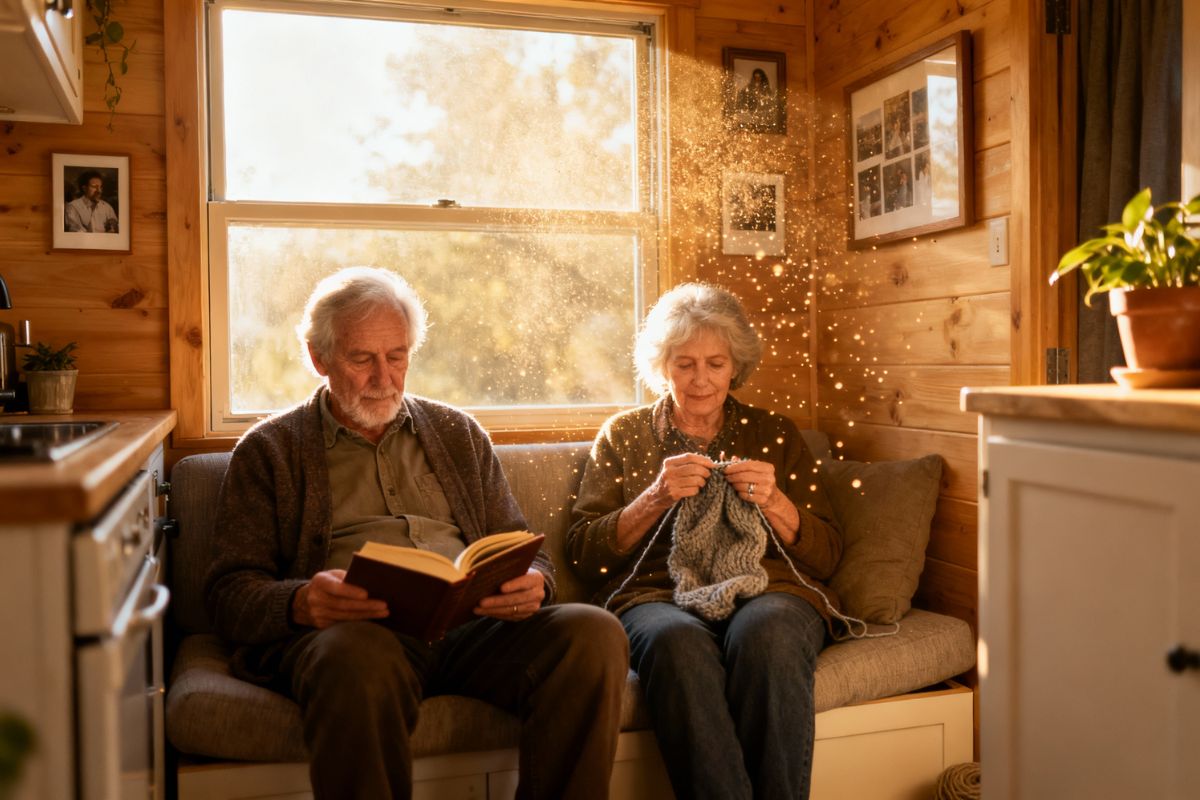
If you’re considering a shift in your retirement lifestyle, tiny homes might just be the answer. These compact spaces offer a range of benefits, from financial freedom to a simpler way of living.
Imagine reducing your expenses while enhancing your focus on health and hobbies. But how do you choose the right one for your needs? Let’s explore the key factors that can help you make an informed decision.
Key Takeaways
-
Tiny homes offer affordable living, reducing financial burdens and allowing retirees to enjoy more disposable income for hobbies and travel.
-
Downsizing leads to less maintenance, creating a peaceful and organized environment that promotes relaxation and well-being.
-
Choose a tiny home that suits personal hobbies and social needs, optimizing space with multifunctional furniture for comfort and accessibility.
-
Explore various financing options, including specialized mortgages and grants for seniors, to make tiny home ownership feasible.
-
Design your tiny home to maximize natural light and storage, maintaining a minimalist aesthetic while personalizing it with meaningful items.
What Are Tiny Homes and Why Are They Ideal for Retirees?
Tiny homes are compact, efficient living spaces that typically range from 100 to 400 square feet.
For retirees like you, these homes offer an excellent opportunity for affordable living without the burden of large mortgages. Embracing a minimalist lifestyle, you can focus on what truly matters—your health, hobbies, and relationships.
With fewer possessions to maintain, you’ll find more time and energy to enjoy retirement. Plus, tiny homes often come with lower utility bills and reduced maintenance costs, making them financially attractive.
You can even choose locations that allow you to be closer to nature or loved ones. By downsizing, you create a serene, clutter-free environment that encourages relaxation and joy in your golden years.
Key Benefits of Downsizing to a Tiny Home
Downsizing to a tiny home offers numerous advantages that can greatly enhance your retirement experience.
First and foremost, it can provide you with financial freedom. By reducing your living expenses, you’ll have more disposable income for travel, hobbies, or simply enjoying life.
Embracing a minimalist lifestyle also means you’ll spend less time maintaining a large space and more time pursuing what truly matters to you. You’ll find that by letting go of excess belongings, you create a more peaceful and organized environment.
Additionally, tiny homes often encourage sustainable living, helping you connect with nature and reduce your carbon footprint.
How to Choose the Right Tiny Home for Your Needs?
How can you guarantee that your tiny home meets your unique needs? Start by evaluating how you’ll use the space.
Consider your hobbies, daily activities, and social life. Focus on space optimization; think about multifunctional furniture and clever storage solutions to maximize every square inch.
Next, reflect on lifestyle adjustments you’re willing to make. Are you ready to downsize your belongings and simplify your routines? This mindset shift is essential for enjoying tiny living.
Lastly, prioritize layout and accessibility. Confirm your tiny home accommodates any mobility needs and offers a comfortable flow.
Must-Have Features for Retiree Tiny Homes
When you’ve decided on the right tiny home, focusing on must-have features can elevate your living experience. First, prioritize safety features like non-slip flooring, grab bars, and well-placed lighting to navigate easily. These elements guarantee you feel secure in your new space.
Next, consider clever storage solutions that maximize your tiny home's efficiency. Built-in shelves, under-bed storage, and multifunctional furniture can help you keep essentials organized without clutter.
Think about a cozy outdoor space too, as it can expand your living area and offer a peaceful retreat. By combining safety features with smart storage solutions, you’ll create a comfortable and functional home tailored to your retirement needs.
How to Finance Your Tiny Home Purchase?
Financing your tiny home purchase can seem challenging, but several straightforward options make it manageable.
First, explore traditional loan options like personal loans or mortgages tailored for tiny homes. Some lenders specialize in tiny home financing, offering favorable terms.
If you’re looking for flexibility, consider creative financing methods, such as rent-to-own agreements or crowdfunding.
You might also tap into savings or retirement accounts, but weigh the potential impacts on your finances.
Additionally, don’t overlook grants or assistance programs aimed at seniors, which can ease your financial burden.
Tips for Designing a Comfortable Tiny Living Space
Designing a comfortable tiny living space can be both rewarding and challenging, especially when you want to maximize every square inch.
Start by focusing on space optimization. Use vertical space for storage, like shelves that reach the ceiling, freeing up floor area. Choose multifunctional furniture, such as a sofa bed or a coffee table that doubles as storage. This way, you can maintain a cozy atmosphere while ensuring everything has its place.
Keep your color palette light and airy to create an illusion of larger spaces. Incorporate natural light with strategically placed mirrors and windows.
Finally, personalize your space with a few cherished items, making it truly yours without overwhelming the limited area.
Eco-Friendly Benefits of Tiny Homes
While many people seek a simpler lifestyle, tiny homes offer significant eco-friendly benefits that go beyond just downsizing. With their smaller footprint, you’ll naturally consume fewer resources, reducing your overall environmental impact.
Many tiny homes incorporate sustainable materials, like reclaimed wood and recycled metal, ensuring your living space is both stylish and eco-conscious.
Additionally, these homes often feature energy efficiency elements, such as solar panels and high-quality insulation, which help you save on utility bills and minimize energy waste.
Inspiring Tiny Home Success Stories From Retirees
Many retirees have found joy and fulfillment in tiny homes, embracing the freedom that comes with simplifying their lives.
For instance, you might meet Jane and Tom, who downsized from a large house to a cozy tiny home on a communal lot. They cherish the strong community connections they've built with neighbors, sharing potlucks and gardening tips.
By adopting a minimalist lifestyle, they’ve discovered new hobbies and experiences, like painting and hiking, that enrich their retirement.
Similarly, Mike, a former teacher, transformed his tiny home into a creative studio, inspiring others to rethink what they truly need.
These success stories show how tiny homes can lead to a more meaningful, connected, and enjoyable retirement.
Understanding Tiny Home Zoning Laws
As you consider moving into a tiny home, it's crucial to understand the zoning laws that might affect your plans.
Zoning restrictions vary by location and can dictate where you can place your tiny home, whether it's on private land or in a community. Do your research to find out if your desired area has specific requirements regarding minimum square footage, setbacks, and land use.
Additionally, familiarize yourself with local building codes to guarantee your tiny home meets safety and construction standards. This knowledge can save you from costly mistakes and delays in the future.
How to Transition Smoothly to Tiny Home Living?
Shifting to tiny home living can feel overwhelming, but with careful planning, you can make the change smoother and more enjoyable.
Start by adopting a minimalist mindset; declutter your belongings and decide what truly matters to you. This will help you create a cozy, functional space.
Next, research tiny home communities that align with your lifestyle. Living among like-minded individuals fosters a sense of belonging and support. Connect with others through workshops or social events to exchange tips and experiences.
Finally, embrace the new lifestyle by setting realistic goals and being open to adjustments. Remember, the shift might take time, but with patience and a positive outlook, you’ll soon find joy in your tiny home adventure.
Conclusion
To sum up, tiny homes can be a perfect fit for your retirement lifestyle. They offer affordability, simplicity, and the chance to focus on what truly matters—your health, hobbies, and relationships. By embracing this minimalist approach, you’ll not only save money but also create a cozy sanctuary tailored to your needs. Whether it’s for the freedom to travel or enjoy nature, a tiny home can help you craft the fulfilling retirement you deserve.

Share: