

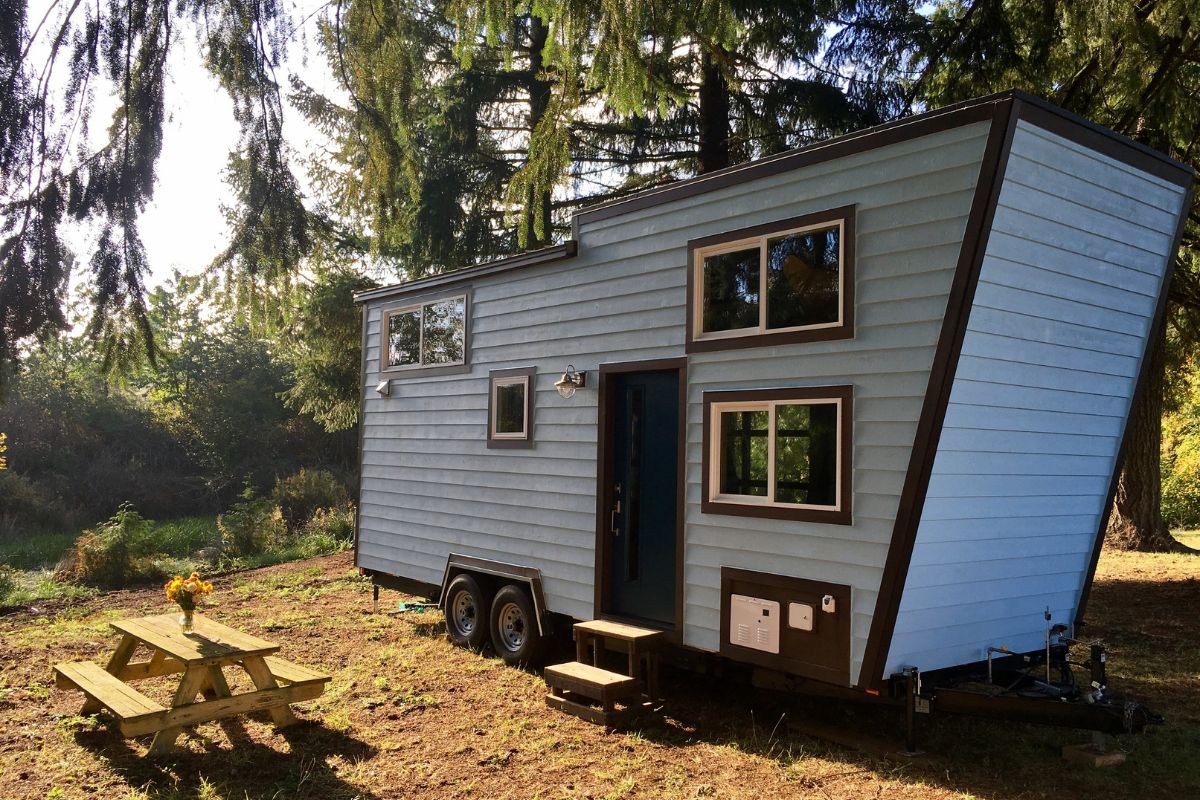
hen considering a tiny home versus an accessory dwelling unit (ADU), it's essential to weigh your personal needs and preferences. Tiny homes offer customizable designs and a focus on sustainability, while ADUs provide practical solutions for rental income or family living. Each option has unique benefits and challenges that could greatly impact your lifestyle. So, which small home option aligns better with your vision of living? The answer might surprise you.
Key Takeaways
-
Tiny homes offer unique designs and personalized aesthetics, while ADUs prioritize practicality and blend with existing properties.
-
Tiny homes maximize space with multifunctional areas, whereas ADUs utilize traditional layouts and amenities for versatility.
-
Consider long-term value; ADUs often provide better rental potential and property value increase compared to tiny homes.
-
Zoning laws vary significantly; tiny homes may face stricter regulations, while ADUs generally have more flexibility in urban areas.
-
Tiny homes may be financed through personal loans or RV financing, while ADUs typically require traditional mortgages or home equity loans.
Tiny Homes vs. ADUs: Key Differences
When you compare tiny homes and accessory dwelling units (ADUs), you'll discover key distinctions that can influence your living situation and investment.
Tiny homes often prioritize unique design considerations, allowing for personalized aesthetics and innovative layouts. Space optimization is vital here; every square foot is carefully utilized, giving the illusion of more room.
In contrast, ADUs are typically designed to complement existing properties and blend seamlessly into neighborhoods. They focus on practicality, often featuring traditional layouts and amenities to accommodate families or renters.
While both options promote minimalism, your choice may hinge on whether you prefer a standalone, customizable structure or a functional addition to your home. Understanding these differences helps guarantee you make an informed decision aligned with your lifestyle.

Tiny Homes: Key Features and Benefits
Tiny homes offer a unique blend of creativity and functionality, catering to those who seek a simplified lifestyle without sacrificing comfort.
One of the standout features is their design flexibility; you can customize layouts and materials to suit your style and needs. This adaptability allows you to maximize space efficiently, creating cozy nooks or multifunctional areas.
Additionally, tiny homes boast significant sustainability benefits, often requiring fewer resources to build and maintain. They typically use eco-friendly materials and energy-efficient appliances, reducing your carbon footprint.
This approach not only supports environmental consciousness but also fosters a sense of community, as tiny home living often encourages shared spaces and resources.
ADUs: Understanding Their Unique Advantages
ADUs, or Accessory Dwelling Units, present a compelling alternative for those looking to enhance their living space while maintaining practicality.
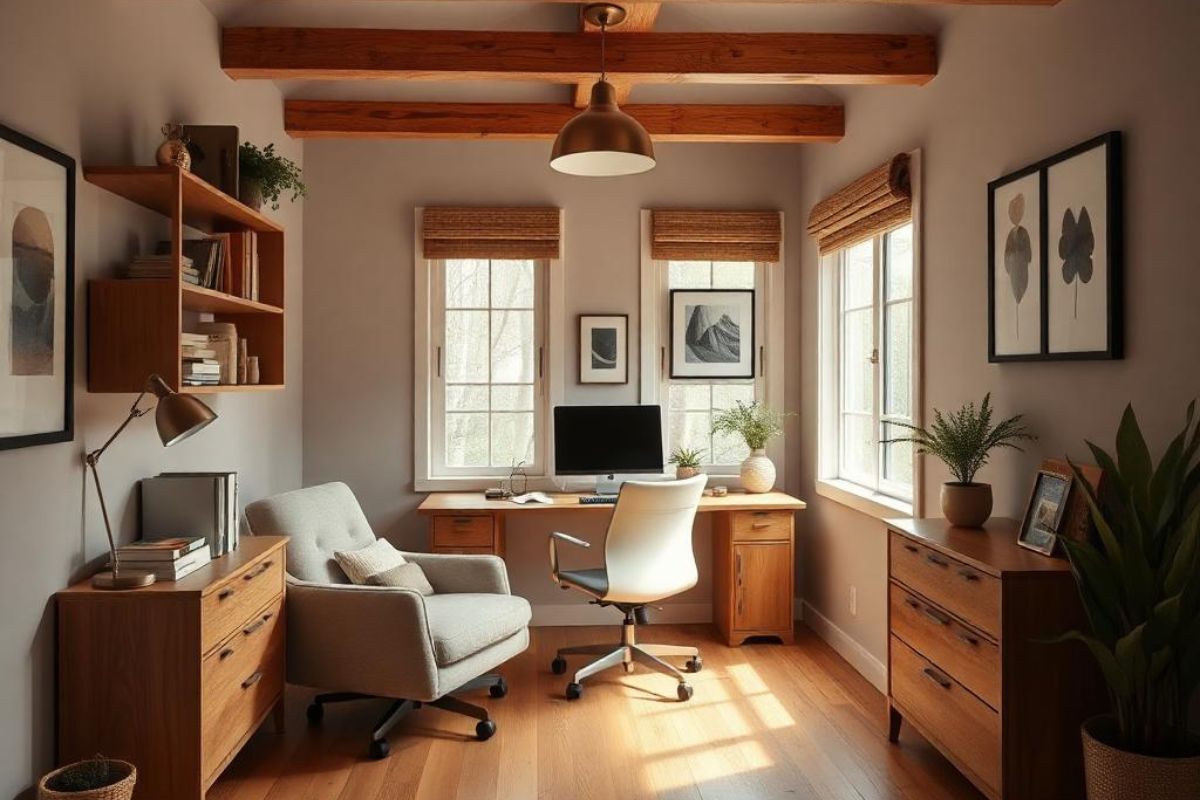
One of the key ADU benefits is their versatility; you can use them as a rental unit, guest suite, or even a home office. This flexibility allows you to adapt the space to your evolving needs, whether you're welcoming family or generating rental income.
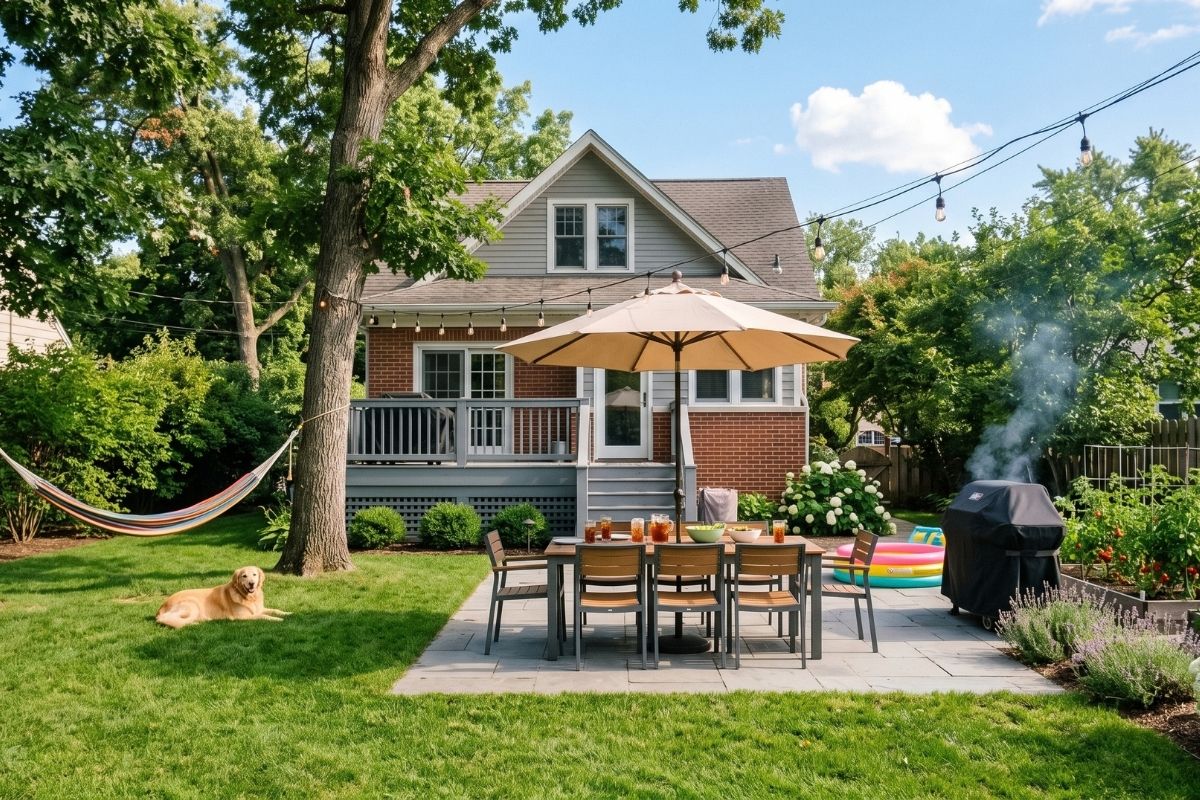
Furthermore, ADUs often integrate seamlessly into existing properties, preserving yard space and neighborhood aesthetics. They typically require fewer permits than standalone homes, making them easier to construct.
With their potential for increased property value and minimal disruption to your lifestyle, it’s clear that ADUs offer a unique solution for modern living.
Cost Breakdown: Tiny Homes vs. ADUs
Understanding the financial implications of choosing between a tiny home and an ADU can greatly impact your decision-making process.
When you conduct a cost comparison, you'll find that tiny homes typically range from $30,000 to $100,000, depending on size and materials. In contrast, ADUs often start at around $80,000 and can exceed $200,000, factoring in construction and permits.
Financing options also vary considerably; tiny homes may qualify for personal loans or RV financing, while ADUs usually require traditional mortgages or home equity loans.
Additionally, consider long-term value and rental potential—ADUs often yield better returns due to their permanent nature.
Ultimately, weighing upfront costs against financing options will guide you to the best small home choice for your lifestyle.

Zoning Laws for Tiny Homes and ADUs
When deciding between a tiny home and an ADU, zoning laws play a significant role in your options and overall feasibility. You’ll need to explore local zoning regulations, as they dictate what’s permissible on your property.
Tiny homes often face stricter limitations due to their unconventional nature, while ADUs may enjoy more leniency, especially in urban areas. Property restrictions can also vary; some neighborhoods may only allow traditional homes, while others embrace innovative housing solutions.
Understanding these nuances not only informs your decision but also guarantees compliance with local laws, helping you avoid potential legal pitfalls. Ultimately, knowledge of zoning laws is essential for successfully maneuvering the path to your ideal small home.
Which Option Suits Your Lifestyle Better?
How do you envision your ideal living situation?
If you value minimalist living and mobility, a tiny home may align with your lifestyle preferences. It allows for simplicity and connection with nature, perfect if you enjoy exploring new locations.
However, if you prefer a more traditional setup with adequate space for family or guests, an Accessory Dwelling Unit (ADU) might suit your needs better. An ADU offers more room for storage and amenities, accommodating your space requirements while still providing a cozy atmosphere.
Consider your daily routines, future plans, and how you prioritize comfort against simplicity. Ultimately, reflecting on these factors will guide you in choosing the option that enhances your lifestyle.
Conclusion
Ultimately, choosing between a tiny home and an ADU boils down to your lifestyle and priorities. If you crave a unique, standalone space that reflects your personality, a tiny home might be your perfect match. However, if you seek practicality and integration with your current property, an ADU could serve your needs better. By weighing the features, costs, and zoning laws, you’ll be well-equipped to make the best decision for your living situation and future aspirations.

Share: