

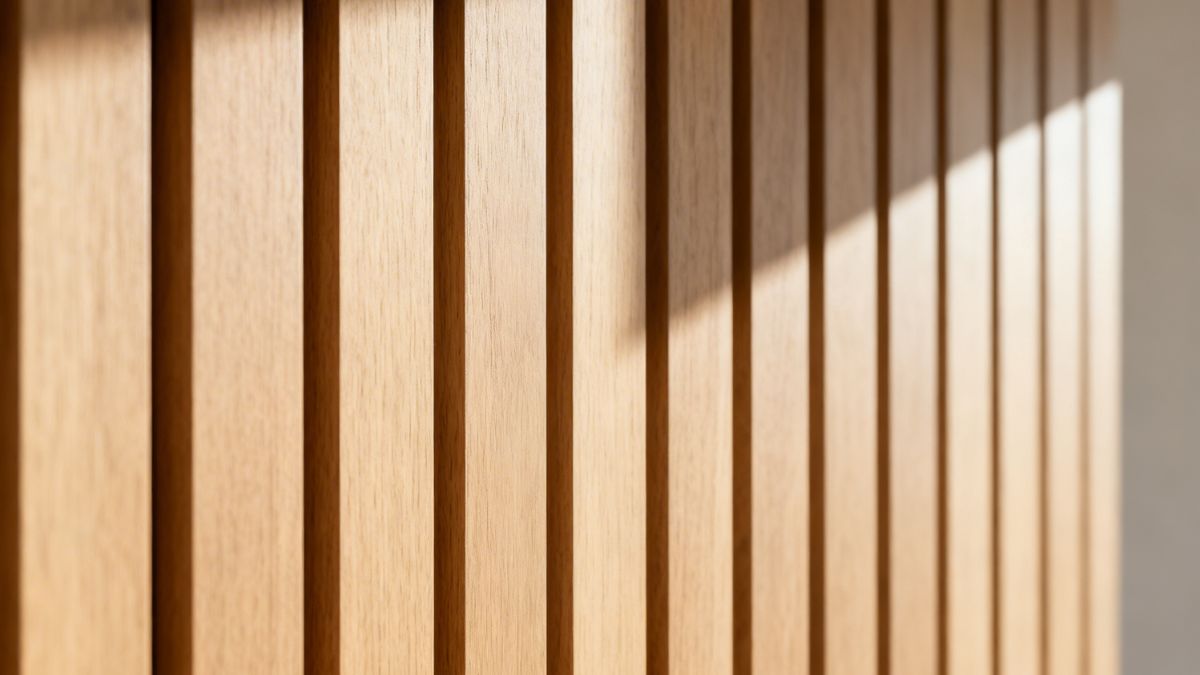
Integrating Scandinavian style into a space can significantly influence both its appearance and atmosphere. Acoustic panels featuring wooden slats are increasingly selected for their ability to blend visual character with practical benefits.
These panels help reduce echo and noise, making rooms more comfortable while introducing an element of craftsmanship. WoodUpp, drawing on Danish traditions and a commitment to sustainable materials, offers products known for their quality and attention to detail.
Their solutions are suitable for homes, offices, and hospitality settings, offering a balanced approach to improving acoustics with design.
The strong focus on using responsibly sourced wood aligns with interior trends focused on authenticity and natural elements.
By combining acoustic improvement with visual interest, these panels not only solve practical challenges but also contribute to a more inviting and harmonious environment, illustrating why their popularity continues to grow globally.
The impact of Scandinavian acoustic design
Scandinavian design is recognized for clean lines, natural materials, and a calming aesthetic. Incorporating an acoustic panel or wood slat wall brings these qualities into interior spaces. The wood slats contribute a welcoming look while serving the functional purpose of reducing unwanted noise.
WoodUpp’s acoustic panels are produced with carefully chosen wood and recycled felt for the backing. Emphasis on skilled craftsmanship results in products that feel substantial and fit seamlessly into a wide range of environments—whether in a private home or a bustling restaurant.
Choosing these panels can improve both the ambiance and functionality of a room. By reducing excess sound, it becomes possible to create spaces that support comfort, productivity, or relaxation. These features contribute to mental well-being, allowing individuals to focus, unwind, or interact without unwanted distractions.
Moreover, the natural color palette and tactile appeal of wood slat walls evoke a sense of presence, subtly connecting indoor areas with nature. This connection is valued in contemporary interior design, where the combination of usability and refined visual character remains highly desirable.

What to look for when choosing wood slat walls
When selecting a wood slat wall for any project, both design considerations and performance should be evaluated. Start by choosing the type of wood and finish that matches the overall décor. Lighter woods offer a soft expression, while darker options introduce warmth and dimension.
Construction quality also plays an important role. Handcrafted panels often feature selected materials and refined finishes that distinguish them from mass-produced alternatives. Elements such as recycled felt backings or sustainably sourced timber demonstrate added care in manufacturing.
Proper installation is necessary to achieve the intended acoustic performance. Panels like Akupanel can reach high levels of sound absorption if installed following the manufacturer’s guidelines.
Careful installation ensures the anticipated improvements are realized. Additionally, dimensions and spacing between the slats impact how much sound gets absorbed or diffused, and these technical aspects are worth considering early in the design phase.
It’s also advisable to check certifications or environmental ratings, ensuring the panels contribute to a healthier, more sustainable indoor space over the long term.
Handcrafted acoustic panels in real-world spaces
Wood slat walls can be used in various settings, including private residences and commercial environments like hotels or offices. In living rooms or bedrooms, they can make conversations clearer by minimizing echoes. Offices benefit from enhanced speech clarity during meetings and calls.
In restaurants or hotels, these panels help manage background noise while enhancing the visual appeal of walls or ceilings. With international availability—including recent expansion into North America—WoodUpp makes Scandinavian design accessible to a broad audience.
As interior preferences continue to develop, more people are seeing the advantages of combining visual interest with daily comfort through quality acoustic solutions such as handcrafted wood slat walls. Increasingly, architects and designers specify these products to fulfill acoustic requirements while giving spaces a distinct Scandinavian character.
In educational and healthcare facilities, wood slat panels offer a quiet, inviting environment tailored for concentration and relaxation. This versatility underlines their role as a purposeful addition wherever aesthetics and acoustic well-being intersect, meeting the needs of diverse spaces around the world.

Acoustic panels as a long-term design investment
Another reason these solutions continue to gain relevance is their ability to support long-term interior planning rather than short-lived trends. A well-chosen acoustic panel system can function as both a decorative feature and a practical upgrade, which makes it especially appealing for renovation projects where every design decision must serve more than one purpose.
Instead of adding separate sound treatments that may feel purely technical, wood slat panels integrate acoustic control directly into the visual language of a room. This is particularly useful in open-plan homes, shared workspaces, and multifunctional hospitality areas, where noise levels can change throughout the day.
By introducing texture, rhythm, and natural materiality, the panels help define zones without the need for heavy partitions. A dining area can feel more intimate, a home office more focused, or a reception space more composed, simply through thoughtful wall or ceiling applications.
In this way, acoustic design becomes part of the architecture itself, supporting both the aesthetic identity and the everyday usability of the interior.

Durability, maintenance, and flexible application
Maintenance and durability are also important considerations when investing in wood slat walls, especially in high-traffic spaces.
Quality craftsmanship and carefully finished surfaces contribute not only to appearance, but also to how well the panels perform over time.
When properly installed and maintained according to the manufacturer’s recommendations, acoustic panels can retain their visual appeal while continuing to improve sound comfort year after year. This makes them a practical option for property owners and designers seeking materials that age gracefully rather than requiring frequent replacement.
Their adaptability is another advantage: panels can be used as full feature walls, partial accents, ceiling treatments, or even integrated into custom furniture and joinery for a cohesive interior concept. This flexibility allows designers to respond to the specific acoustic and visual needs of each project, whether the goal is a quiet reading corner, a refined meeting room, or a welcoming hotel lounge.
As more interiors prioritize comfort, sustainability, and sensory balance, solutions that combine these qualities in a single product category naturally stand out.
Why Scandinavian acoustic panels remain globally relevant
Looking ahead, the appeal of Scandinavian acoustic panels is likely to remain strong because they reflect a broader shift in how people think about indoor environments. Increasingly, design is judged not only by how a space looks in photographs, but by how it feels to live, work, and interact within it.
Sound quality, material authenticity, and environmental responsibility are becoming central to that experience. Handcrafted wood slat panels respond to these expectations in a way that feels both contemporary and enduring, offering an understated design expression with measurable everyday benefits.
For architects, interior designers, and homeowners alike, this creates an opportunity to shape spaces that are visually calm, acoustically comfortable, and aligned with modern values around quality and sustainability. Whether installed in a compact apartment, a corporate setting, or a public-facing venue, these panels demonstrate how thoughtful material choices can elevate the atmosphere of a room.
Their continued global adoption shows that Scandinavian design principles—simplicity, craftsmanship, and functionality—remain highly relevant when applied to the practical challenges of modern interiors.


Share: