

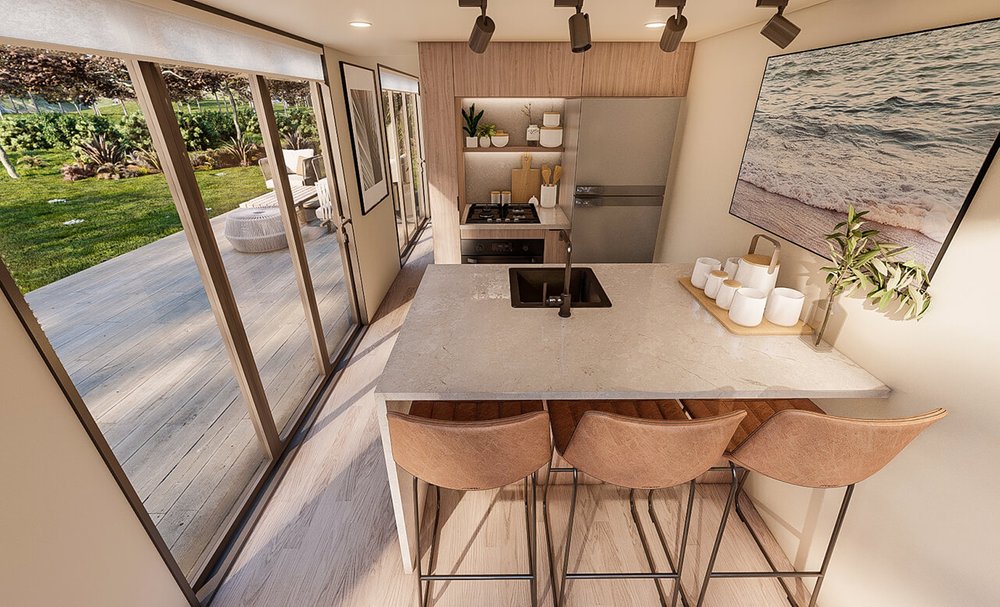
Great decorating is not about chasing trends or filling a room with expensive pieces. It’s about applying timeless design principles in a way that feels cohesive, intentional, and tailored to the people who live there. Professional decorators rely on foundational concepts that consistently transform ordinary rooms into polished, welcoming environments.
While personal style varies from minimalist to eclectic, the principles behind elevated interiors remain remarkably consistent. Understanding these fundamentals can dramatically improve how any space looks and functions.
Establishing a Strong Focal Point
Every well-designed room has a focal point — a feature that naturally draws the eye and anchors the layout. This could be a fireplace, a large window with a view, a statement light fixture, or a bold piece of artwork.
Once the focal point is identified, the rest of the room is arranged to support it rather than compete with it. Furniture placement, color accents, and decorative elements should enhance this central feature. Without a focal point, a space can feel scattered or unfinished.
Professional decorators rarely leave this to chance. They deliberately guide attention, ensuring the room feels purposeful and balanced.
Balancing Proportion and Scale
Scale and proportion are essential to creating visual harmony. Oversized furniture in a small room can feel overwhelming, while tiny pieces in a large space may appear lost.
Decorators carefully assess room dimensions before selecting furnishings. They consider ceiling height, window size, and available floor space to determine what will feel proportionate.

Balance also plays a key role. Symmetrical arrangements create a sense of order and formality, while asymmetrical layouts can feel dynamic and relaxed. Both approaches work — as long as visual weight is evenly distributed throughout the room.
For readers who want to dive deeper into these core decorating strategies, you can learn more about decoratoradvice.com, a website dedicated to practical guidance and foundational interior design advice.
Layering Lighting for Depth
Lighting is often underestimated, yet it has one of the biggest impacts on how a space feels. Rather than relying on a single overhead fixture, decorators layer lighting to add dimension and flexibility.
Ambient lighting provides overall illumination. Task lighting supports activities such as reading or cooking. Accent lighting highlights artwork, architectural details, or textured walls.
This layered approach enhances both functionality and atmosphere. A well-lit room feels warm, inviting, and thoughtfully designed.
Using Color With Intention
Color shapes mood more than almost any other design element. Professional decorators rarely choose colors randomly; they build cohesive palettes that flow naturally from room to room.
Neutral bases are often paired with controlled pops of color to maintain sophistication. Repeating certain tones throughout a space creates continuity and visual rhythm.
Rather than overwhelming a room with competing hues, decorators use color strategically to guide the eye and enhance architectural features.
Incorporating Texture and Contrast
Even a neutral room can feel rich and dynamic when texture is layered effectively. Combining smooth surfaces with tactile materials — such as wood, linen, leather, or woven fabrics — adds depth and interest.
Contrast also plays an important role. Pairing light and dark tones, matte and glossy finishes, or structured and soft elements prevents the design from feeling flat.
These subtle variations elevate a space without requiring bold or dramatic changes.

Editing and Refining
One of the most overlooked principles in decorating is restraint. Elevating a space often involves removing unnecessary items rather than adding more.
Professional decorators regularly step back and evaluate the overall composition. If something distracts from the focal point or disrupts balance, it’s reconsidered.
This editing process creates breathing room and allows key design elements to shine. A curated space feels intentional, while clutter can undermine even the best design choices.
Prioritizing Function Alongside Beauty
A beautifully decorated room must also function well for daily life. Decorators consider how people move through the space, where seating is needed, and how storage can be integrated seamlessly.
Furniture placement supports conversation and comfort. Pathways remain clear. Materials are selected not only for appearance but also for durability.
When function and beauty align, a room feels effortless rather than staged.
Fundamental decorating principles never go out of style. By focusing on focal points, balance, lighting, color, texture, editing, and functionality, decorators consistently create spaces that feel elevated and cohesive.
True sophistication comes from intention — from understanding how each element contributes to the whole and shaping a room with clarity, confidence, and purpose.
Creating Flow Between Spaces
A well-designed home feels cohesive, not disconnected. Professional decorators ensure there is a natural flow from one room to another by maintaining consistency in colors, materials, and overall style.
This doesn’t mean every room has to look the same, but there should be a visual connection—whether through repeated tones, similar textures, or complementary design elements. A smooth transition between spaces creates a sense of harmony and makes the entire home feel thoughtfully designed rather than pieced together.
Paying Attention to Negative Space
Negative space, or the empty areas around furniture and decor, is just as important as the objects themselves. Overcrowding a room can make it feel chaotic and smaller than it actually is.
Decorators intentionally leave space around key elements to allow the design to breathe. This enhances clarity, highlights focal points, and creates a more relaxed and sophisticated environment. Sometimes, what you don’t add is just as powerful as what you do.

Personalizing the Space
An elevated interior should reflect the personality and lifestyle of the people living in it. Decorators incorporate personal touches such as artwork, books, travel souvenirs, or meaningful heirlooms to make a space feel authentic.
These elements add character and prevent the room from feeling generic or overly staged. A truly successful design balances professional polish with individuality, making the space both beautiful and deeply personal.
Conclusion
Elevating a space is not about following strict rules or investing in expensive decor—it’s about understanding and applying timeless principles with intention. From establishing focal points to maintaining flow, balancing proportions, and adding personal touches, every detail plays a role in shaping a cohesive environment.
When these elements come together thoughtfully, a room transforms into more than just a visually appealing space—it becomes functional, comfortable, and reflective of the people who live in it. True design success lies in creating spaces that feel effortless, purposeful, and uniquely your own.

Share: