

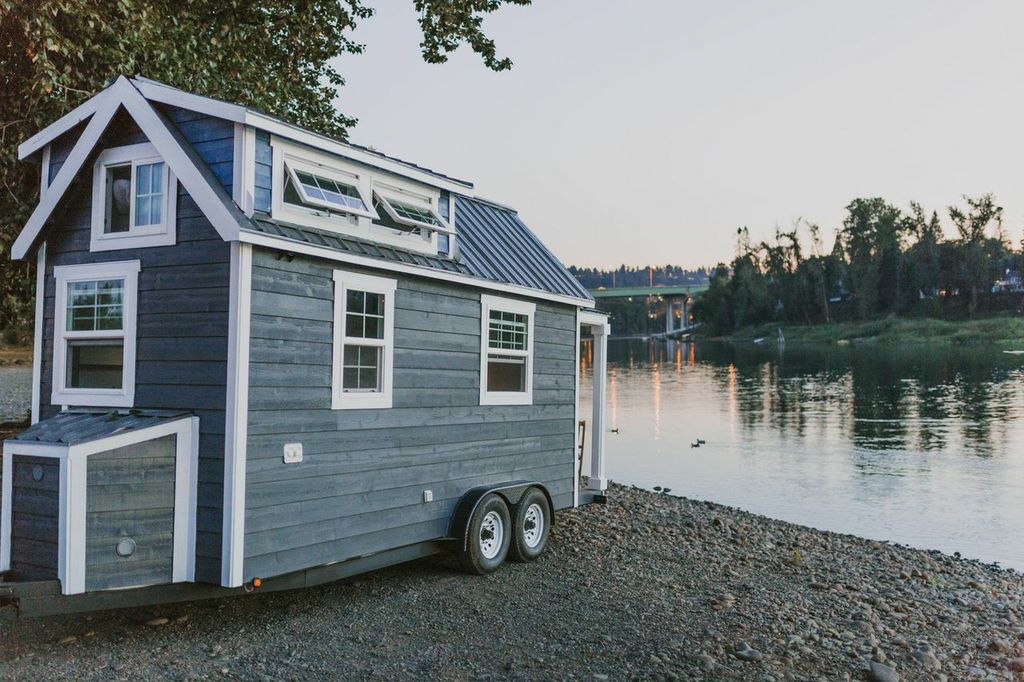
Planning the perfect road trip with your tiny house requires thoughtful preparation. You'll want to map out scenic routes and pack wisely to make the most of your limited space.
Finding the right campsites is vital, and understanding tiny house regulations can save you headaches. But there's more to ponder when you're hitting the road. What else do you need to guarantee a smooth journey? Let’s explore the essential steps to make your adventure successful.
Key Takeaways
-
Choose scenic routes and utilize travel apps to discover breathtaking views and unique attractions along the way.
-
Create a comprehensive packing list that includes essentials, tools, and outdoor equipment to ensure a comfortable trip.
-
Optimize space in your tiny house with multifunctional furniture and clever storage solutions for an organized living area.
-
Research and reserve tiny house-friendly campsites in advance, considering accessibility and scenic surroundings.
-
Budget for fuel, maintenance, campsite fees, and unexpected expenses to keep your finances on track during the trip.
How to Plan Your Tiny House Road Trip Route
When planning your tiny house road trip route, it's essential to contemplate both your destination and the journey itself. You want to choose scenic routes that offer breathtaking views and unique stops.
Researching these routes can make your trip more enjoyable and memorable. Utilize travel apps to help you find the best paths, track your progress, and even discover local attractions along the way. Apps like Roadtrippers or Google Maps can provide recommendations for scenic drives, campgrounds, and hidden gems.
Don’t forget to factor in your tiny house’s size and weight when selecting roads. By carefully mapping out your route, you’ll guarantee a smooth and enjoyable adventure, making the most of both the journey and the destination.
Must-Pack Essentials for Your Tiny House Road Trip
What should you pack for a tiny house road trip? Start with a solid packing list that covers all your essentials.
Don’t forget essential tools for minor repairs and maintenance. Opt for space-saving furniture to maximize comfort without sacrificing space.
Pack kitchen supplies like utensils, pots, and non-perishable food items to whip up meals on the go.
Your travel gear should include comfortable clothes, sturdy shoes, and weather-appropriate items.
Outdoor equipment like camping gear, a portable grill, and recreational gear will enhance your experience.
Finally, include personal items such as toiletries, books, and anything else that makes your tiny house feel like home.
With these essentials, you’re all set for an unforgettable adventure!
Maximize Space in Your Tiny House
To make the most of your tiny house, you'll need to embrace smart organization and multifunctional furniture.
Start by investing in pieces that serve multiple purposes, like a sofa that converts into a bed or a dining table with built-in storage.
Use vertical space by adding shelves and hooks to keep belongings off the floor.
Consider space saving hacks like collapsible kitchenware and nesting furniture that can be tucked away when not in use.
Maximize hidden storage under beds and in staircases to keep things tidy.
Finally, declutter regularly to maintain an open feel.
Locate the Best Campsites for Your Tiny House
After maximizing space in your tiny house, it's time to find the perfect spots to park it on your road trip. Start by checking out campground reviews online. These insights can help you identify which sites accommodate tiny houses and offer the amenities you need.
Look for places with easy access and scenic views to enhance your experience.
When planning, don’t forget to use reservation tips. Many popular campsites fill up quickly, so booking in advance is essential.
Consider off-peak times for more availability. Also, call ahead to confirm that your tiny house fits their size restrictions.
With careful planning, you’ll discover amazing campsites that make your road trip unforgettable.
Happy travels!
Making Your Tiny House Comfortable on the Road
While you're on the road, making your tiny house feel like home is essential for a comfortable trip. Start by choosing cozy furnishings that invite relaxation, like soft cushions and warm blankets.
Utilize portable decor to personalize your space without taking up too much room. Focus on space optimization with efficient storage solutions, ensuring everything has its place.
Consider multi-use furniture that serves dual purposes, like a dining table that converts into a workspace. For climate control, invest in fans or portable heaters to maintain comfort regardless of the weather.
Finally, embrace outdoor living by setting up a cozy seating area outside to enjoy nature while still feeling at home. With these tips, your tiny house will be a haven on wheels!
Must-Have Gadgets for Tiny House Travel
Creating a cozy atmosphere in your tiny house sets the stage for an enjoyable journey, but having the right gadgets can elevate your travel experience even further.
Equip yourself with solar chargers to keep your devices powered on the go. Portable refrigerators guarantee your food stays fresh, while compact cookware makes meal prep a breeze.
Consider travel-friendly furniture that maximizes space and comfort. Don’t forget wireless speakers to set the mood with your favorite tunes.
Multi-functional tools can save you space and effort, and outdoor gear is essential for adventures along the way.
Finally, pack some camping gadgets to enhance your outdoor experiences. With these must-have items, your tiny house road trip will be both fun and functional.
Off-Grid Living: Water and Power Tips
When you're on the road with a tiny house, guaranteeing a reliable water and power supply is essential for off-grid living. Start by implementing rainwater harvesting systems. Install guttering and storage tanks to collect rainwater, which can be filtered for drinking and daily use. This not only conserves water but also helps you stay self-sufficient.
For power, solar power is your best friend. Invest in portable solar panels to generate electricity on the go. These panels can charge your devices, run appliances, and power lights. Ascertain your system includes a good battery bank to store energy for cloudy days.
Understanding Tiny House Regulations While Traveling
Understanding the regulations surrounding tiny houses is essential for a smooth road trip. Before you hit the road, familiarize yourself with tiny house zoning laws in each area you plan to visit. These laws can vary greatly, and knowing them can save you from potential fines or having to relocate unexpectedly.
Additionally, check whether you need travel permits for your tiny house, especially if it exceeds certain dimensions or weight limits. Some states require specific permits for oversized vehicles, so it’s worth doing your homework.
Stay informed about local regulations regarding parking and overnight stays, which can differ from one location to another. By staying compliant, you can enjoy your journey without unnecessary stress.
Budgeting Your Tiny House Road Trip: Key Costs to Consider
As you plan your tiny house road trip, budgeting effectively is essential to guarantee you don’t overspend.
Start by estimating fuel costs, which can add up quickly. Don’t forget to factor in maintenance expenses to keep your tiny house running smoothly.
Check your insurance premiums; they might increase with travel. For food budgeting, consider cooking meals in your tiny kitchen to save money.
Look into campsite fees, as they vary by location and amenities. If you need travel permits, research these costs beforehand.
Also, invest in roadside assistance for peace of mind. Finally, set aside an emergency fund for unexpected expenses.
With careful planning, you can enjoy your adventure without financial stress.
Sharing Your Tiny House Journey: Blogging and Vlogging Tips
Sharing your tiny house journey can be an exciting way to connect with others, especially if you document your experiences through blogging or vlogging.
Start with a clear niche focus to attract your ideal audience. Use effective blogging strategies like content planning to keep your posts organized and relevant.
For vlogging, explore engaging storytelling methods that showcase the uniqueness of your tiny house adventures. Don’t forget to select the right platforms—YouTube for videos, WordPress for blogs—to maximize your reach.
To enhance audience engagement, interact with your followers through comments and social media.
Finally, apply solid editing tips to polish your content and maintain professionalism, ensuring your journey resonates with viewers and readers alike.
Conclusion
Planning the perfect road trip with your tiny house can be an exciting adventure! By mapping your route, packing smart, and finding the best campsites, you'll set yourself up for success.
Keep your tiny house cozy and functional while staying aware of regulations and budgeting wisely. Don’t forget to document your journey—sharing your experiences can inspire others. Embrace the freedom of the open road, and enjoy every moment of your tiny house adventure!
Share: