

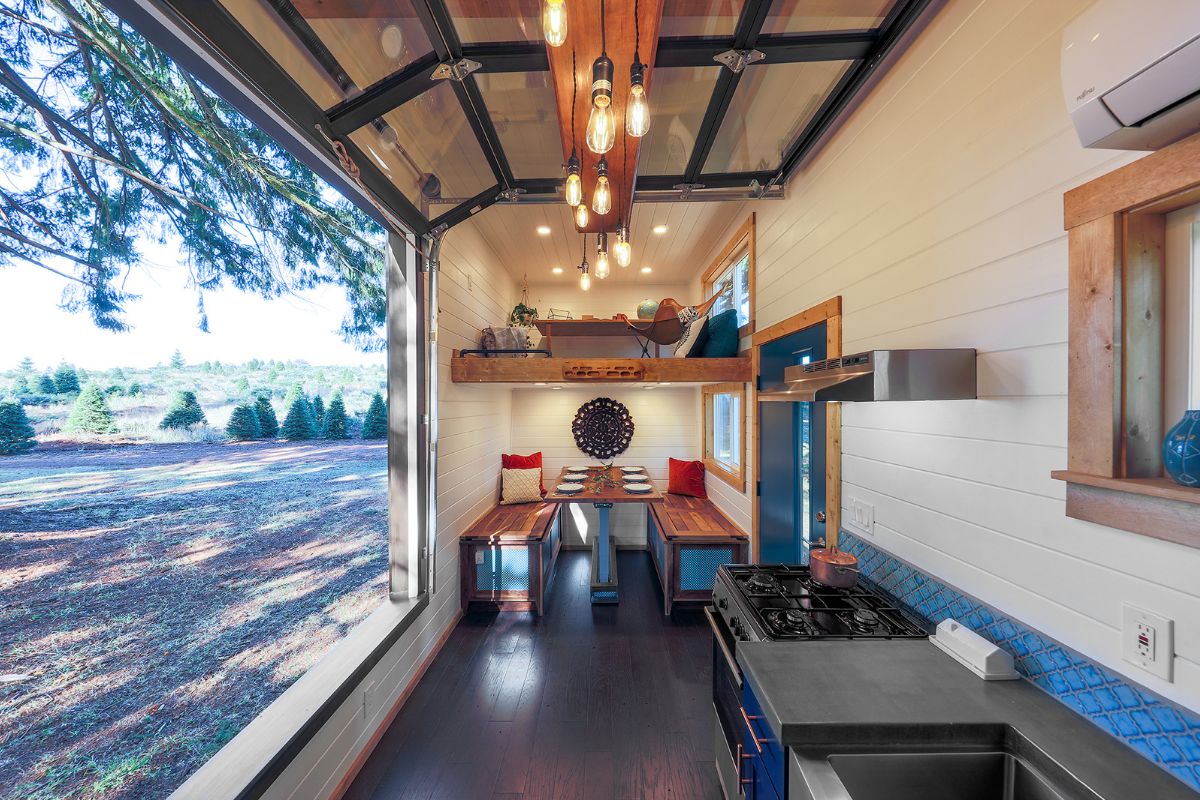
Traveling in a tiny house presents unique challenges, especially when it comes to maximizing space. You’ll need to think creatively about furniture and storage solutions to make every inch count. From multifunctional pieces to smart organization strategies, there are practical ways to enhance your living area. Discover how to optimize your layout and maintain a minimalist lifestyle, ensuring your tiny house feels spacious and functional, no matter where you go.
Key Takeaways
-
Utilize multifunctional furniture, like convertible sofas and foldable tables, to optimize living space and enhance usability in your tiny house.
-
Implement smart storage solutions, including hidden compartments and vertical shelving, to maximize organization and minimize clutter.
-
Pack efficiently by prioritizing essential items and using stackable containers to save space in cabinets and pantry.
-
Organize your kitchen with magnetic strips for utensils and pots hung on walls to clear counter space and enhance functionality.
-
Create inviting outdoor areas with foldable seating and portable cooking options to extend your living space beyond the tiny house.
What Are the Biggest Challenges of Tiny House Travel?
When you hit the road in a tiny house, you quickly realize that space isn't just limited—it's a challenge. Maneuvering tiny house logistics means carefully planning every detail of your journey.
You’ll face unique travel restrictions that require you to reflect ahead, from height limits to weight constraints. Finding suitable parking spots can be tricky, and some areas mightn't even accommodate your home on wheels.
You’ll need to take into account local regulations, too; not all regions welcome tiny houses. Packing efficiently is essential, as you'll quickly run out of room for essentials.
Embrace minimalism and focus on what truly matters. By anticipating these challenges, you can enjoy the freedom and adventure that tiny house travel offers.

Multifunctional Furniture: Maximize Your Space
To make the most of your tiny house, incorporating multifunctional furniture is key. Look for space-saving designs that serve multiple purposes.
For instance, a sofa that converts into a bed can double as a cozy seating area by day and a restful sleeping space by night. Consider a dining table that folds down when not in use, freeing up valuable floor space.
Invest in ottomans with hidden storage for extra blankets or books, maximizing every inch. When choosing furniture, prioritize convertible pieces that adapt to your needs, whether you’re working, entertaining, or relaxing.
Smart Storage Solutions: Making Every Inch Count
While living in a tiny house presents unique challenges, smart storage solutions can help you make every inch count.
Start by integrating hidden compartments into your furniture; think beds with drawers or ottomans that open up for storage. These clever designs keep your space tidy while providing extra room for your belongings.
Modular designs are another excellent option, allowing you to customize your storage to fit your specific needs. Use stackable bins or shelves that can be easily reconfigured as your space changes.
Don’t forget vertical storage—wall-mounted shelves and hooks can free up floor space while keeping your essentials accessible.
Maximize Kitchen Efficiency: Tips for Tiny Spaces
Maximizing kitchen efficiency in a tiny space requires thoughtful planning and clever organization. Start by choosing multifunctional kitchen gadgets that save space and time, like compact food processors or collapsible measuring cups.
Organize your pantry and cabinets with stackable containers to make meal prep easier and more streamlined. Use magnetic strips for knives and spices, freeing up valuable counter space.
Consider a fold-down table for extra prep area when needed, and always keep a designated spot for each item to minimize clutter. Hang pots and pans to maximize vertical space, and utilize drawer dividers to keep utensils organized.
With these strategies, you’ll transform your tiny kitchen into an efficient cooking haven.
Outdoor Living: Expanding Your Tiny House Experience
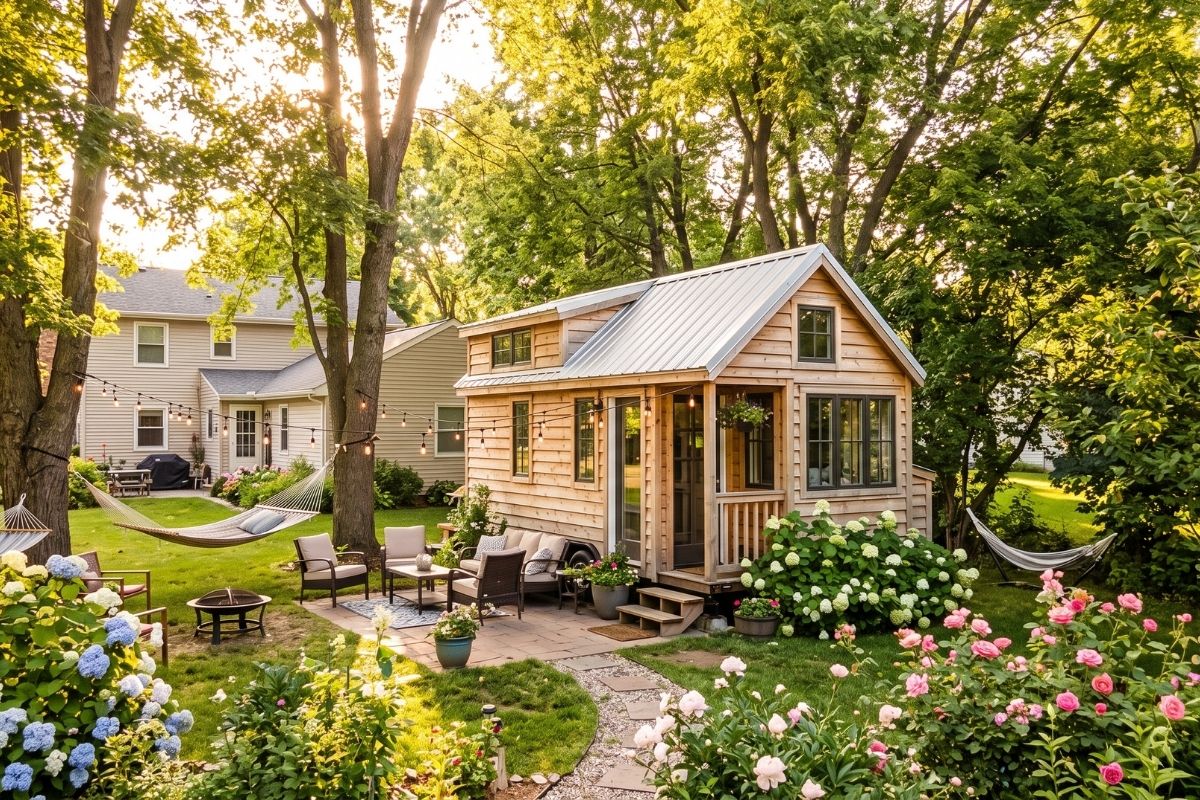
Creating an inviting outdoor space can greatly enhance your tiny house experience, especially when indoor square footage is limited.
Start by setting up a cozy seating area with foldable chairs and a compact table. This gives you a perfect spot for meals or relaxation.
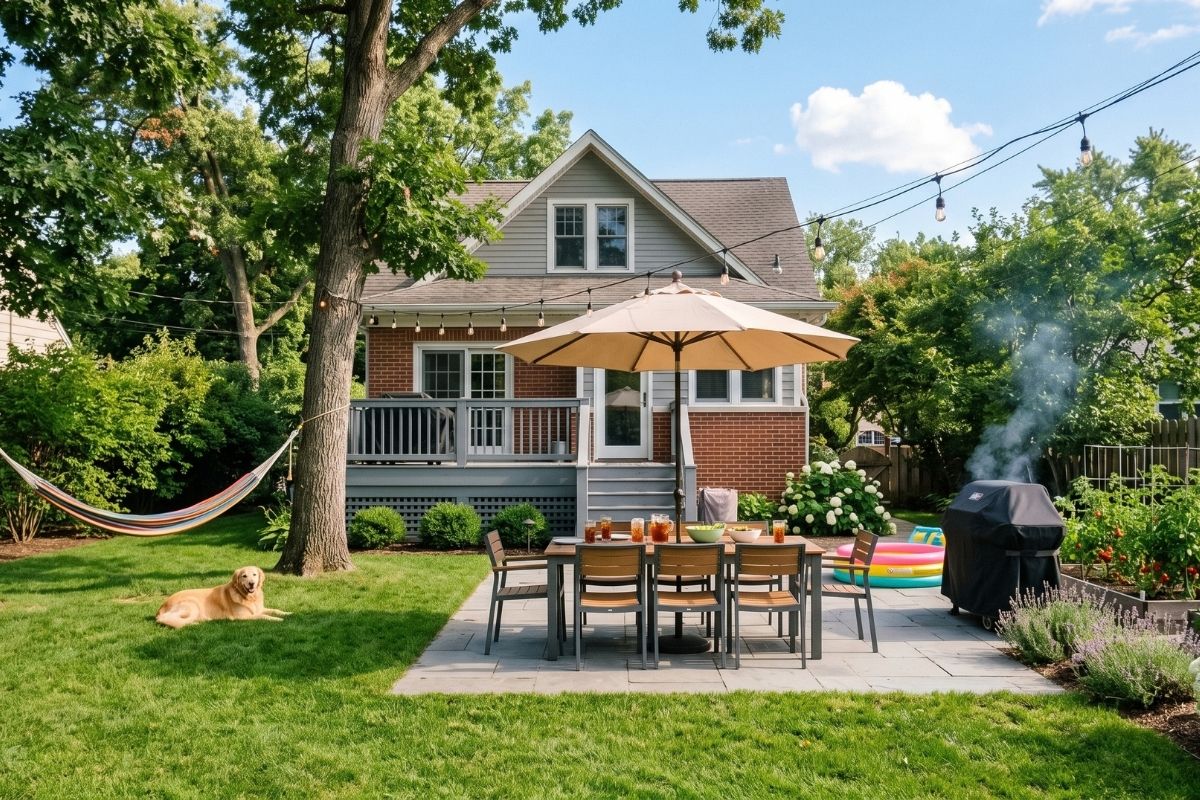
Incorporate outdoor cooking with a portable grill or a small fire pit, allowing you to enjoy nature while whipping up delicious meals.
Consider adding plants or a vertical garden to boost nature integration, creating a serene environment that feels larger.
Use outdoor rugs to define spaces and add comfort.
Finally, make use of string lights or lanterns to create a warm ambiance for evening gatherings.
With these touches, your outdoor living area becomes an extension of your tiny home.
Packing Smart: Tips for Tiny House Adventures
Packing smart is essential when heading out for adventures in your tiny house, as every inch counts.
Start with travel essentials: prioritize lightweight gear and travel-friendly clothing that folds easily. Use packing cubes to keep your items organized, making efficient packing a breeze.
Invest in compact appliances that serve multiple purposes, saving both space and weight. Consider space-saving tools like collapsible containers or multi-use utensils to maximize your kitchen area.
Don’t forget organization hacks—labeling your packing cubes can save time when you’re on the go.
Finally, keep your tiny house clutter-free by packing only what you truly need.
With these strategies, you’ll make the most of your limited space while enjoying your travels.
Utilizing Vertical Space: Shelving and Hooks
When you're living in a tiny house, utilizing vertical space can transform your environment and make it feel larger.
Start by exploring various shelving styles—floating shelves, corner units, or even ladder shelves. These can hold books, plants, or kitchenware, keeping surfaces clear.
Incorporate hooks on walls for items like coats, bags, or kitchen utensils. This not only saves floor space but also adds a functional touch to your decor.
You can also hang wall art above shelves to create visual interest without sacrificing space.
Create a Cozy, Flexible Living Space in Your Tiny House
Maximizing vertical space not only keeps your tiny house organized but also sets the stage for a cozy, flexible living area.
Use multifunctional furniture, like a sofa bed or an ottoman with storage, to adapt to your needs. Incorporate cozy decor, such as soft throws and layered lighting, to create warmth and a welcoming vibe.
Choose flexible layouts that allow you to rearrange furniture easily, making the space feel larger and more inviting. Consider foldable tables or wall-mounted desks that can be tucked away when not in use.
Maintaining Minimalism: Travel Tips for Tiny Houses

To maintain minimalism while traveling in a tiny house, focus on essential items that serve multiple purposes. Embrace a minimalist mindset by evaluating each item's utility before packing.
Prioritize versatile clothing that can mix and match, and opt for collapsible kitchenware that saves space. When choosing gear, consider items that support intentional living—like a compact, multifunctional tool instead of several separate ones.
Limit personal items and decorative pieces to what truly resonates with you. This not only reduces clutter but also enhances your travel experience.
Optimizing Your Tiny House Layout: Zoning and Flow
Optimizing your tiny house layout is essential for creating a functional and inviting space.
Start with effective layout design that prioritizes space efficiency and flow optimization. Divide your home into functional zoning, ensuring each area serves a purpose.
Use area delineation techniques, like rugs or furniture arrangement, to separate activity zones without sacrificing openness. Consider movement patterns; design pathways that allow easy navigation between zones.
Incorporate flexible layouts that adapt to your needs, such as foldable furniture or convertible spaces. This way, you maximize every square inch while maintaining comfort and accessibility.
Conclusion
By embracing multifunctional furniture and smart storage solutions, you can transform your tiny house into a comfortable and efficient travel home. Maximize your kitchen space, utilize vertical areas, and enhance your outdoor living to create a welcoming atmosphere. Staying organized and maintaining a minimalist approach will help you enjoy every adventure. Remember, with thoughtful planning and creative design, you can make the most of your tiny house experience, no matter where the road takes you.
Share: