

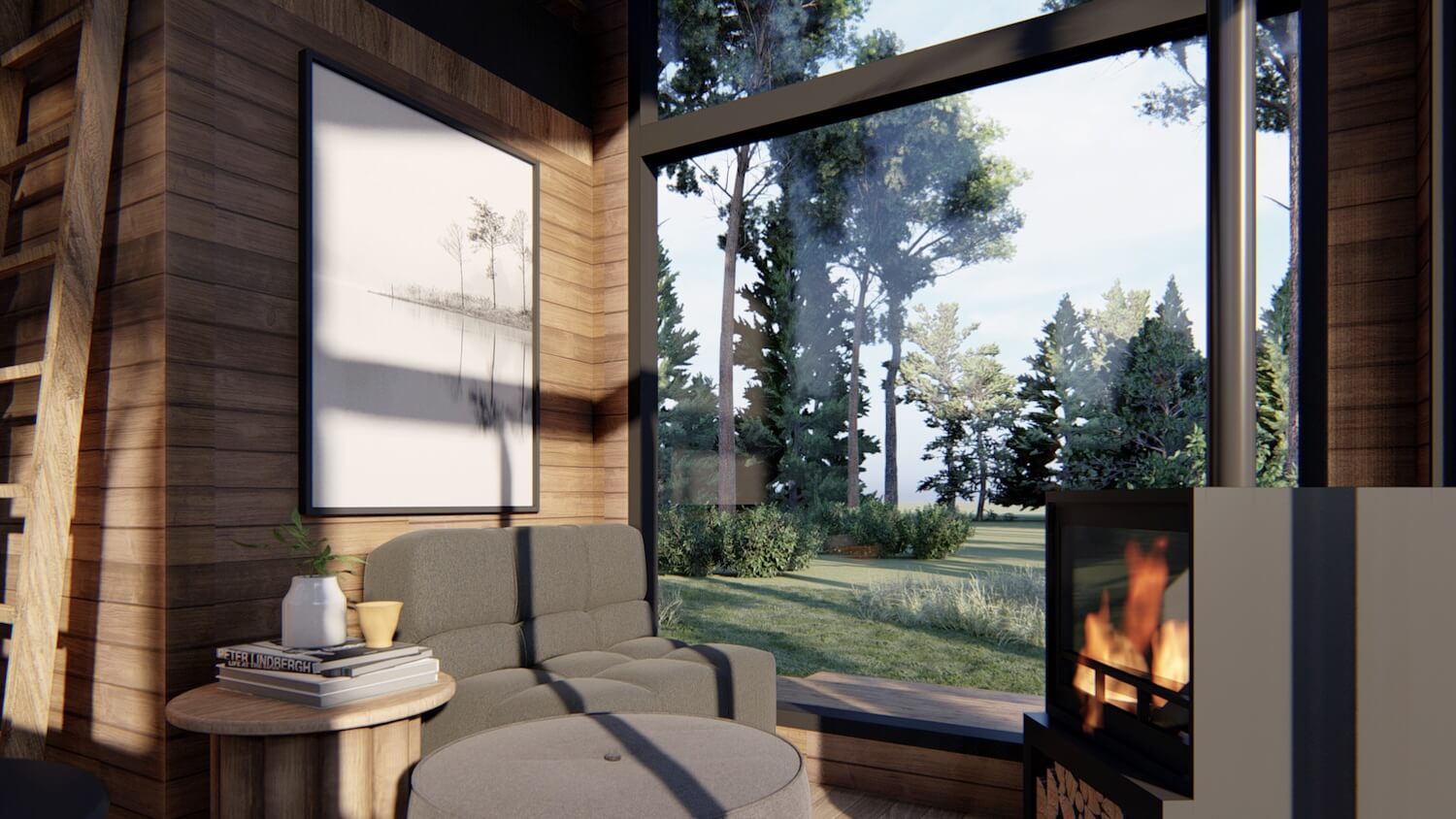
Maximizing airflow and ventilation in your tiny house during summer is essential for comfort and energy efficiency. You can achieve this by strategically positioning windows, using fans, and implementing shade solutions.
By understanding how each element interacts, you'll create a revitalizing environment that minimizes heat buildup. But what specific strategies can you employ to guarantee ideal air circulation throughout your space?
Key Takeaways
-
Position windows on opposite walls to create effective cross ventilation, enhancing airflow throughout the tiny house.
-
Use ceiling fans to circulate air, creating a cooling breeze and improving comfort during hot summer days.
-
Install shade structures like awnings or pergolas to reduce direct sunlight and minimize indoor heat gain.
-
Utilize portable and window fans to draw in cooler evening air and expel hot air efficiently.
-
Consider a heat recovery ventilator for regulated air exchange, maintaining fresh indoor air quality.
Optimize Window Placement for Natural Airflow
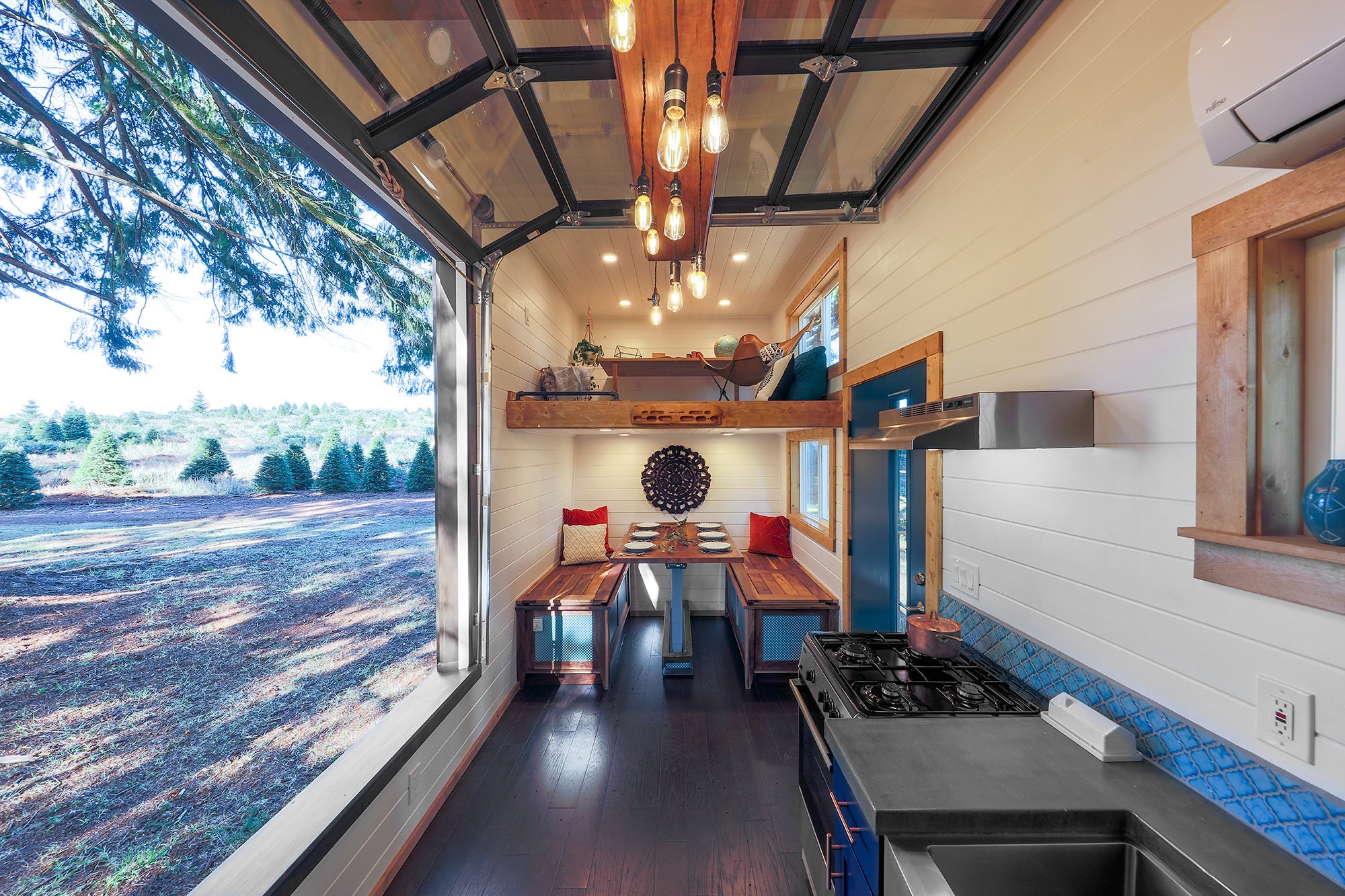
To maximize natural airflow in your tiny house, you’ll want to carefully consider window placement. Start by applying cross ventilation techniques; position windows on opposite walls to create a direct airflow path. This method guarantees fresh air enters from one side while stale air exits from the other.
When selecting window orientation tips, consider the sun’s trajectory. South-facing windows capture sunlight but may increase heat; opt for shading solutions like awnings.
Conversely, east and west-facing windows offer morning and evening breezes. Incorporate operable windows at varying heights to enhance airflow dynamics; lower openings draw in cooler air, while higher ones expel warm air.
This strategic placement will help maintain a comfortable environment in your tiny house.

Use Fans to Boost Airflow
While natural ventilation is essential, using fans can greatly enhance airflow in your tiny house. Ceiling fans circulate air effectively, creating a cooling breeze and helping to distribute warmth in cooler months.
Position portable fans strategically near windows to draw in fresh air or push hot air out. Window fans are particularly beneficial; install them to pull in cooler evening air while exhausting warmer air during the day.
Exhaust fans in kitchens and bathrooms remove humidity and odors, improving overall air quality.
Reduce Heat Gain With Shade Solutions
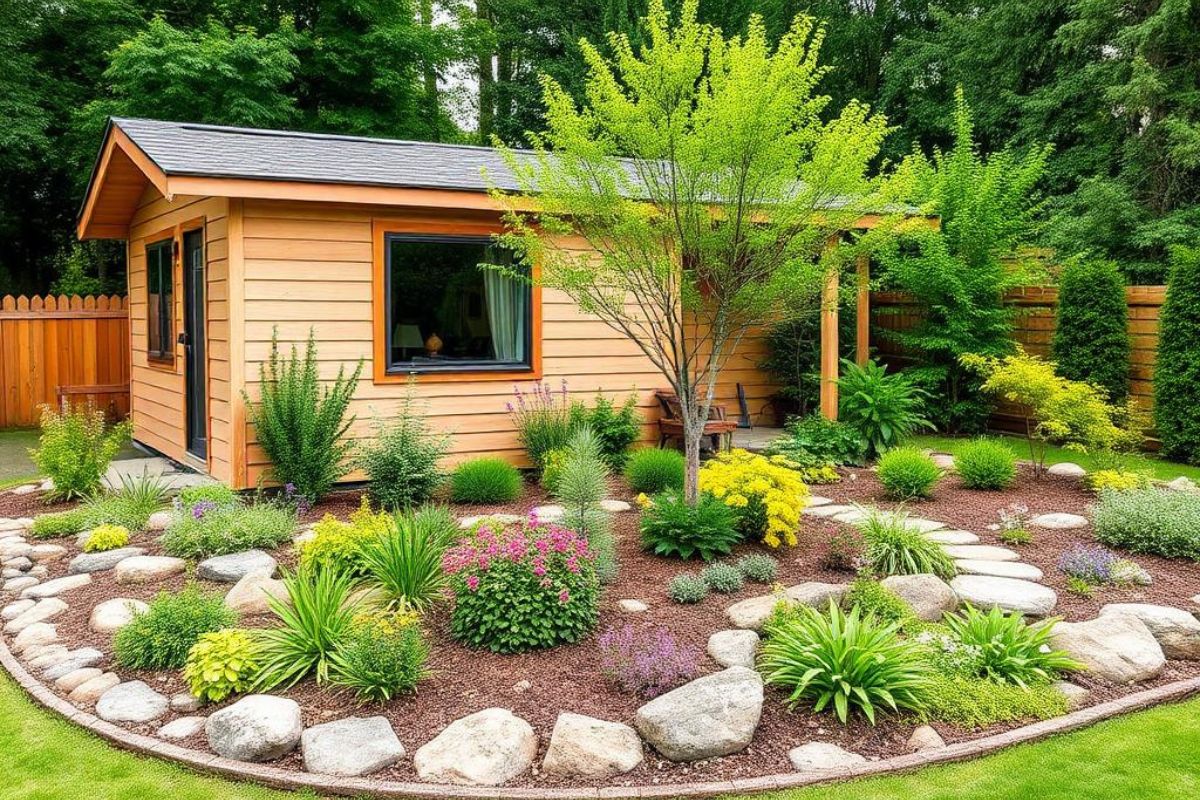
Incorporating effective shade solutions not only enhances comfort but also greatly reduces heat gain in your tiny house. By installing shade structures, such as pergolas or trellises, you can block direct sunlight and minimize thermal absorption.
Consider using climbing plants to provide natural insulation, creating a cooler environment. Additionally, window awnings are crucial; they deflect sunlight before it hits your glass, considerably lowering indoor temperatures.
Opt for retractable awnings for flexibility, allowing you to adjust based on the sun's position. Make sure your shade solutions are strategically placed to maximize coverage during peak sun hours, preventing excessive heat buildup.
With these measures, you’ll maintain a more comfortable living space while reducing reliance on energy-intensive cooling systems.
Energy-Efficient Cooling Options for Tiny Houses
After implementing effective shade solutions, it's time to explore energy-efficient cooling options tailored for tiny houses.
Consider installing solar powered fans, which harness sunlight to circulate air without increasing your energy bills. These fans can be strategically placed near windows or in loft spaces to enhance airflow.
Additionally, focus on maximizing your thermal insulation; it minimizes heat transfer, keeping your interior cooler. Use insulated panels in walls and roofs to reduce the need for active cooling.
For even greater efficiency, invest in thermal curtains that block heat during peak hours.
Combining these strategies creates a more comfortable living environment while reducing energy consumption. Make your tiny house a haven of coolness without compromising sustainability.

Improve Indoor Air Quality With Effective Ventilation
To maintain a healthy living environment in your tiny house, you need effective ventilation that promotes good indoor air quality.
Start by installing exhaust fans in areas like kitchens and bathrooms to remove humidity and odors.
Use cross-ventilation by strategically placing windows and vents across from each other, enhancing airflow.
Consider incorporating a heat recovery ventilator (HRV) to regulate air exchange while controlling humidity levels.
Monitor indoor humidity with a hygrometer; aim for levels between 30-50% to prevent mold growth and maintain air quality.
Regularly change or clean filters in your HVAC system to enhance efficiency and reduce airborne pollutants.
Conclusion
To maximize airflow and ventilation in your tiny house during summer, focus on strategic window placement and effective use of fans. Implement shade solutions to cut down on heat gain, and consider energy-efficient cooling options to maintain comfort.
Don't overlook the importance of effective exhaust systems to guarantee good indoor air quality. By integrating these approaches, you’ll create a cooler, more breathable environment that enhances your living experience while promoting energy efficiency
Share: