

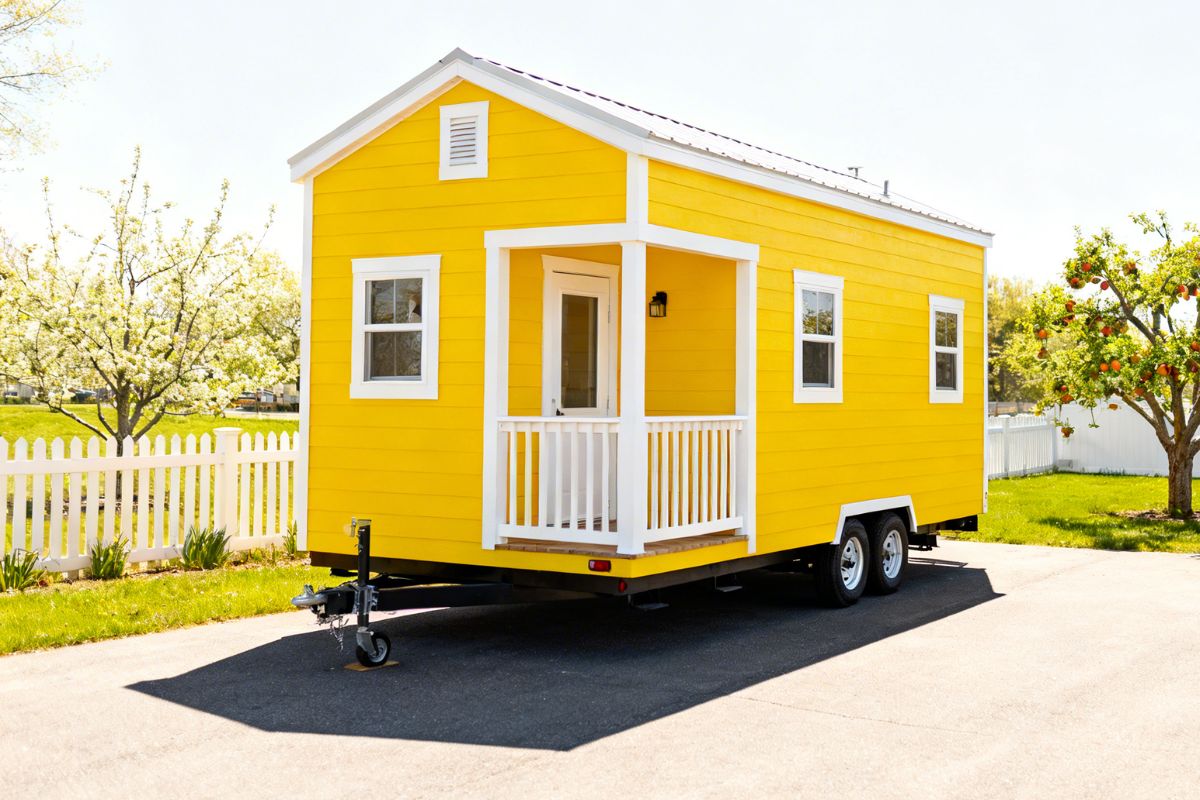
Keeping your tiny house cool in summer without air conditioning is not only possible but also sustainable. You can harness natural ventilation, create shade, and use reflective materials to minimize heat gain. By implementing these strategies, you can enjoy a comfortable indoor environment while reducing your energy footprint.
Curious about the specific techniques that can help you maintain a pleasant atmosphere? Let’s explore some practical solutions to beat the heat effectively.
Key Takeaways
-
Utilize reflective window materials and shades to minimize heat gain during peak sunlight hours.
-
Implement strategic landscaping with trees and awnings to create natural shade.
-
Optimize ventilation by opening windows for cross breezes during cooler times of the day.
-
Use indoor plants to regulate humidity and improve air quality while absorbing heat.
-
Ensure proper insulation in walls and roofs to retain cool air and enhance comfort.
Practical Strategies to Stay Cool in a Tiny House
When summer heat hits, you’ll want to keep your tiny house as cool as possible without cranking up the air conditioning. Start by implementing passive cooling techniques, like strategic shading from trees or awnings. This blocks direct sunlight and reduces heat gain. Use reflective materials on windows or install shades to keep the sun at bay.
Additionally, focus on moisture control. Dehumidifiers can help maintain a comfortable humidity level, making the heat feel less oppressive. Consider placing plants that naturally absorb moisture, improving air quality while enhancing your space.
Finally, verify proper insulation in your walls and roof to keep cool air in and hot air out, making your tiny house a revitalizing retreat during those sweltering days.

Use Natural Ventilation to Keep Your Space Fresh
To keep your tiny house feeling new during the summer, harnessing natural ventilation can be incredibly effective.
Start by optimizing your window placement. Open windows on opposite sides of your home to create a cross breeze, enhancing air flow. Positioning windows higher can also help, as warm air rises and exits through those openings, drawing in cooler air from below.
Be mindful of the time of day; opening windows during cooler mornings and evenings maximizes brisk air flow while keeping your space comfortable.
You can also consider installing vents or using ceiling fans in tandem with your windows to further circulate air.
Create Shade: Natural Solutions for Blocking Heat
Creating shade around your tiny house can significantly reduce indoor temperatures and enhance comfort during the sweltering summer months.
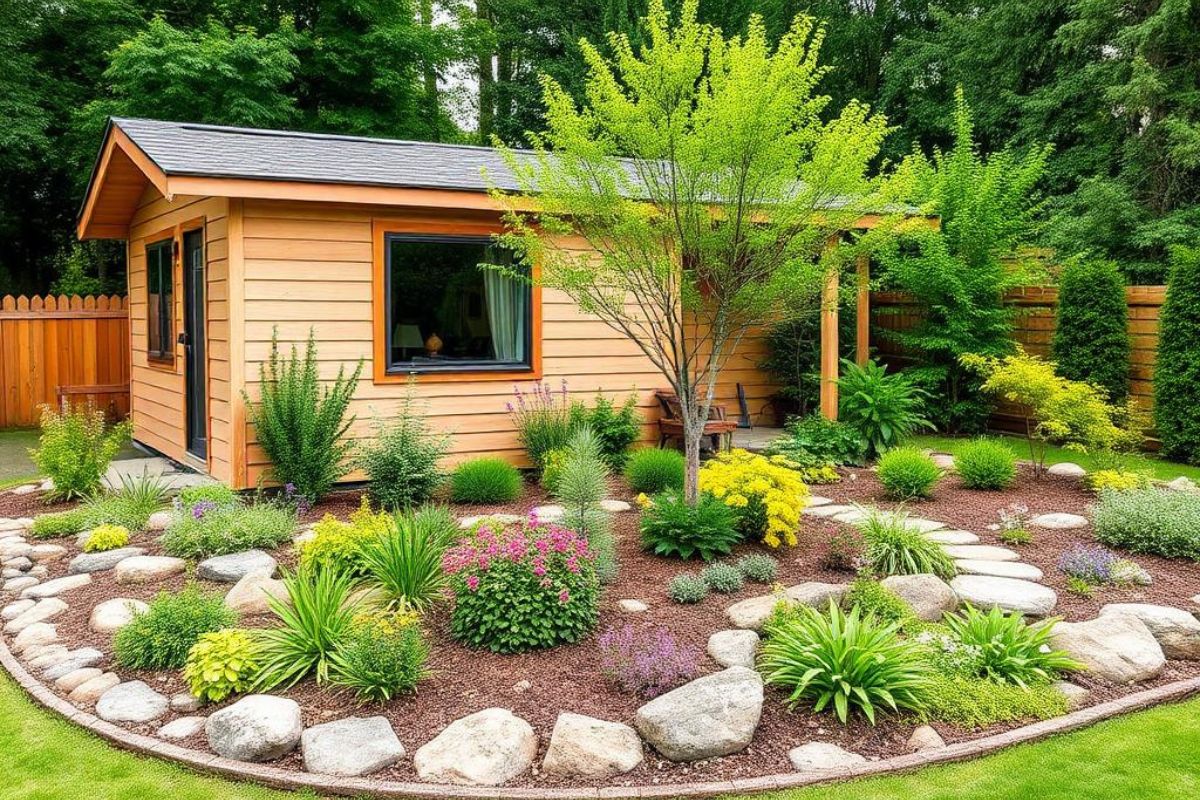
Start with strategic landscaping; plant trees that provide shade without blocking your views. Consider the placement of a pergola to create a stylish, shaded outdoor space, perfect for relaxation.
Awning installation on windows can block direct sunlight, keeping your interiors cooler. For added flair, use outdoor curtains that can be drawn to shield against the sun.
Integrate various shade structures, like trellises or shade sails, to maximize your outdoor areas while minimizing heat.
Choose Energy-Efficient Insulation Materials
Choosing energy-efficient insulation materials is essential for keeping your tiny house cool in summer.
Start by exploring various insulation types, like spray foam, cellulose, and mineral wool. Each offers unique material benefits that enhance energy efficiency.
For instance, spray foam creates an airtight seal, preventing heat transfer, while cellulose is made from recycled paper, making it eco-friendly.
Mineral wool not only insulates but also provides fire resistance.
Utilize Reflective Roofs to Reduce Heat Absorption
Incorporating reflective roofs can greatly cut down heat absorption in your tiny house, enhancing overall comfort during those hot summer months. By choosing roof materials with reflective coatings, you can effectively deflect sunlight and reduce indoor temperatures.
Light-colored or metallic roofing options are particularly effective, as they reflect more sunlight compared to traditional dark shingles.
Consider applying reflective coatings to your existing roof if a full replacement isn’t feasible. This simple upgrade can greatly lower the heat your home absorbs, leading to reduced energy costs and a more sustainable living environment.
Add Indoor Plants to Enhance Cooling
While you mightn't think of indoor plants as a cooling solution, they can greatly enhance your tiny house's comfort during summer.
Plants naturally regulate indoor humidity, creating a more pleasant atmosphere. By strategically placing them throughout your space, you can maximize their cooling effects.
For instance, larger plants like fiddle leaf figs can help absorb heat while smaller ones like peace lilies improve air purification.
These plants not only filter toxins but also release moisture into the air, which aids in temperature regulation.
Choose a variety of plants that thrive indoors to create a cozy, breathable environment.
With the right plant placement, you'll find your tiny house feels fresher and cooler, making summer days much more enjoyable.
Use Fans to Cool and Circulate Air
Using fans to cool and circulate air can make a noticeable difference in your tiny house during the summer months.
Start by strategically positioning your fans to enhance airflow patterns. Place one fan near a window to pull in cooler air from outside, while another can push hot air out from the opposite side. This setup creates a cross-ventilation effect that helps maintain a comfortable temperature.
Additionally, ceiling fans can be set to rotate counterclockwise, directing cool air downward.
Remember to keep doors open to maximize airflow and improve circulation throughout your space.
Best Window Designs for Effective Cross-Ventilation
To enhance your tiny house’s cooling strategy, selecting the right window designs can greatly improve cross-ventilation.
Start by considering window placement; position windows on opposite walls to create a natural airflow.
For effective ventilation types, opt for casement or awning windows, which can be opened at different angles to catch breezes.
Installing larger windows can also help, as they allow more air exchange.
Using strategically placed transom windows above doors can facilitate airflow without sacrificing privacy.
Additionally, consider installing screens to keep bugs out while promoting fresh air circulation.

How Can Thermal Mass Help Keep Your Tiny House Cool?
Incorporating thermal mass into your tiny house design can greatly enhance its ability to stay cool during the sweltering summer months. By utilizing materials like concrete, brick, or stone, you can benefit from their thermal absorption properties.
These materials absorb heat during the day, preventing your indoor space from overheating. As temperatures drop in the evening, they release stored heat, helping to regulate indoor temperatures naturally. This temperature regulation minimizes your reliance on air conditioning, making your home more eco-friendly and energy-efficient.
Additionally, strategically placing thermal mass elements near windows can optimize their effectiveness, allowing you to harness natural cooling while maintaining comfort.
Embrace thermal mass for a sustainable, cooler living environment this summer.
DIY Cooling Hacks for Tiny Homes
As summer heat settles in, finding effective DIY cooling hacks for your tiny home can make a world of difference in comfort.
Start by installing solar shading on windows with reflective films or outdoor awnings to block direct sunlight. This simple step reduces indoor temperatures considerably.
Next, consider creating an evaporative cooling system. Fill a shallow pan with water and place it near a fan; as the air blows over the water, it cools the space naturally.
You can also use damp curtains to enhance this effect.
Finally, plant greenery around your home to provide shade and promote cooling through natural transpiration.
These eco-friendly solutions will keep your tiny home comfortable without relying on air conditioning.
Conclusion
By incorporating these passive cooling strategies, you can keep your tiny house comfortable all summer long without relying on air conditioning. Focus on natural ventilation, effective shading, and energy-efficient materials to create a cooler living environment.
Don’t forget to use fans and consider thermal mass to further enhance your home's comfort. With a little planning and creativity, you can enjoy a rejuvenating oasis while being eco-conscious and energy-efficient. Embrace these tips and stay cool sustainably!
Share: