

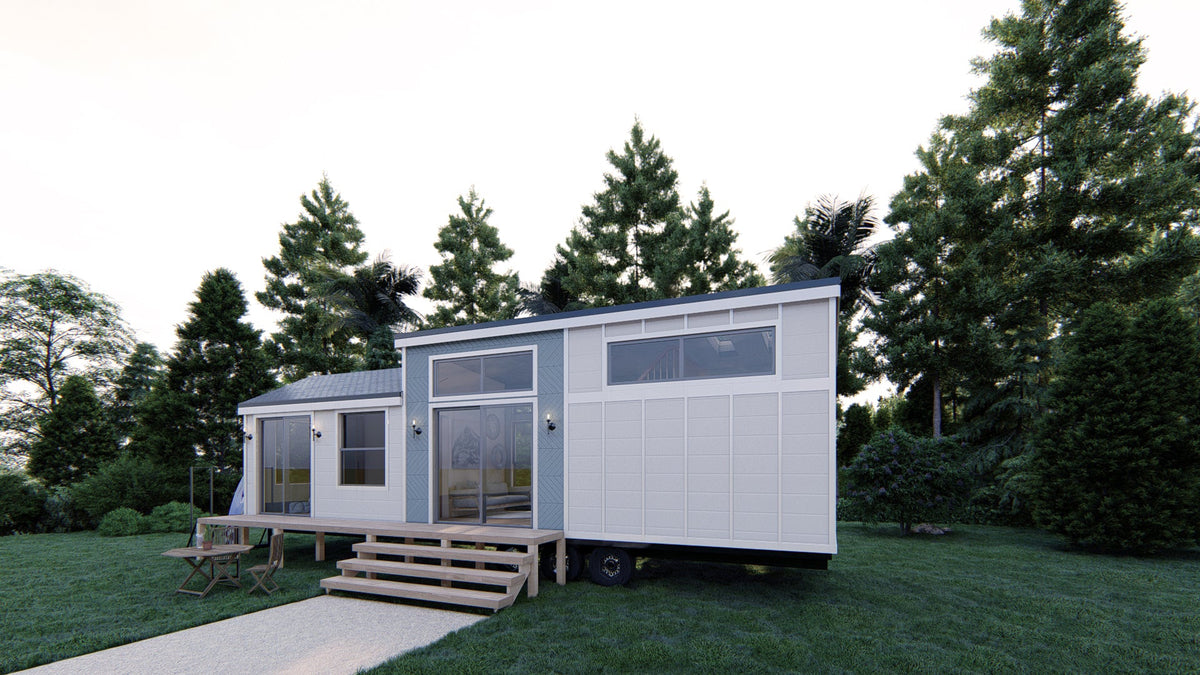
When it comes to insulating your tiny house for summer comfort, understanding the key materials and techniques is essential. You’ll want to focus on reflective barriers, effective window solutions, and proper ventilation to keep the heat at bay.
Each choice impacts energy efficiency and overall comfort. As you consider your options, keep in mind the common pitfalls that can undermine your efforts. Let’s explore the most effective strategies for a cool, comfortable living space.
Key Takeaways
-
Use foam board insulation to provide high thermal resistance and minimize air leaks in walls and roofing.
-
Install double-glazed windows to significantly reduce heat transfer and enhance comfort.
-
Apply radiant barriers in roof sheathing to reflect heat away from the interior.
-
Utilize insulated curtains and window films to block sunlight and control indoor temperatures.
-
Ensure proper sealing around windows and doors with weather stripping to prevent heat infiltration.
How to Insulate Your Tiny Home for Summer Comfort
To guarantee your tiny home stays cool during the sweltering summer months, it’s crucial to focus on effective insulation strategies.
Start by incorporating energy-efficient systems, which help maintain a stable indoor temperature. Consider using reflective barriers in your walls and roofing to deflect heat.
Additionally, utilize thermal mass materials, like concrete or tile, which absorb heat during the day and release it slowly at night. This process can greatly reduce indoor temperatures, enhancing comfort.
Make sure your windows are double-glazed to minimize heat transfer and use insulated curtains to block out sunlight.

Choosing the Right Insulation Material for Summer
When selecting insulation materials for summer, it’s essential to prioritize options that effectively reduce heat gain while maintaining energy efficiency.
Foam board insulation is a solid choice due to its high thermal resistance and lightweight nature, making it easy to install in your tiny house. Its rigid structure helps to minimize air leaks, keeping your living space cooler.
Additionally, consider using radiant barriers, especially in areas with direct sunlight exposure. These reflective materials can considerably lower indoor temperatures by redirecting radiant heat away from your home.
Insulate Walls for Maximum Heat Resistance
Insulating the walls of your tiny house not only enhances energy efficiency but also greatly improves comfort during both hot and cold months.
Start by choosing appropriate wall materials, as they directly affect insulation performance. Materials like plywood or SIPs (Structural Insulated Panels) can reduce thermal bridging, which occurs when heat flows through less insulated areas.
Make certain your insulation is installed properly to fill gaps and prevent air leaks. Consider using spray foam or rigid foam boards for maximum heat resistance, as they provide excellent R-values.
Additionally, adding a vapor barrier can help manage moisture, further enhancing your insulation's effectiveness.
Top Roof Insulation Techniques to Keep Your Tiny House Cool
After ensuring your walls are well-insulated, turn your attention to the roof, where proper insulation can greatly impact your tiny house's temperature regulation.
Start by installing radiant barriers underneath the roof sheathing. These reflective materials help reduce heat transfer, keeping your space cooler.
Next, don't overlook roof ventilation; it’s essential for allowing hot air to escape. Consider adding ridge vents or soffit vents to create a continuous airflow, which helps maintain a stable indoor temperature.
Additionally, use high-quality insulation materials like foam boards or spray foam to fill any gaps.
Together, these techniques will enhance your roof's insulation, ensuring your tiny house stays comfortable during the sweltering summer months.
Best Window Insulation Options to Block Summer Heat
Windows can be a significant source of heat gain in a tiny house, making effective insulation essential for comfort. One practical option is to apply window films. These films can reflect solar energy and reduce heat transfer, keeping your interior cooler. They’re easy to install and come in various styles, providing both privacy and UV protection.
Another effective solution is using thermal curtains. These specially designed curtains have insulating materials that block heat during the hottest parts of the day. When closed, they create an additional barrier between the outside heat and your living space.
Combining window films and thermal curtains can optimize insulation, ensuring your tiny house stays comfortable even in sweltering summer heat.
Seal Gaps and Cracks to Keep Heat Out
To effectively keep heat out of your tiny house, sealing gaps and cracks is essential. Start by inspecting windows and doors for any visible openings. Use weather stripping to create a tight seal, ensuring that your doors and windows close snugly.
For larger gaps, employ caulking techniques. Opt for high-quality caulk suitable for outdoor conditions to fill any cracks in walls or around fixtures. Apply caulk evenly, smoothing it out with a finger or tool for a professional finish.
Don’t overlook areas where pipes or wires enter your home; these can also be sources of heat infiltration. By sealing these gaps, you’ll considerably improve your tiny house's energy efficiency and comfort during those hot summer months.
Use Reflective Barriers for Better Cooling
When you want to enhance cooling in your tiny house, incorporating reflective barriers can make a considerable difference. These barriers, often comprised of reflective coatings, work by reflecting radiant heat away from your living space.
Installing radiant barriers in your roof or walls helps reduce the amount of heat entering your home, keeping it cooler during hot summer days.
To maximize effectiveness, make sure the reflective surface faces an air space—this allows for better heat reflection. You can find various materials, such as foil or specialized paint, that serve as effective radiant barriers.
Ventilation Strategies for Fresh Air Flow
While maintaining a comfortable indoor climate, effective ventilation strategies are essential for ensuring fresh air flow in your tiny house.
To achieve this, leverage natural airflow by strategically positioning windows and vents to promote cross-ventilation. Open windows on opposite sides of your home allows cooler air to flow in while pushing warmer air out.
You can also use ceiling fans to enhance this effect, creating a steady breeze that supports passive cooling. Consider installing roof vents to release hot air that accumulates near the ceiling.
Additionally, incorporating adjustable window shades can help regulate indoor temperatures while still allowing for airflow.
These strategies not only improve air quality but also contribute to a more pleasant living environment throughout the summer months.

Designing a Cool Outdoor Space for Your Tiny Home
Creating a cool outdoor space for your tiny home can greatly enhance your living experience, especially during warmer months.
Start by selecting appropriate outdoor seating to maximize comfort and utility. Opt for lightweight, weather-resistant furniture that’s easy to rearrange.
Incorporate shade structures like pergolas or awnings to protect against direct sunlight. These can considerably lower temperatures and create a more inviting area for relaxation or entertaining.
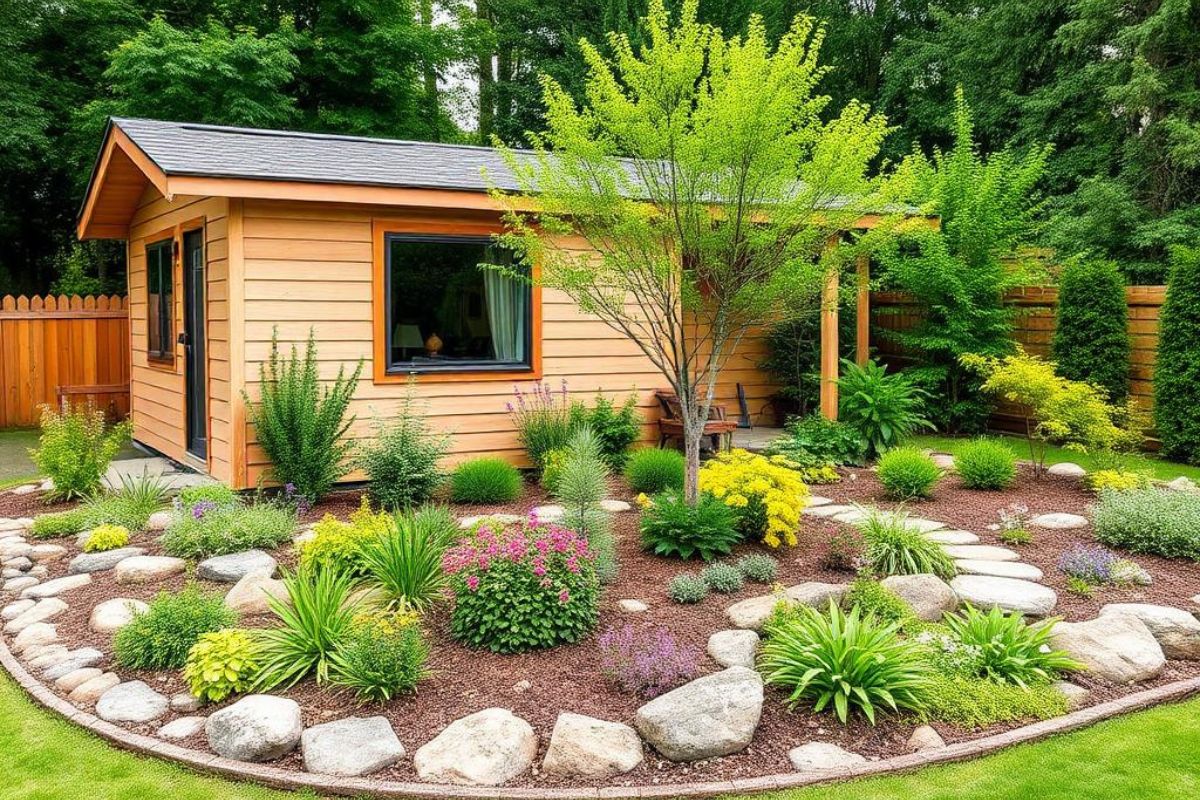
Consider adding plants or vertical gardens to enhance your space's aesthetics and provide natural cooling through transpiration.
Use outdoor rugs or cushions to define your seating area and add comfort.
Common Mistakes to Avoid When Insulating for Summer
Insulating your tiny house for summer is essential, yet many people make common mistakes that can hinder comfort and energy efficiency.
One prevalent error is poor installation. If insulation isn’t fitted snugly, gaps can allow heat to seep in, defeating your efforts.
Additionally, inadequate ventilation can trap warm air, leading to an uncomfortable indoor environment. Always guarantee that your insulation is paired with proper airflow; consider installing vents or fans to circulate air effectively.
Neglecting to choose the right type of insulation for your climate can also be detrimental. Opt for materials designed for hot weather, like reflective barriers, to maximize cooling.
Conclusion
By implementing these insulation strategies, you’ll considerably enhance your tiny home’s comfort during the summer months. Using reflective barriers, double-glazed windows, and thermal mass materials will keep excess heat at bay.
Don’t forget to seal gaps and consider ventilation for fresh air flow. With these practical measures, you can enjoy a cooler, more energy-efficient living space while maximizing your tiny home’s potential. Start planning your insulation upgrades today for a more comfortable summer experience.
Share: