

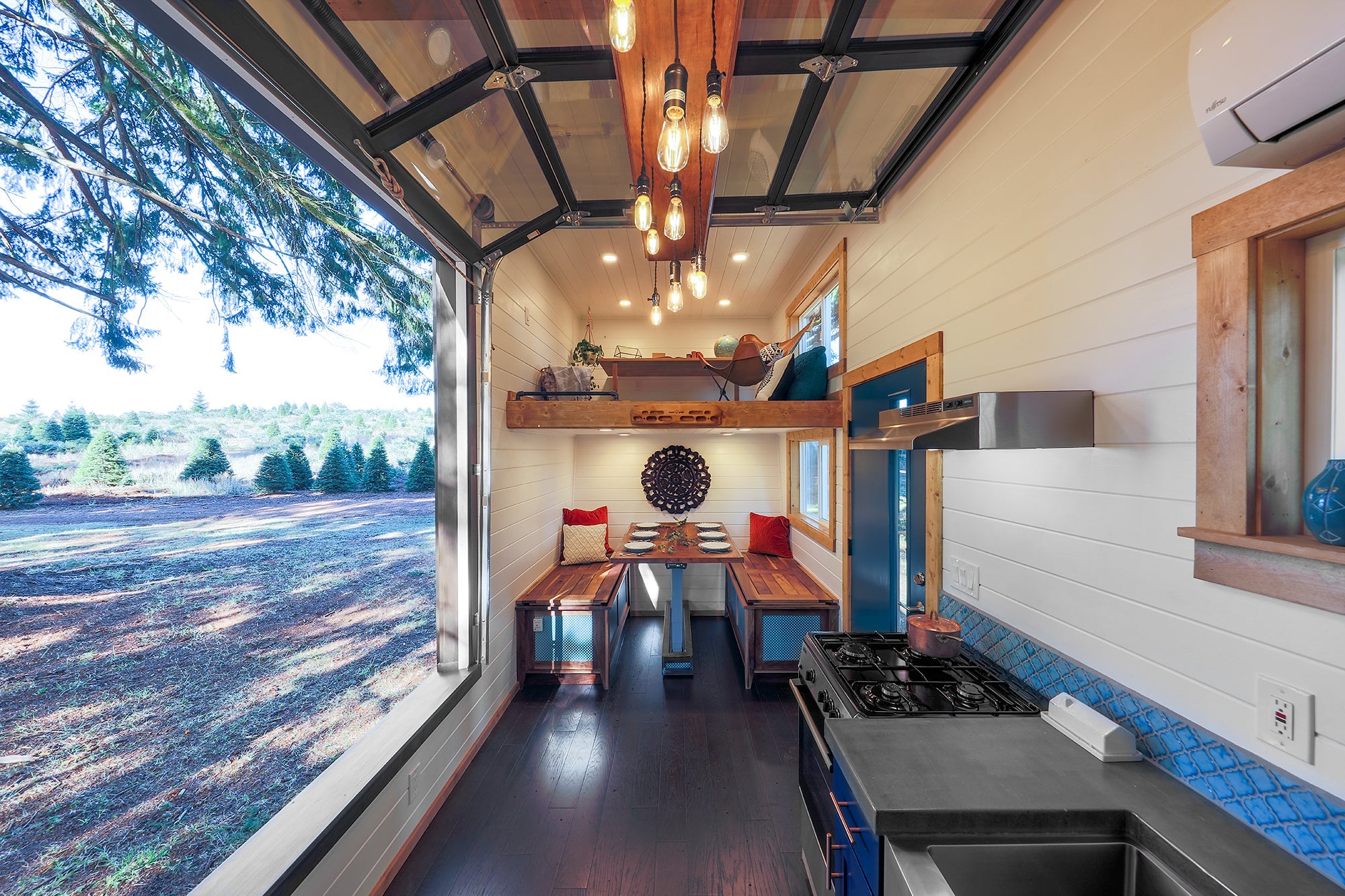
When designing a tiny house for hot weather, you need to focus on natural ventilation and effective shading. Positioning windows and vents for ideal airflow is essential, as is selecting the right materials to keep your space cool.
Consider how your interior layout can enhance circulation and comfort. As you explore these elements, you’ll discover strategies that not only improve livability but also adapt seamlessly to the demands of a warm climate. What comes next might surprise you.
Key Takeaways
-
Position windows and vents for cross ventilation to maximize airflow and reduce indoor temperatures.
-
Incorporate shade structures and reflective materials to block sunlight and minimize heat gain.
-
Use high thermal mass materials for insulation to regulate indoor temperatures effectively.
-
Design an open floor plan to enhance air circulation and avoid obstructing airflow with furniture.
-
Create comfortable outdoor living spaces with shade and greenery for relaxation and cooling.
Designing for Natural Ventilation and Airflow
When designing a tiny house for hot weather, you’ll want to prioritize natural ventilation and airflow to keep your space comfortable.
Implementing effective cross ventilation strategies is essential; position windows and vents across from each other to allow cooler air to flow in while pushing warmer air out.
Consider using operable skylights, which can create upward air movement, enhancing air circulation techniques. Incorporating ceiling fans can also facilitate this process, ensuring that air moves throughout your tiny home.
Think about the layout: open spaces and minimal obstructions help air travel freely.

Top Shading Techniques for Hot Climates
To effectively combat the heat in your tiny house, incorporating strategic shading techniques can make all the difference.
Consider installing shade structures like pergolas or trellises, which not only block sunlight but create a cozy outdoor space. Pair these with cooling plants, such as tall grasses or leafy vines, to enhance the shaded areas.
Reflective materials on your roof and walls can deflect sunlight, reducing heat absorption considerably. Outdoor awnings over windows provide additional protection, allowing you to enjoy natural light without the heat.
Finally, consider utilizing thermal mass, like stone or concrete, to absorb heat during the day and release it at night, helping to keep your interior cool and comfortable.
Select Insulation Materials Wisely
Selecting insulation materials wisely is essential for maintaining comfort in your tiny house during hot weather.
Start by considering materials with high thermal mass like concrete or adobe; they absorb heat during the day and release it at night, helping to stabilize indoor temperatures.
Pair these with reflective barriers to deflect radiant heat away from your living space. Install these barriers in your walls and roof to minimize heat gain.
Additionally, look for insulation rated for high R-values, ensuring it effectively resists heat transfer.
Don’t forget about ventilation—proper airflow can enhance your insulation’s effectiveness, making your tiny house a cool oasis.
Balancing thermal mass and reflective barriers will create a comfortable environment even in the hottest conditions.
Pick the Right Interior Layout for Cooling
Although choosing the right interior layout may seem secondary, it plays an essential role in keeping your tiny house cool during hot weather.
Start with space optimization; an open floor plan encourages airflow, making your home feel breezier. Position furniture strategically to avoid blocking windows and air vents, which helps maintain a natural circulation of cooler air.
Consider using lightweight, movable furniture that can be easily rearranged to adapt to changing weather conditions. For instance, placing larger items against walls can create a sense of openness while allowing for better airflow.
Incorporating mirrors can also enhance light distribution, creating a more spacious feel and reducing heat accumulation.
Thoughtful furniture arrangement guarantees your tiny house remains comfortable and cool, even on the hottest days.
Incorporate Comfortable Outdoor Living Spaces
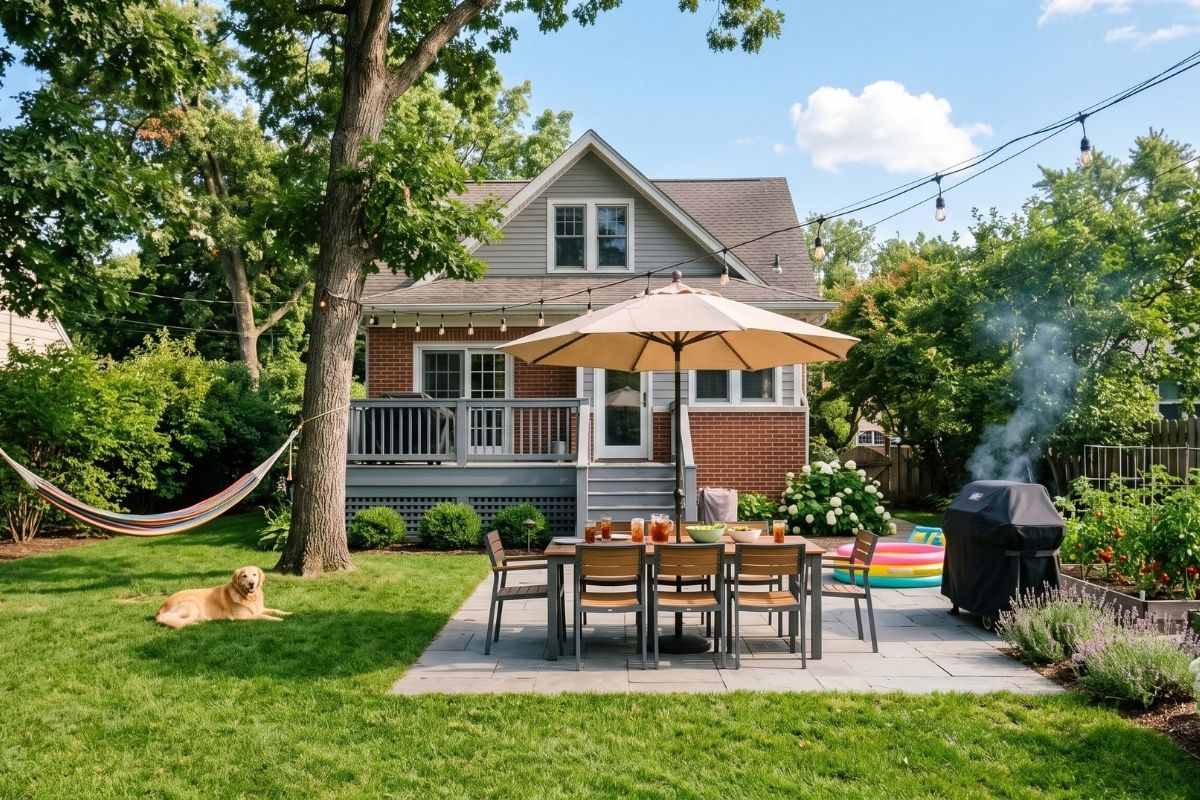
Creating comfortable outdoor living spaces is essential for enjoying the warm weather in a tiny house. Start by selecting durable outdoor furniture that invites relaxation and conversation.
Consider lightweight, weather-resistant materials that can withstand the elements while maintaining style.
Incorporating shade structures, like awnings or pergolas, can dramatically enhance your outdoor experience. They not only protect you from the harsh sun but also create a cozy atmosphere for gatherings.
Positioning your furniture under these structures maximizes comfort and encourages outdoor living.
Finally, adding greenery or potted plants around the space not only improves aesthetics but can also provide natural cooling.
Utilize Sustainable Energy Sources
Enhancing your outdoor living spaces naturally leads to contemplating how you power your tiny house. Integrating sustainable energy sources not only reduces your carbon footprint but also lowers your utility bills.
Start with solar panel integration; strategically placing panels on your roof maximizes sun exposure, allowing you to harness energy efficiently. Consider your roof's angle and materials for peak performance.
Additionally, explore wind turbine options if your location has consistent breezes. Small, residential turbines can complement your solar setup, providing reliable energy even on cloudy days.
Combining these technologies creates a resilient energy system tailored to your needs. By investing in sustainable sources, you're not just building a home; you're cultivating an eco-friendly lifestyle that thrives in hot weather.

Find the Best Location for Your Tiny House
When selecting the best location for your tiny house, consider factors that will optimize your comfort and efficiency in hot weather.
Start with site selection; look for shaded areas from trees or nearby structures to mitigate direct sunlight.
Perform a thorough climate analysis to understand wind patterns and seasonal variations. Positioning your tiny house to catch prevailing breezes can enhance natural ventilation, making it more comfortable.
Proximity to water sources, like lakes or rivers, can also help cool the surrounding area.
Additionally, avoid low-lying spots where heat tends to accumulate.
Essential Maintenance Tips for Hot Weather Tiny Homes
Once you've chosen the ideal spot for your tiny house, keeping it in top shape during hot weather requires specific attention.
Start with roof maintenance; inspect for any debris or damage that could hinder ventilation. A well-maintained roof reflects sunlight, reducing heat absorption.
Next, focus on appliance efficiency. Make sure your cooling systems are clean and functioning at their best. This not only conserves energy but also keeps your indoor space comfortable.
Consider using reflective window films or shades to minimize heat gain. Regularly check insulation in walls and ceilings to prevent air leaks.
Finally, maintain your outdoor space by trimming nearby trees to avoid unwanted shade that can trap heat.
These steps will help your tiny home thrive in hot weather.
Conclusion
By prioritizing natural ventilation, effective shading, and thoughtful insulation, you can create a tiny house that thrives in hot climates. Embrace adaptable layouts and comfortable outdoor spaces to enhance your living experience.
Integrating sustainable energy sources not only boosts efficiency but also minimizes your carbon footprint. With strategic planning and design choices, your tiny home will remain cool and inviting, ensuring you enjoy every moment in your oasis, no matter how high the temperature rises.

Share: