

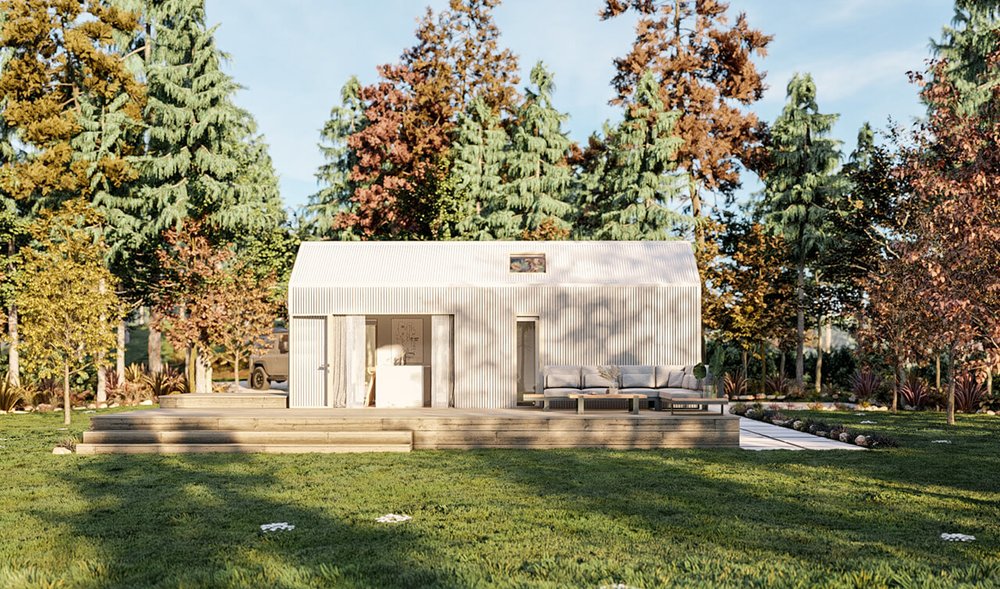
Cooling a tiny house in hot climates can be a challenge, but it doesn’t have to rely on heavy energy use. You can maximize airflow and enhance insulation to create a more comfortable space. By understanding natural ventilation and choosing the right materials, you can maintain a pleasant indoor environment.
Let’s explore practical techniques that not only keep your home cool but also align with eco-friendly living. You might be surprised at how simple some of these methods are.
Key Takeaways
-
Optimize insulation with materials like cellulose or spray foam to reduce heat transfer and maintain cooler indoor temperatures.
-
Utilize natural ventilation by strategically positioning windows and vents for effective cross-breezes.
-
Incorporate reflective roofing materials to bounce sunlight away, minimizing heat absorption.
-
Enhance air circulation with ceiling fans and open shelving to promote airflow throughout the space.
-
Use thermal mass elements like concrete or brick to stabilize indoor temperatures by absorbing and releasing heat.
Understanding the Challenges of Cooling a Tiny Home
Cooling a tiny home can be tricky, especially when you consider its compact space and often limited insulation. You’ll face unique heat sources that can quickly elevate temperatures, making humidity control essential.
Embracing energy efficiency is vital; using passive design principles allows you to maximize airflow and minimize heat absorption. Consider your climate considerations—seasonal adjustments play a key role in maintaining comfort.
For instance, during hotter months, window treatments can block direct sunlight, reducing indoor temperatures. Additionally, utilizing thermal mass materials can absorb and release heat effectively, helping stabilize your home's temperature.
The Role of Insulation in Keeping Your Space Cool
While you might think of insulation primarily as a winter necessity, it plays an essential role in keeping your tiny home cool during warmer months too. By selecting the right insulation types, like cellulose or spray foam, you can effectively limit heat transfer.
Good insulation creates a barrier that keeps the cool air in and the heat out, enhancing your comfort.
Incorporating materials with high thermal mass, such as concrete or brick, can also help regulate indoor temperatures. These materials absorb heat during the day and release it at night, preventing your space from overheating.

Natural Ventilation Techniques for Better Airflow
To enhance airflow in your tiny house, embracing natural ventilation techniques can make a significant difference.
Start by analyzing airflow patterns; identify where breezes naturally enter and exit your space. Position windows and vents strategically to create cross-ventilation, allowing fresh air to flow through.
Utilize operable skylights to release hot air that rises, further improving ventilation. You might also consider incorporating ceiling fans to circulate air, enhancing your ventilation strategies.
Shade your windows with trees or awnings to reduce heat gain while still allowing airflow.
Finally, verify your home’s layout encourages open spaces, promoting better air movement.
Choosing Effective Heat-Reflective Materials for Tiny Homes
After optimizing airflow with natural ventilation, the next step is selecting heat-reflective materials that can greatly reduce indoor temperatures.
Start with reflective roofing; it can bounce sunlight away, keeping your tiny home cooler. Look for materials with high solar reflectance ratings to maximize efficiency.
Additionally, consider incorporating thermal mass elements like concrete or stone. These materials absorb heat during the day and release it slowly at night, stabilizing indoor temperatures.
Combining reflective roofing with thermal mass creates a balanced approach to heat management.
How to Position Openings for Cross-Ventilation
Positioning openings for cross-ventilation is essential for maintaining a comfortable indoor climate in your tiny house.
Start by considering window placement; ideally, place windows on opposite sides of your home to create a direct airflow path. This setup helps facilitate airflow dynamics, allowing cooler air to enter while warmer air exits.
You can also incorporate adjustable vents in higher locations, as hot air rises and will escape through these openings. Experiment with the size and angle of your windows to optimize airflow throughout the day.
Additionally, using screens can keep insects out while still promoting ventilation.
Creating Shade: Trees and Awnings for Your Tiny Home
Creating shade around your tiny home not only enhances comfort but also reduces energy costs. Start by strategically placing trees; their canopies provide natural landscape shading.
Consider the sun’s path to optimize tree placement, ensuring they block harsh rays during peak hours. For immediate relief, install awning materials like fabric or metal over windows and porches, utilizing overhang design to create inviting outdoor living spaces.
Incorporate green roofs or vertical gardens to further cool your home and improve air quality. These shade structures not only protect your tiny home from direct sunlight but also add aesthetic value to your space.
Natural Cooling Methods: Using Indoor Plants
While you mightn't think of indoor plants as a cooling solution, they can greatly enhance your tiny home’s comfort. Incorporating plants can provide significant indoor plant benefits, such as improved air quality and natural humidity management.
Plants like peace lilies and spider plants not only look beautiful but also release moisture into the air, which helps to create a cooler atmosphere. By strategically placing these greenery around your space, you can lower temperatures and increase overall comfort without relying on air conditioning.
Plus, they absorb heat and filter toxins, making your environment healthier. Embrace the natural cooling power of indoor plants, and enjoy a fresher, more enjoyable living space in those hot months.
DIY Cooling Solutions for Tiny Homes: Fans and Evaporative Coolers
When it comes to cooling your tiny home, DIY solutions like fans and evaporative coolers can make a significant difference.
Start with strategic DIY fan placement; position fans near windows to draw in cooler air during the evening. You can also create a cross-breeze by placing fans across from each other, enhancing airflow throughout your space.
For an evaporative cooler, make sure you perform regular maintenance, like cleaning the water reservoir and pads, to keep it running efficiently. This not only prolongs its life but also maximizes cooling.

Strategic Furniture Layout for Improved Airflow
To enhance airflow in your tiny house, consider how you arrange your furniture. Strategic furniture placement can make a significant difference in airflow optimization.
Keep larger pieces, like sofas or beds, away from windows and vents to prevent blockages. Instead, opt for lightweight, movable furniture that can be repositioned as needed. Use open shelving rather than bulky cabinets to promote circulation.
Additionally, guarantee pathways between furniture are clear, allowing air to flow freely throughout the space. You might also consider using furniture with legs, which elevates them off the floor and enhances ventilation.
Building a Sustainable Cooling Routine for Hot Days
Creating a sustainable cooling routine for hot days not only keeps your tiny house comfortable but also minimizes your environmental impact.
Start by utilizing passive design strategies, like shading windows with awnings or plants. During the hottest parts of the day, close blinds to block direct sunlight, enhancing energy efficiency.
Open windows in the early morning and late evening to let in cooler air, creating a natural breeze. Incorporate fans to circulate air without cranking up energy use.
Consider using thermal mass, like stone or concrete, to absorb heat during the day and release it at night.
Conclusion
By implementing these natural cooling strategies, you can create a comfortable and eco-friendly living space in your tiny home. Focus on maximizing airflow with strategic ventilation and reflective materials, while incorporating indoor plants for added benefits. Don’t forget to arrange your furniture to support airflow and consider DIY solutions like fans or evaporative coolers. With a little effort, you’ll build a sustainable cooling routine that keeps your tiny house pleasant even on the hottest days.
Share: