

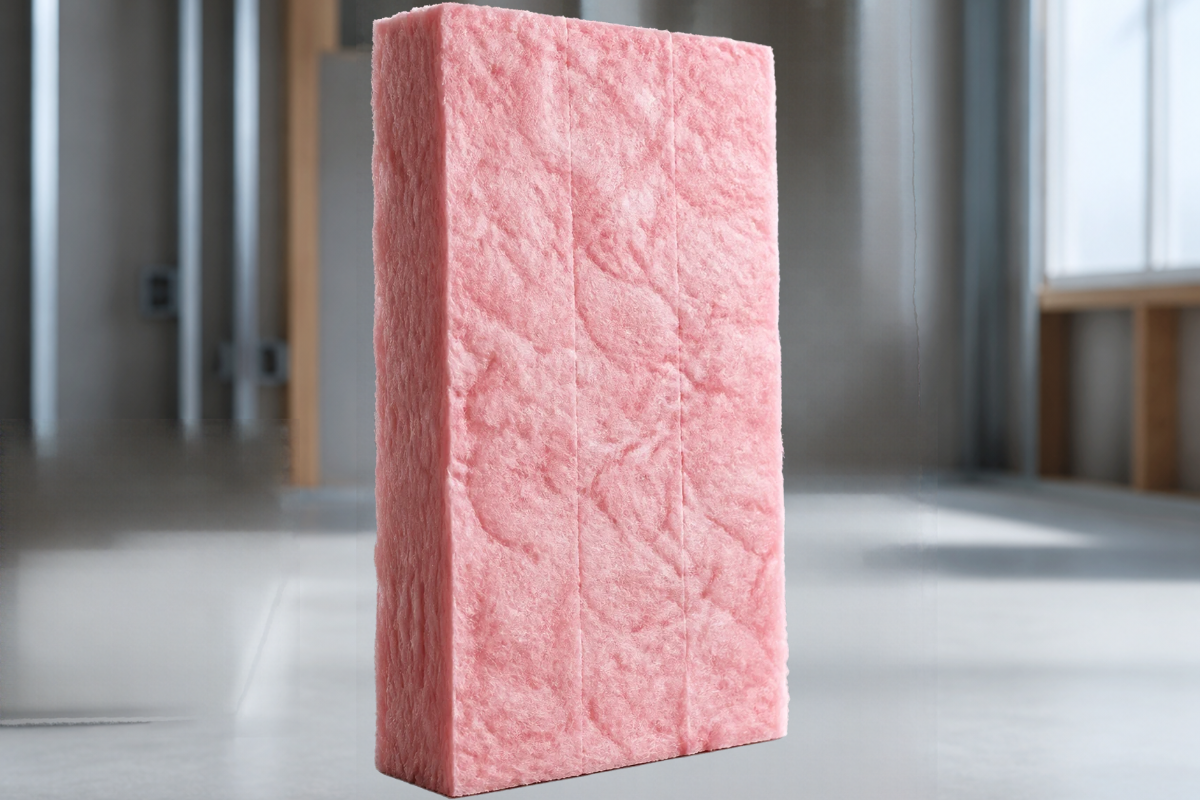
When you shop for insulation batts, you'll see an R-value printed on every packet. It's the single most important number for comparing products, yet many homeowners aren't sure what it means or which R-value they actually need.
Here's a clear explanation of R-values, how they work, and how to use them to choose the right insulation batts for your home.
What is an R-value?
An R-value measures a material's resistance to heat flow. The higher the R-value, the better the material resists heat passing through it. In practical terms, insulation with a higher R-value keeps heat out of your home in summer and keeps warmth inside in winter more effectively.
R-values allow you to compare different products on a like-for-like basis. An R4.0 batt, for example, provides more thermal resistance than an R2.5 batt, regardless of the brand or material.
Total R-value versus material R-value
You may come across two types of R-values. The material R-value refers to the insulation product itself. The total R-value refers to the combined thermal resistance of the whole ceiling, wall or floor system, including plasterboard, air gaps, roofing materials and the insulation.
Building regulations often refer to total R-values, while products are labelled with material R-values. An insulation installer or supplier can help you understand what level of insulation is needed to achieve a particular total R-value in your home.

Why R-values differ between areas
Different parts of your home need different R-values. Ceilings usually need the highest R-values, because roofs absorb a lot of heat from the sun and warm air rises to escape through the ceiling in winter.
Walls typically need lower R-values, partly because of the limited space within wall cavities. Underfloor insulation is useful in homes with suspended timber floors, helping reduce draughts and heat loss from below.
Climate makes a difference
Australia's climate varies enormously, so recommended R-values differ by region. In Perth, with hot summers and mild winters, insulation helps most by keeping heat out during summer, although it also improves comfort in cooler months.
Building codes set minimum requirements for new homes based on climate zone, but many homeowners choose higher R-values than the minimum for extra comfort and energy savings.
Thickness and material
R-values are related to thickness, but thickness alone doesn't tell the whole story. Different materials, such as glasswool, polyester and rockwool, achieve their R-values at different thicknesses and densities.
This matters when space is limited. In walls, for example, you may need a higher-density product to achieve a good R-value within a standard cavity. Always compare the stated R-value rather than assuming a thicker batt performs better.
Installation affects performance
An insulation batt only delivers its rated R-value if it's installed properly. Gaps between batts, compressed insulation and areas left uncovered can significantly reduce overall performance. Even small gaps can allow a surprising amount of heat transfer.
Batts should fit snugly without being squashed, cover the entire area and maintain required clearances around downlights, flues and other heat sources. Following installation guidelines or using a professional installer ensures you get the performance you paid for.
Combining insulation with other measures
Insulation works best as part of an overall approach to comfort. Reflective foil sarking under roofs, roof ventilation, draught sealing, window coverings and shading all help reduce heat gain and loss.
For example, adding foilboard or reflective layers alongside bulk insulation batts can improve performance, particularly against radiant heat from the roof.
Upgrading existing insulation
Many older homes have little or no insulation, or insulation that has settled, compressed or been disturbed over time. Checking your roof space is a good starting point. If existing batts are thin, patchy or damaged, topping up or replacing them can make a noticeable difference.
When upgrading, consider the R-value of existing insulation and what you'd like to achieve. Adding new batts over old ones can increase overall thermal resistance if done correctly.

The value of higher R-values
Higher R-value insulation usually costs more upfront, but it can provide better comfort and lower heating and cooling costs for years. Because ceiling insulation is relatively affordable to install compared with many home upgrades, it's often one of the most cost-effective improvements you can make.
Think of insulation as a long-term investment in comfort and efficiency rather than a one-off expense.
Comparing insulation batts side by side by R-value, material and thickness makes it much easier to choose the right product for ceilings, walls and floors.
Choosing the right batts
Understanding R-values makes it much easier to compare insulation batts and choose the right products for your home. Consider the area being insulated, your climate, available space and your comfort goals.
If you're unsure, speak with an insulation supplier who can recommend suitable products and R-values for ceilings, walls and floors. With the right batts installed properly, your home will be cooler in summer, warmer in winter and cheaper to run.


Share: