

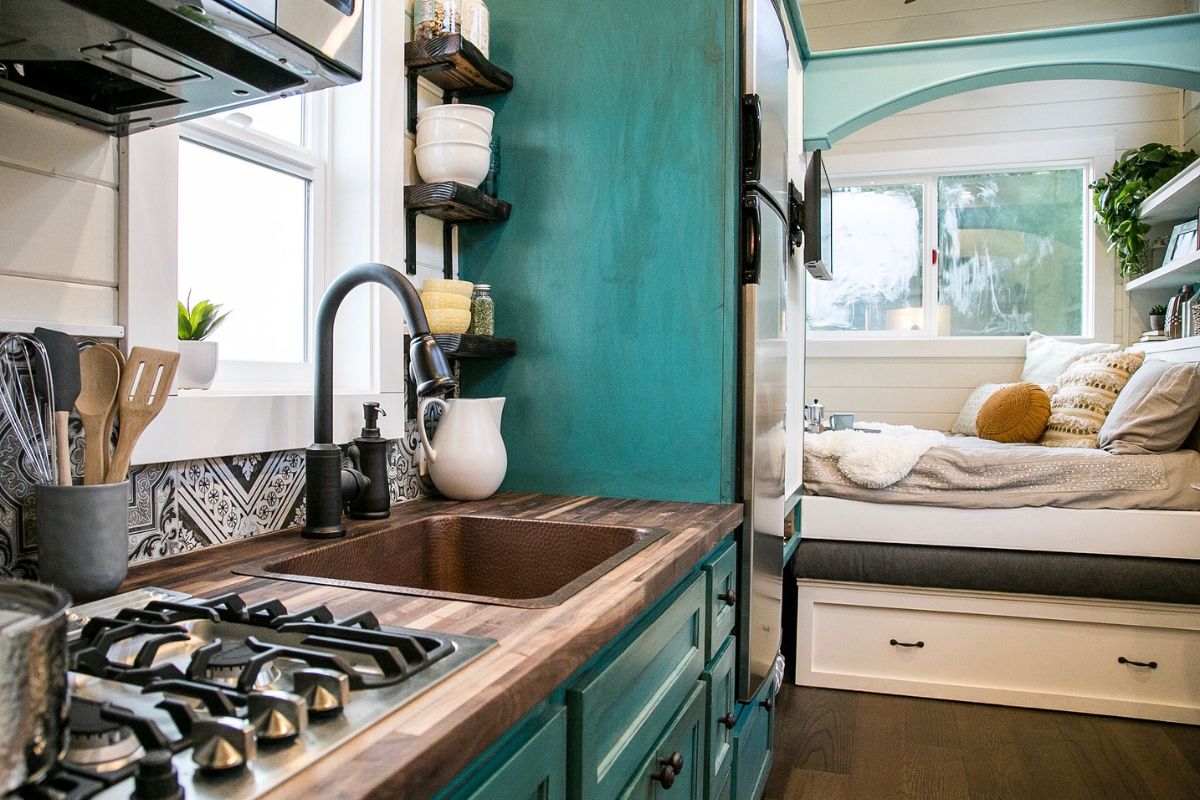
A compact floor plan has plenty of advantages, lower heating costs, easier cleaning, less square footage to maintain. It also has one distinct disadvantage when it comes to pests: there's very little distance between the rooms where problems typically start and the rooms where families spend the most time.
For Lovell homeowners in smaller houses, an ant trail that begins near a kitchen counter or a mouse that finds its way behind a bathroom wall doesn't have far to travel before it reaches a bedroom or living space.
Why Compact Layouts Speed Up Pest Movement
In a larger home, distance itself acts as a kind of buffer. A pest problem starting in a detached garage or a far corner of a basement might take considerably longer to reach a bedroom simply because of how much space separates the two areas. Small homes remove much of that buffer.
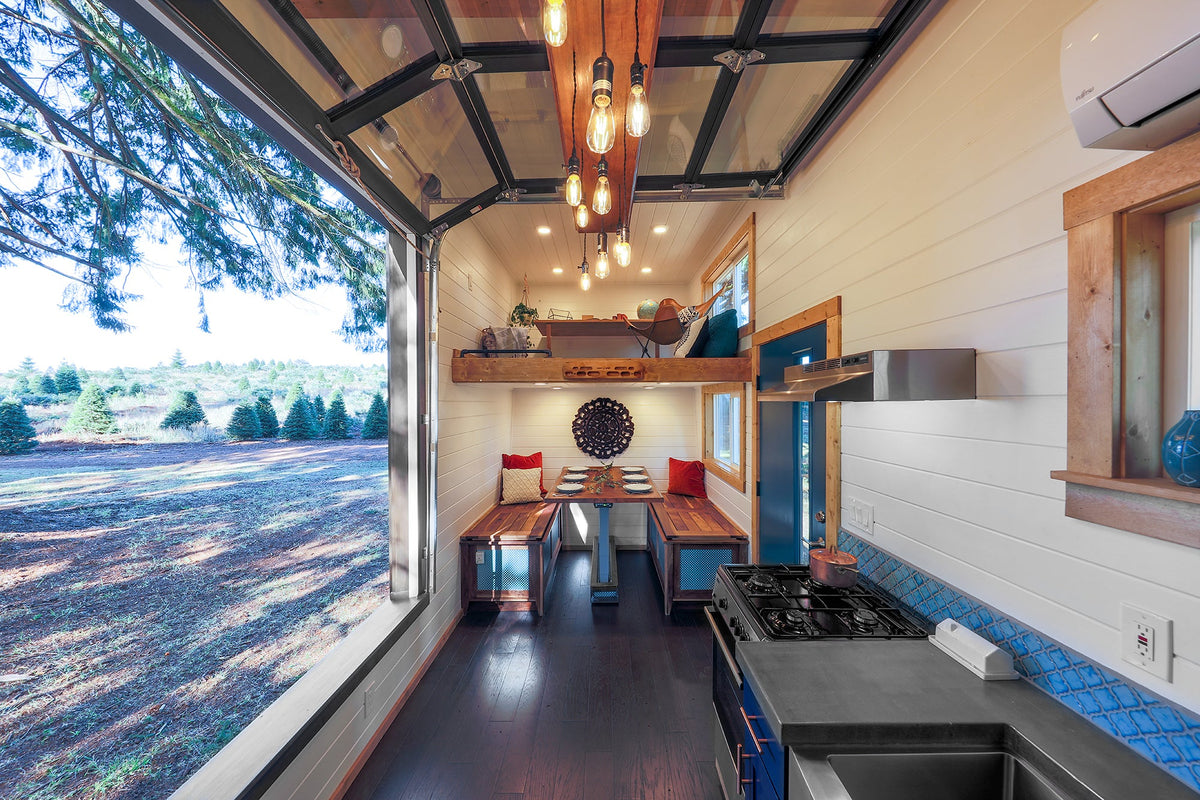
Kitchens, storage areas, plumbing lines, and sleeping spaces often sit within a few feet of each other, connected by shared walls, common utility chases, or open floor plans with minimal separation between functional zones.
This proximity matters because most pests don't need much space to establish a presence and expand from it. Ants follow scent trails that can stretch from an exterior entry point straight through a kitchen and into an adjoining room within days.
Rodents, once inside, tend to explore an entire structure fairly quickly, especially in a smaller home where every room is within easy reach of a single nesting site. What might stay contained to one section of a larger house can affect nearly every room of a small one before anyone notices a clear pattern.

Kitchens, Storage, and Plumbing as Shared Risk Zones
Small homes frequently combine kitchen, storage, and utility functions into overlapping or adjacent spaces, which means a problem in one area has an unusually short path to another.
A pantry shelf sharing a wall with a bathroom, for instance, puts dry food storage in close proximity to the moisture and plumbing access points that attract pests in the first place. This layout convenience for daily living becomes a liability once ants, roaches, or rodents find an entry point, since there's often no buffer room between the food source and the utility access that led them inside.
Plumbing runs in particular create a connective thread through many small homes, often passing through multiple rooms in a single continuous chase. A gap around a pipe in one bathroom wall might connect, structurally speaking, to a similar gap behind a kitchen sink several feet away, giving pests an internal pathway that has nothing to do with how tidy either room appears on the surface.
A pest control company in Lovell evaluating a spreading infestation often traces the pattern back to exactly this kind of shared plumbing chase, since it explains activity showing up in rooms that otherwise have no obvious connection to each other.
Sleeping Spaces and the Risk of Shared Walls
Bedrooms in a small home rarely sit far from a kitchen or a utility area, and shared walls between these spaces can carry pest activity further than most homeowners expect.
A gap around a pipe or wiring chase running behind a kitchen wall might continue directly into an adjoining bedroom's wall cavity, giving rodents or insects a path that bypasses open living space entirely. This is part of why pest activity in a small home can show up in a bedroom closet or along a baseboard nowhere near where the actual entry point was located.
Sleeping spaces also tend to be quieter and less disturbed during the day compared to a kitchen or living area, which makes them appealing to pests looking for undisturbed shelter even if the activity originally started somewhere else in the house.
A homeowner who calls a pest control company in Lovell after finding droppings in a bedroom closet is often surprised to learn the actual point of entry was on the opposite side of the house, connected only by a shared wall cavity or utility chase running between the two rooms.
Practical Strategies for Limiting the Spread
A handful of consistent habits reduce how easily a pest problem can move from one part of a small home into another:
-
Store dry food in sealed, airtight containers rather than in original packaging, particularly in kitchens or pantries near shared walls.
-
Control moisture around plumbing fixtures and utility areas, since dampness tends to accelerate both pest activity and its spread to nearby rooms.
-
Keep storage areas organized with clear sightlines to baseboards and corners, making early signs of activity easier to spot before they extend further.
-
Inspect utility openings, where pipes, wiring, or vents pass between rooms, for gaps that could allow pests to move from one space to another.
-
Address any pest sighting promptly rather than waiting to see if it resolves on its own, since a small home gives problems very little distance to travel before affecting multiple rooms.
None of these steps require major renovation, just consistent attention to the points where rooms connect rather than treating each space as entirely separate from the next.
Checking Utility Openings Between Rooms
Utility openings deserve particular attention in a small home precisely because they often go unchecked for years at a time.
Gaps around pipes, wiring, or vents where they pass through interior walls are frequently sealed loosely during original construction, if they're sealed at all, and these openings can function as an internal highway connecting rooms that otherwise seem completely separate.
A careful walk through interior utility spaces, checking where plumbing or electrical lines cross from one room into another, often reveals exactly the kind of gap that's allowing a problem to spread rather than stay contained.
Sealing these interior openings with appropriate materials closes off much of the internal movement that makes small homes particularly vulnerable to widespread pest activity, even when the original entry point into the house has already been addressed.

When Spreading Activity Calls for Professional Help
Pest activity that shows up in a single room and stays there is often manageable with basic cleaning and sealing. Activity that keeps appearing in new rooms over a period of days or weeks is a different situation entirely, and it usually means the problem has already moved beyond what surface-level fixes can resolve.
At that point, identifying the actual source, along with every interior pathway it may be using, generally requires a more thorough inspection than most homeowners can perform on their own.
Bringing in professional support early, rather than continuing to treat each room's symptoms individually, tends to resolve the underlying issue faster and prevents further spread through the home's interior connections.
Final Analysis
Small homes offer plenty of everyday advantages, but their compact layouts also give pests a much shorter path between kitchens, storage areas, plumbing, and sleeping spaces than a larger house would allow.
Ants, rodents, and spiders can move through these connected spaces quickly, turning a single point of entry into activity across multiple rooms in a short amount of time. Sealed food storage, moisture control, organized storage, and careful attention to utility openings between rooms all help limit that spread, and addressing activity promptly keeps a manageable problem from working its way through the rest of the house.

Share: