

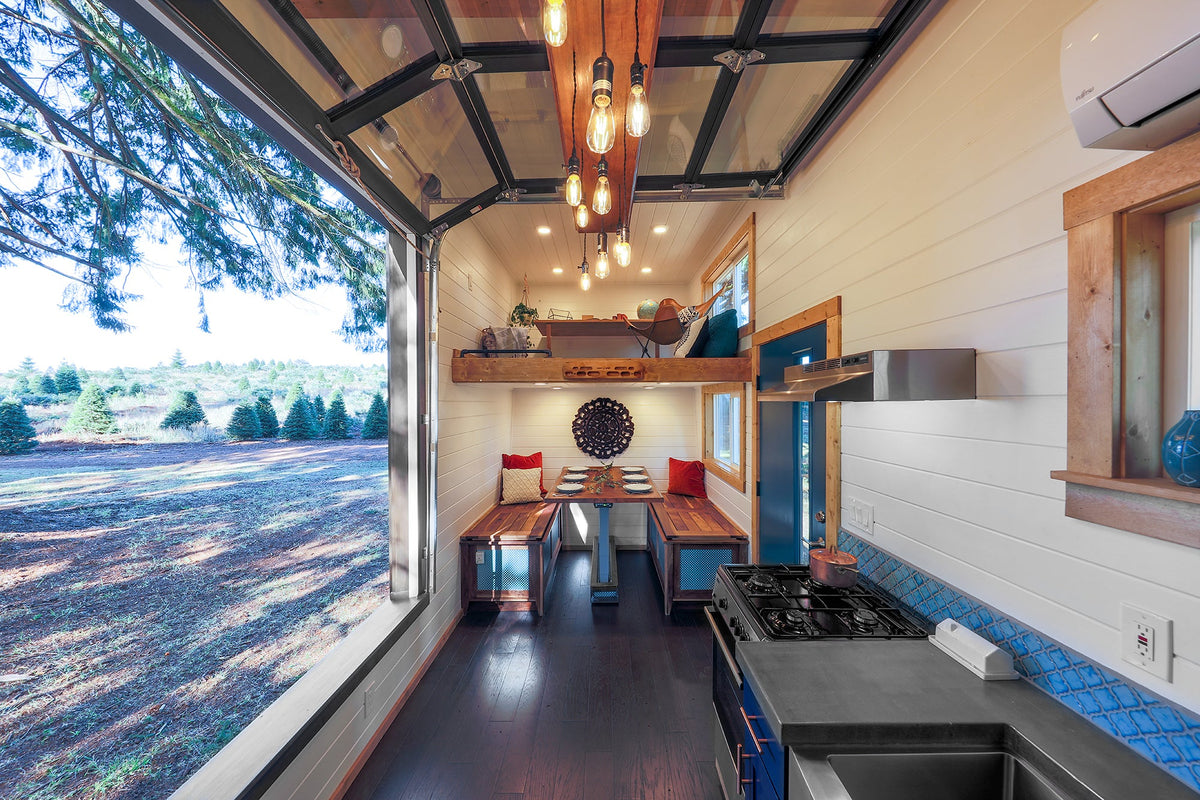
Smaller homes get a lot right. Lower utility bills, less to clean, cozier living. But there's a tradeoff nobody mentions in the real estate listing: when every room sits close to every other room, a pest problem in one corner rarely stays there for long.
Walk through a lot of West Sacramento's older bungalows and compact single-story homes and you'll notice the kitchen backs right up to a bathroom wall, the laundry closet shares plumbing with the kitchen sink, and the "extra" storage space is really just a converted hallway nook. That layout is efficient for living. It's also efficient for pests.
The Domino Effect of Close Quarters
Here's the thing about a 900 or 1,200 square foot floor plan: there's very little buffer zone. In a larger house, a mouse might set up in a detached garage and take weeks to work its way toward the kitchen.
In a compact home, the garage often opens directly into the kitchen or a hallway two steps from the bedroom.
Cockroaches that would need to cross an entire wing of a bigger house can reach a bathroom from a kitchen in a single night, sometimes through a shared wall cavity that runs the length of the home.
Ants behave the same way, just slower and more visibly. A trail that starts at a baseboard near the stove doesn't have far to travel before it reaches a snack cabinet, a pet food bowl, or a bathroom sink where a leaky trap keeps the tile damp.
Spiders tend to follow the insects, so wherever the ants or small flies concentrate, webs tend to show up nearby within a week or two.
None of this means small homes are inherently dirtier or worse maintained. It just means there's less physical distance between "a pest found a food source" and "a pest found your bedroom."

Where the Trouble Usually Starts
Three things draw pests indoors regardless of square footage: food, moisture, and a place to hide undisturbed. Compact homes just happen to stack all three closer together than most people realize.
Kitchens in smaller homes are often galley-style or open directly onto a living or dining area, which means crumbs and spills have a shorter path to travel before reaching carpet, upholstery, or a nearby closet.
Plumbing tends to be more centralized too, frequently routed through one or two shared walls to save on installation costs, so a slow leak under a kitchen sink can raise humidity in an adjoining bathroom or hallway closet without anyone noticing for months.
Storage is the other piece of the puzzle. When square footage is limited, storage space usually gets squeezed into whatever's left over: a hall closet, under-stair cubby, or a single shed out back.
These spaces get packed tight and opened rarely, which is precisely the combination cockroaches and rodents look for. A homeowner working with Official Pest Prevention in West Sacramento will often hear the same observation from an inspector: the busiest, most obvious rooms usually aren't where an infestation actually lives. It's the closet nobody's opened since spring.
What Movement Through a Small Home Actually Looks Like
Picture a typical week in a compact three-bedroom rental. Someone leaves a pet food bowl out overnight in the kitchen. Ants find it by morning.
Because the kitchen sits adjacent to a hallway bathroom with a slow-draining sink, a few scouts wander that direction too, drawn by the moisture.
Meanwhile, a cardboard box of holiday decorations sits in the hall closet three feet away, untouched since January, providing exactly the kind of quiet, undisturbed cover a cockroach nymph needs to mature without being spotted.
Rodents work a similar circuit but with more patience. A mouse entering through a gap near the water heater closet, which in many compact homes sits inside or right next to the kitchen, doesn't need to travel far to find crumbs, water, and a stack of boxes to nest in.
The whole loop, entry point to food to shelter, might cover fifteen feet total. In a larger home, that same mouse might need to cross an entire floor plan to find all three.
Practical Ways to Break the Chain
The upside to a compact layout is that fixing the problem doesn't require covering much ground either. A few consistent habits go a long way:
-
Store dry goods, pet food, and snacks in rigid, sealed containers rather than their original bags or boxes, which chew and tear easily
-
Check under sinks, around the water heater, and behind the washing machine monthly for drips, condensation, or musty smells, since moisture in one of these spots often affects a room right next door
-
Inspect utility openings where pipes, vents, or cables pass through exterior or shared walls, sealing any gap wider than a quarter inch with caulk or steel wool
-
Keep storage closets and cubbies organized with items off the floor, checking contents every few months rather than leaving boxes untouched for a year or more
-
Wipe down kitchen counters and sweep floors daily, paying particular attention to the gap behind appliances where crumbs accumulate unseen
None of these steps take much time individually. The value comes from doing them consistently, since a compact home doesn't give pests much distance to cover once conditions turn favorable.

Utility Openings Deserve a Closer Look
This one's worth calling out on its own because it's so easy to miss. Smaller homes often route plumbing, gas lines, and electrical conduit through a single central chase to save on materials and labor during construction.
That efficiency is great for the builder. It also means one poorly sealed penetration can connect a crawlspace or exterior wall directly to the inside of a kitchen or bathroom.
Take a flashlight and look behind the stove, under the sink, and around the dryer vent. If you can see daylight, feel a draft, or notice a gap wide enough to slide a pencil through, that's a viable rodent entry point.
Sealing these gaps is inexpensive and doesn't require any special skill, just some steel wool packed in first (rodents can't chew through it) followed by caulk or expanding foam to finish the seal.
Storage Spaces Need Rotation, Not Just Organization
It's tempting to think of a packed closet as "organized" simply because everything has a designated spot. But organization without rotation still leaves boxes sitting untouched for long stretches, and that stillness is exactly what pests are looking for.
Pulling everything out of a storage closet once or twice a year, even just to check for droppings, gnaw marks, or shed insect skins, catches problems while they're still small and contained to one area.
Swapping cardboard boxes for sealed plastic bins helps too, particularly in a compact home where storage space often means a single closet doing double or triple duty. Cardboard offers both a food source and a soft material rodents like to shred for nesting, neither of which does a small home any favors.
Key Takeaways
A compact floor plan isn't a liability by itself, but it does mean less margin for error. Food, moisture, and clutter that might stay contained to one wing of a larger house tend to reach every room of a smaller one within days rather than weeks.
Regular moisture checks, sealed food and storage containers, a close look at utility penetrations, and periodic rotation of anything sitting in a closet or cubby all help keep that chain from forming in the first place.
When activity keeps showing up despite reasonable upkeep, particularly in the same spot more than once, it's usually a sign that something's established rather than passing through, and that's when bringing in Official Pest Prevention in West Sacramento for a proper look makes more sense than continuing to guess at the source.

Share: