


Walking around the tiny house with no shoes and feeling the new vacuum lines in the carpet is very satisfying.
On the other hand, the feeling of crunchy crumbs and unvacuumed dirt under your socks is a gut-wrenching feeling. It is a common consensus that vacuuming is a necessary chore that needs to be done.
Is taking out the vacuum on the weekend enough or is a daily vacuum required? The required amount of vacuuming is dependent on the occupants in the tiny house, the flooring in the house, and the activity that happens in the rooms.
Why One Schedule Doesn't Fit All
Dust and soil do pile up and will require removal, but over cleaning is time wasted. Having consistent systems in practice in every environment improves the efficiency of every action performed. Every space is different.
Dust, soil, and allergens do build up, but they do so at different rates.In the upcoming sections, a detailed guide has been constructed in order to improve upon the methods used in cleaning various locations.
The Entryway and Hallways: Your First Line of Defense
Street filth and any pets will try to invade your home on shoes. This is the first place that the outside world encounters.
How often: Neglecting to clean will never be a good strategy. They collect filth due to the high amounts of people that will walk on the floors. Dust not being present is a great sign for any other area, but leading and debris on the floors will always be bad.
The strategy:
Simply vacuuming the hallway and ignoring the edges of the floors is a waste of time. Vacuuming the edges and using other tools will harvest much more dirt and give much better results.
A doormat will do a tiny fraction of the work the vacuum will deal with, and will also reduce the amount of dried mud and road debris.

The Living Room: The Hangout Zone
Living rooms are the most lively and integral parts of the house, and the most likely area where both family members and guests naturally gather.
Therefore, this space should be designed and laid out, to be and feel warm, welcoming, and comfortable, so that everyone can sit and feel relaxed.
-
Main gathering area of the house.
-
Comfortable sofas and seating is very important.
-
Cozy soft lighting adds warmth.
-
Pretty rugs, decor, and cushions makes the room more attractive.
-
Living rooms are a symbol of connection and comfort.
The Kitchen: Crumbs, Flour, and Chaos
The floor in the kitchen is the most abused floor in the house and deserved the greatest respect. Food is constantly dropped, and splatters from cooking cover it, and people walk in and out of the kitchen.
Focus your vacuuming on the ‘cooking triangle’ (between the fridge, sink and stove, because there is always the most floor waste). Dust collects enough inside of cabinets and its more important than it sounds to vacuum it.
Bedrooms: The Dust Sanctuary
The bedroom is where we relax and where we recharge our bodies and mind. It is a personal space where a calm atmosphere, order, and good conditions are the most important. It is therefore important to ensure a bedroom is well-maintained.
-
Better sleep is associated with a clean bedroom.
-
Furniture should be kept to a minimum to alleviate dust accumulation.
-
Bedrooms are places of personal relaxation.
-
Dust is often found on curtains, carpets, mattresses, and beds.
-
Mental comfort and peace are increased in dust-free bedrooms.

The Dining Room: The Crumb Catcher
The dining room is an epicenter of activity pertaining to food and eating, causing it to naturally collect crumbs. When eating, not only do people drop food on the table and the floor, they also bring spills and small bits of food to the chairs and under the table. Even worse, in an unkempt dining room, small pests, such as ants and mice, come to settle in the food debris.
The shared and sociable aspect of dining rooms, along with the presence of several family members and/or friends, makes it necessary to keep the space clean. To reduce the number of crumbs and the frequency of cleaning, indirect tools like placemats, tablecloths, and protective coverings can be used.
Keeping the dining room clean also makes it feel more inviting and pleasant for family members and social guests to be in the space.
The Strategy:
A creamy portable vacuum with chair and table legs is ideal to do a creamy beneath the table quickly after food. Pull the chair legs and do a complete vacuum once weekly. The trap dust and hair legs do a trap whip on a felt.
Bathrooms: Hair and Lint
Bathrooms are part of the house that get lots of hair and lint build up because they are very frequent parts of the house.
Daily activities that collect hair include showering, and hair and beard grooming. While towels and clothes leave lint, hair and lint build up are forgettable and could make a bathroom look very unhygienic.
If hair is not routinely cleared, and regular cleaning is not done, more smells and make a bathroom more unhygienic. Hair can get drains clogged, and build up can make the bathroom more unhygienic. A bathroom that is more unhygienic is a bathroom that is also caring for the health of the people who are using the bathroom.
The Strategy:
A pocket vacuum is meant to be used right at this moment. After that, every week, take out the chairs and do a little bit more in a full survey on the vacancy. There are little felt pads that get made right under the chairs and are full of dust and hair, and goop. It's a good idea to un a bit of vacuuming and flipping chairs on top of doing the regular chairs at the bottom.
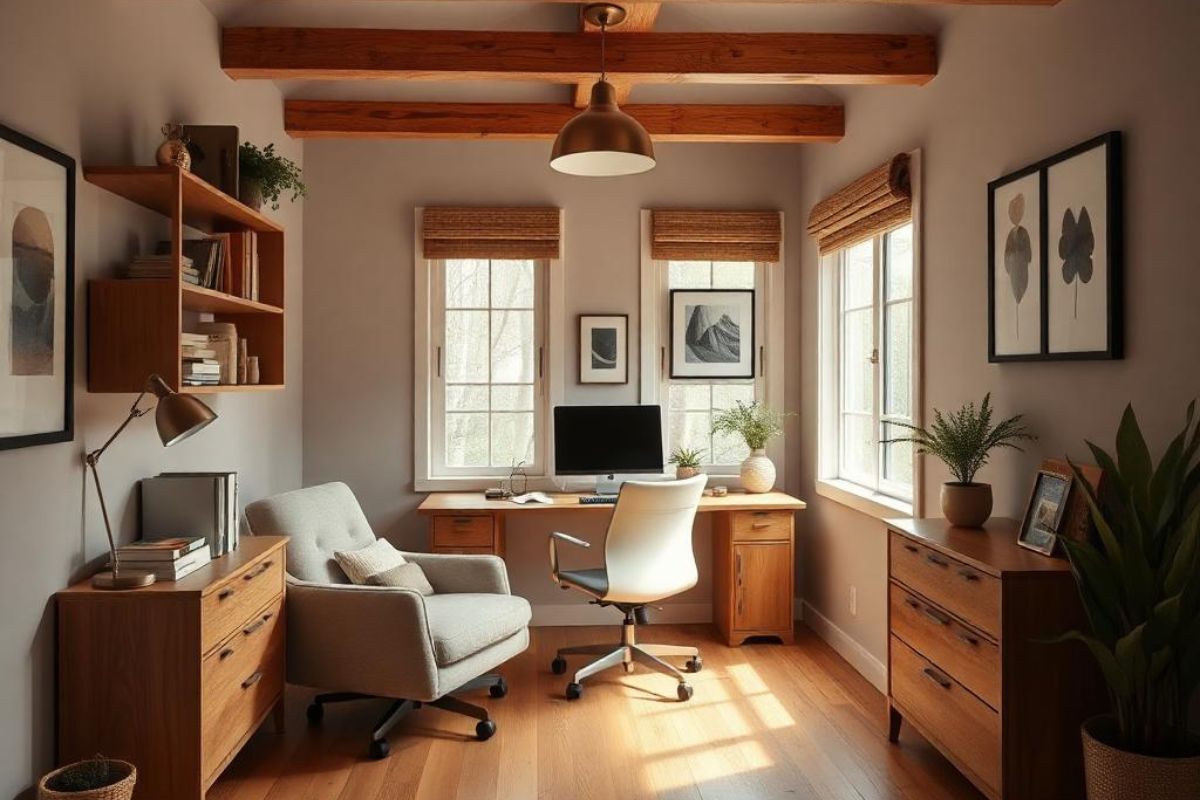
Home Office and Guest Rooms: The Low-Traffic Zones
People may think that home offices and guest rooms receive very little foot traffic. This is partially correct because they do not receive as much use as other areas in the home.
However, just because these rooms have not been utilized in a while, does not mean that they are clean. In fact, these rooms likely have built up dust because there is little movement and airflow.
Just because they may seem clean on the surface, dust can build up on the furniture, electronics, and even the corners of the walls. Less used spaces can have dust in greater concentrations than frequently used areas.
The Strategy:
Here you can have a more relaxed schedule, but if you are working from home everyday, treat your office like a living room and increase your schedule to weekly.


Share: