

Architecture is rarely straightforward. Every project comes with constraints — irregular sites, zoning restrictions, tight budgets, environmental concerns, or unique client demands. Yet these very limitations often spark the most innovative results. Skilled architects do not simply work around obstacles; they transform them into opportunities for creative problem-solving.
Complex challenges demand more than technical knowledge. They require vision, adaptability, and the ability to balance aesthetics, function, and structural integrity all at once.
Turning Site Limitations into Design Features
Some of the most striking architectural projects emerge from difficult sites. Steep slopes, narrow urban lots, and irregular land shapes force architects to think beyond standard layouts.
Instead of flattening terrain or forcing conventional plans onto unconventional spaces, architects often design with the landscape. Split-level homes can embrace elevation changes. Large windows and cantilevered structures can capture views while minimizing environmental disruption. Courtyards and light wells can solve issues related to density and limited natural light.
By responding thoughtfully to site conditions, architects create buildings that feel integrated rather than imposed.
Balancing Form and Function
A common misconception is that creativity in architecture is purely aesthetic. In reality, innovation often arises from functional problem-solving. Complex projects require careful coordination between structure, circulation, utilities, and user experience.
For example, in mixed-use developments, architects must separate private and public zones while maintaining cohesive design language. In compact homes, they maximize storage and flexibility without sacrificing openness. In commercial buildings, they balance brand identity with practical workflow.
Creative solutions emerge when every design decision serves multiple purposes at once.
For insight into how architectural firms approach layered design challenges, you can explore www . kdarchitects .net, where project perspectives highlight thoughtful responses to site, structure, and client needs.

Integrating Sustainable Strategies
Sustainability is no longer optional in modern architecture. Complex challenges often involve environmental performance requirements, energy efficiency goals, and long-term durability concerns.
Architects respond with passive design strategies such as optimized building orientation, natural ventilation systems, and strategic shading. They may incorporate green roofs, high-performance materials, or advanced insulation techniques.
Rather than treating sustainability as an add-on, leading architects integrate it seamlessly into the design concept. The result is a building that performs efficiently while maintaining strong visual identity.
Reimagining Small or Constrained Spaces
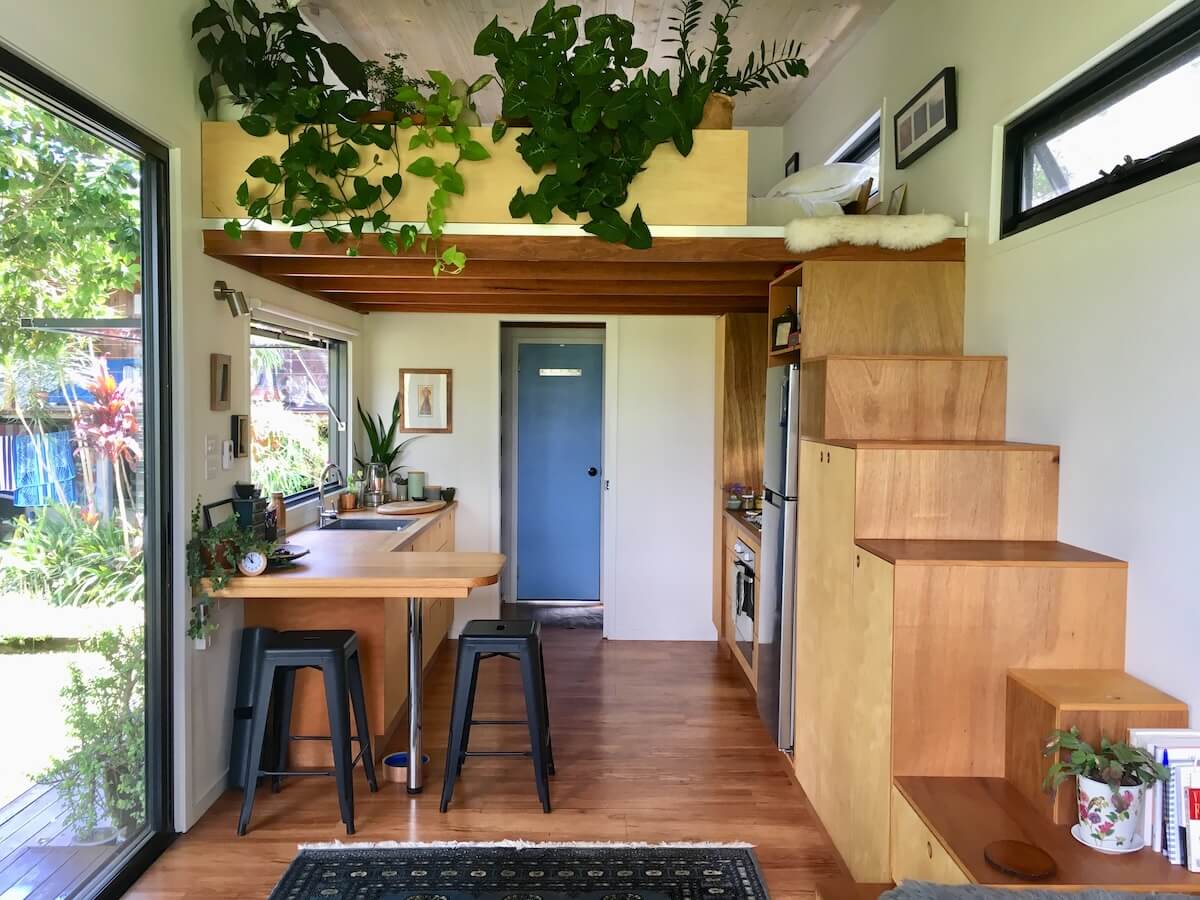
Urban density and rising land costs frequently require architects to work within tight footprints. Creativity becomes essential when square footage is limited.
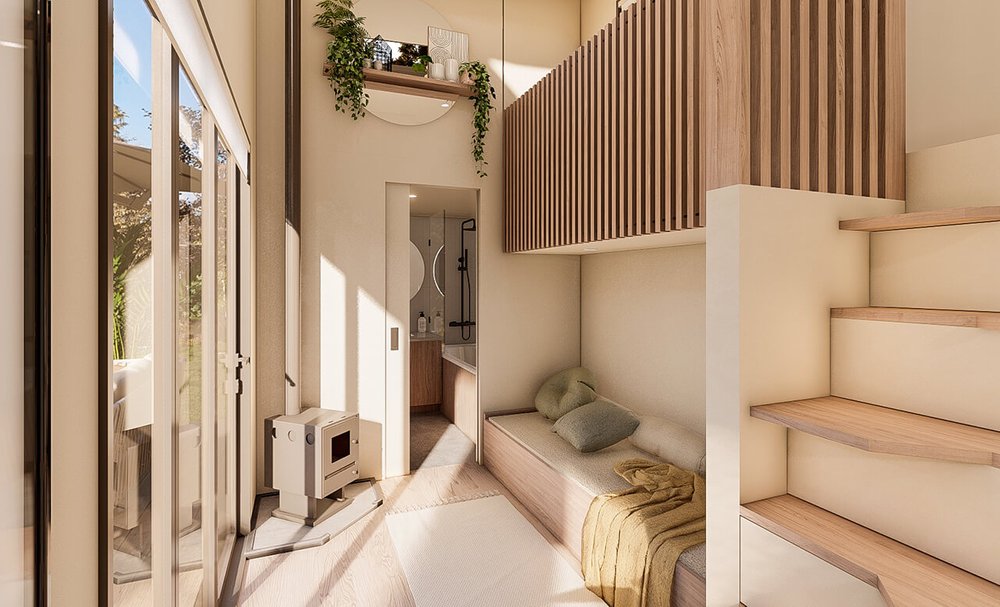
Movable partitions, multifunctional rooms, built-in storage, and vertical expansion strategies allow smaller spaces to feel expansive. Clever use of natural light and reflective materials can visually enlarge interiors.
By challenging traditional layouts, architects turn constraints into opportunities for innovation.

Coordinating Multidisciplinary Teams
Large-scale or technically complex projects demand collaboration between engineers, consultants, contractors, and regulatory authorities. Architects often serve as the central coordinators, ensuring that structural, mechanical, and aesthetic elements align.
Clear communication and adaptive planning are critical. When unexpected issues arise during construction, architects must adjust designs without compromising overall integrity.
Creative problem-solving in architecture is as much about coordination as it is about conceptual vision.
Preserving History While Embracing Modernity
Renovation and adaptive reuse projects introduce unique challenges. Architects must respect historical context while integrating contemporary functionality.
Creative solutions might involve restoring original façades while reconfiguring interiors for modern use. Structural reinforcements can be hidden within preserved architectural elements. New additions may contrast intentionally yet harmonize proportionally with historic structures.
Balancing old and new requires sensitivity, technical precision, and imaginative thinking.
Designing for Human Experience
Ultimately, architecture is about people. Complex challenges often involve meeting diverse user needs within a single project. Hospitals must feel calming yet efficient. Schools must be secure yet inspiring. Offices must encourage collaboration while supporting privacy.
Architects use spatial flow, lighting, acoustics, and material choices to shape how people interact with a space. Creativity is not only about solving structural puzzles but about enhancing everyday experiences.
When buildings respond intuitively to human behavior, they achieve lasting success.
Architecture thrives on complexity. Constraints related to site, sustainability, regulation, and client expectations push architects to think beyond conventional solutions. Through innovation, collaboration, and thoughtful integration of form and function, they transform challenges into defining features.
The most memorable projects are not those without obstacles, but those shaped by them — where creative thinking turns limitation into opportunity and design into meaningful impact.
Leveraging Technology and Digital Tools
Modern architects increasingly rely on advanced technology to solve complex challenges. Tools like Building Information Modeling (BIM), 3D visualization, and parametric design software allow architects to test multiple solutions before construction begins.
These technologies help identify potential conflicts, optimize material usage, and improve collaboration across teams. By simulating real-world conditions, architects can make more informed decisions and reduce costly errors, turning complexity into a manageable and efficient process.

Designing for Future Adaptability
A forward-thinking architect doesn’t just design for present needs but anticipates future changes. Buildings today must often adapt to evolving technologies, shifting user requirements, and environmental conditions.
Flexible floor plans, modular construction, and easily reconfigurable spaces allow structures to remain functional over time. This adaptability reduces the need for major renovations and extends the building’s lifecycle, making it both sustainable and economically practical.
Managing Budget Constraints Creatively
Budget limitations are one of the most common challenges in architecture. Instead of viewing them as restrictions, architects use them as a framework for innovation.
They may prioritize high-impact design elements, use cost-effective materials in creative ways, or simplify structural systems without compromising aesthetics. Strategic decision-making ensures that even with limited resources, the final design maintains quality, functionality, and visual appeal.
Conclusion
Complex architectural challenges are not obstacles to overcome but opportunities to innovate. From embracing site constraints and integrating sustainability to leveraging technology and planning for the future, architects continuously adapt their approach to deliver meaningful solutions.
The most successful designs are those that balance creativity with practicality, transforming limitations into defining strengths. Through thoughtful problem-solving and a deep understanding of both form and function, architects create spaces that are not only structurally sound but also enduring, efficient, and inspiring.


Share: