

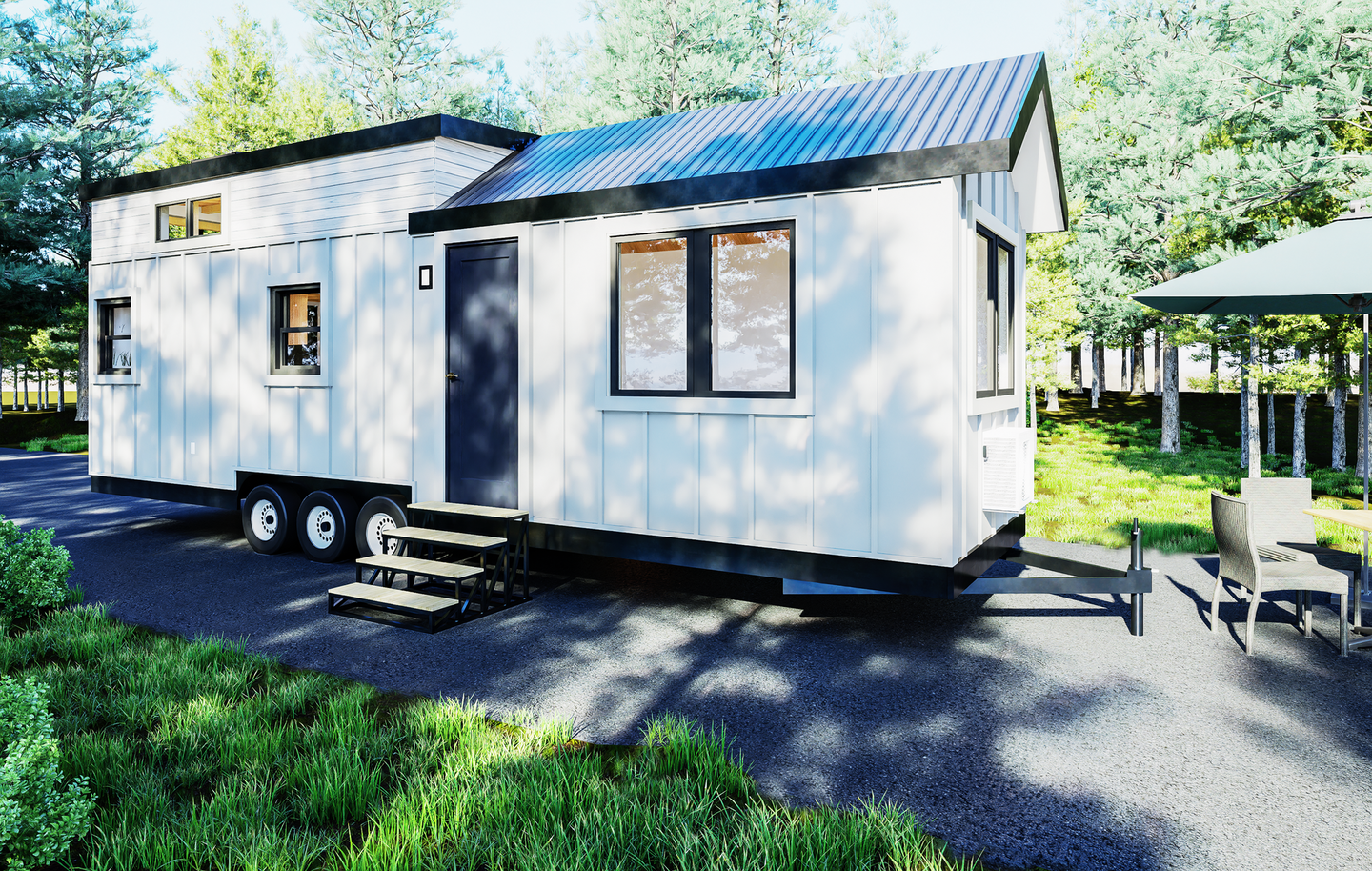
Tiny houses ask a lot from a roof. The footprint is small, the lines are simple, and every pound of weight matters. Picking the right pro is less about flashy portfolios and more about fit, technique, and trust.
Why Tiny Houses Need a Specialist
A tiny house roof has less margin for error. Small spans, steeper visual lines, and tight transitions mean flashing, ventilation, and underlayment choices must be on point. Because heat and moisture build quickly in compact spaces, the roofer’s plan for airflow and condensation control matters as much as the shingle or panel you see on top.
If your home rides on a trailer, movement adds another stress. Fasteners, sealants, and edges need to be chosen for vibration and wind on the highway. Even on a fixed foundation, lighter materials and careful load planning protect the structure and the budget.
Verify License, Insurance, and Bond
Before style or color, confirm the business basics. One insurance guide explains that reputable roofing companies carry workers' compensation, general liability, commercial auto coverage, and a contractor license bond. Ask for proof and read the dates and policy limits rather than just glancing at a piece of paper.
Keep a simple checklist and tick each box before you sign:
-
Current business license that matches the company name on your bid
-
Workers' compensation certificate for all field staff
-
General liability with limits that reflect your risk tolerance
-
Bond information and the agency contact for verification
If anything feels vague, pause. A professional will not rush you past this step or dodge direct questions about coverage.

Experience with Metal on Small Footprints
Many tiny homes use metal for longevity and weight savings. You want a contractor who has done neat panel work on short runs and can show close-up photos of edges, boots, and penetrations. The neatness of trims and seams on a 200 sq ft roof will show from the ground - that craftsmanship is what you live with.
Ask how they stage and cut panels without denting them on a small jobsite. Experienced metal roof installers will talk you through clip spacing, expansion gaps, and how they handle transitions at dormers or a tiny skylight. Listen for details about fastener torque and sealant type, not just brand names.
Finally, confirm they have the right tools for compact spaces. A contractor who only owns long brakes or big jobsite jigs may struggle on a micro roof.
Scope Your Roof before You Call
You will get better bids when you know the basics of your roof’s condition. A tiny home resource recommends starting with a simple assessment of visible wear, small leaks, or stained sheathing. This helps you explain the scope and helps the contractor tailor a plan that avoids on-site surprises.
Make quick notes and photos so your first calls are efficient:
-
Count penetrations like vents, a flue, or a mini-split line set
-
Measure the approximate slope and ridge length with a tape and a level
-
Look at the eaves for soft spots or previous patchwork
-
Check for condensation marks in lofts or along fasteners
Bring this to your calls so each bidder sees the same facts. Clear inputs lead to cleaner proposals.

Mobile vs Foundation: Codes, Permits, and Neighbors
A tiny house on wheels may be governed by different rules than a backyard ADU. Ask your roofer what permit, if any, applies to your setup. If you are parked long term, local rules might still drive how gutters discharge, how loud jobsite tools can be, or when deliveries are allowed.
Discuss staging, too. Tiny lots mean limited laydown for panels and trim. Agree on parking, delivery windows, and how scraps will be hauled out so you are not tripping over offcuts for a week.
The Details that Make or Break a Metal Roof
On a small roof, every penetration is a big deal. Flashing around a stovepipe or a mini-split line is not a footnote - it is the center of the story. Ask about boot material, sealant chemistry, and how they prep the substrate before setting anything through the panel.
Underlayment and ventilation work as a team. A synthetic underlayment with taped seams, plus a clean path for air to move from soffit to ridge, keeps the assembly dry. In cold zones, talk about a vapor retarder and how they prevent fastener drip from interior humidity. Noise is often raised with metal, but correct decking, underlayment, and attic or loft insulation go a long way to quiet the patter.
Finally, clarify the system. The hidden-fastener standing seam behaves differently from exposed screws on corrugated. Expansion, serviceability, and look all change. Make sure the proposal matches the roof in your head.

Reading and Comparing Bids
Ask for apples-to-apples proposals. Each bid should list the panel profile, metal gauge, coating, underlayment brand or spec, flashing approach, and exact trim kit. Installation notes should mention how ridge, valley, and eave edges are built.
Price comparisons work only when the scope is aligned. If one bid is lower, check what is missing rather than assuming waste or a miracle sale. Look for exclusions like hauling debris, replacing rotted decking, or installing new vents. A well-written proposal protects both sides - especially on a small project.
Warranties, Paperwork, and Follow-through
Get warranty terms in writing and in plain language. Confirm what is covered for workmanship versus materials, how long each lasts, and what actions might void coverage. On small roofs, workmanship matters because there is little room to hide a mistake.
Ask for a final packet. It should include paid invoices, warranty registrations, product sheets, and a few photos of hidden layers like underlayment and flashing before panels went down. Those images are gold if you ever need service or sell the home.
Simple closeout checklist
-
Final walk-through with a ladder to view edges and penetrations
-
Photos of the ridge, eaves, and any boots before and after
-
Written care tips for cleaning and light maintenance
-
Contact info for service requests with response time in writing
A tiny house rewards careful planning. With the right questions and a clear scope, you can hire a pro who understands small spaces, builds clean details, and respects your site. The result is a lighter, tighter roof that works hard for many seasons without fuss.


Share: