

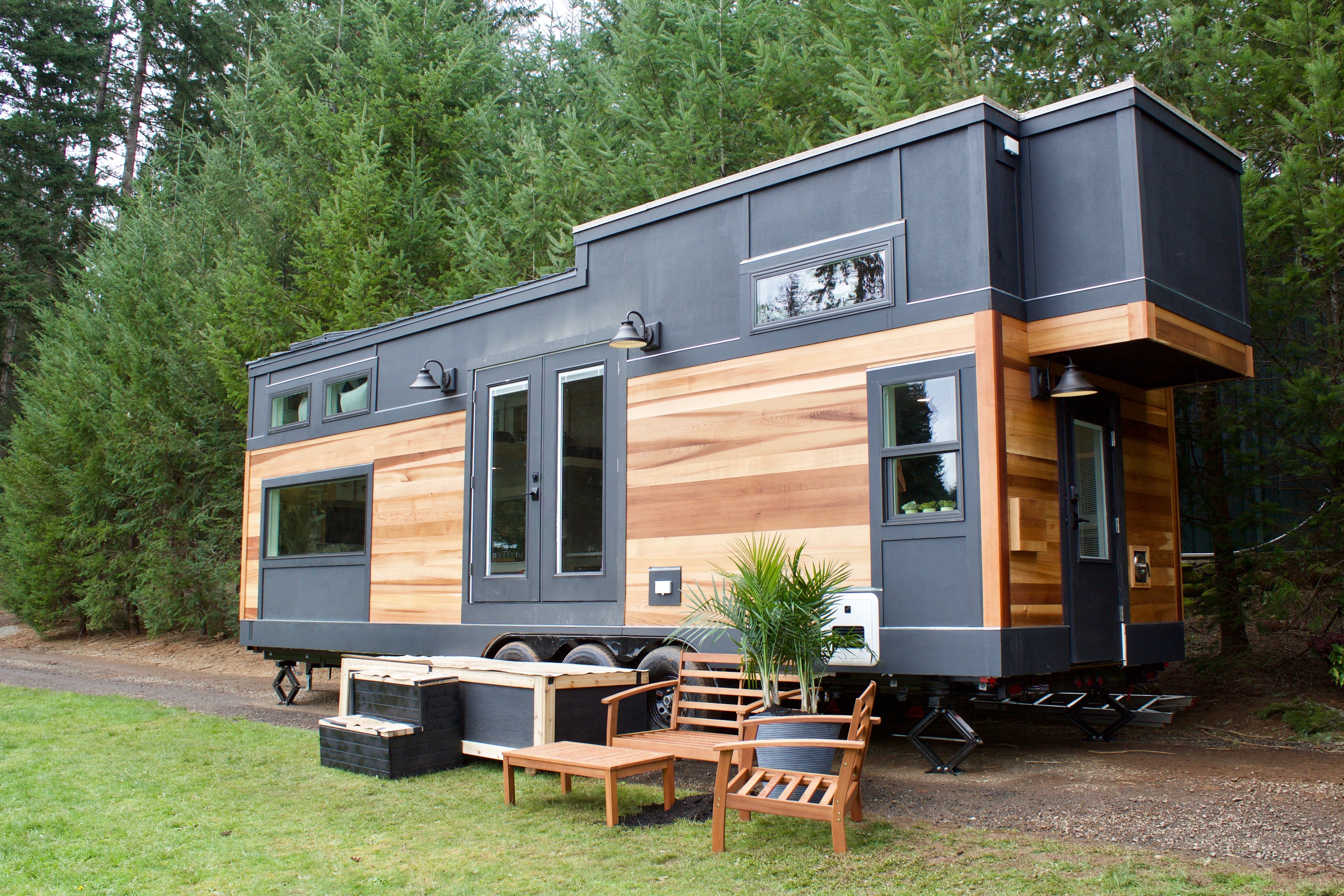
You can often build a tiny home in your backyard, but you’ll only get approval if your lot and project meet local zoning and building codes.
Your city may treat it as an ADU, a tiny house on wheels, or even an accessory structure, and each category triggers different rules on setbacks, height, utilities, parking, and rental use.
Before you spend on plans, you’ll want to know which classification applies—because that’s where most projects stall.
Key Takeaways
-
Backyard tiny homes are often allowed on residentially zoned lots, but you must confirm local zoning and ADU/accessory-structure rules first.
-
Cities define “tiny home” differently, usually by floor area and loft rules, so verify size limits, foundation requirements, and minimum room dimensions.
-
Your structure’s classification matters: ADU, accessory building, shed conversion, or tiny house on wheels each triggers different codes and permit paths.
-
Many single-family zones restrict second dwelling units; adding a full kitchen or bathroom can reclassify the building and violate zoning.
-
Expect building and trade permits, inspections, and utility-connection approvals, which can affect costs and whether a unit is considered “portable.”
Can You Legally Build a Backyard Tiny Home?
Where can you legally put a backyard tiny home? You can usually place it on a lot zoned for residential use, but you’ll need to verify local backyard regulations first.
Start with your city’s zoning map and the accessory structure or ADU section: these rules control setbacks, lot coverage, height limits, parking, and utility hookups. You’ll also face zoning challenges if your parcel sits in a historic district, coastal zone, wildfire interface, or HOA-governed area, where extra approvals apply.

Don’t skip permits: most jurisdictions require a building permit, electrical/plumbing permits, and inspections, plus a compliant foundation or tie-down system. If you plan to rent it, check occupancy limits and short-term rental restrictions too. Call planning staff to confirm.`
What Does Your City Count as a “Tiny Home”?
Before you can apply those zoning and permit rules to a backyard build, you need to know what your city legally calls a “tiny home,” because the label determines which codebook applies and which approvals you’ll face.
Start by checking your municipal code for a size threshold, since definition variations often hinge on gross floor area (for example, under 400 or 500 square feet) and whether loft space counts. Then confirm whether your city ties the term to foundation requirements, minimum room dimensions, ceiling heights, stair geometry, and egress rules.
Review local regulations for how they classify tiny dwellings in occupancy and building-code chapters, not just planning pages. If your city uses a state residential code appendix or a local ordinance, you’ll need to cite that exact section on plans.
Is It an ADU, a Tiny House, or a Shed Conversion?
How you classify that backyard structure—ADU, tiny house, or shed conversion—determines which permit track you’re on, which code chapters apply, and what inspections you’ll need. If you call it an ADU, you’re usually treated as building a second dwelling unit, so you’ll document life-safety systems, utilities, and occupancy; the ADU benefits include clearer appraisal treatment and standardized plan review in many cities.
If you call it a tiny house, check tiny home differences: on wheels it may fall under RV or park-model standards, while on a foundation it’s typically a dwelling under residential code. For a shed conversion, follow shed conversion tips: verify structural capacity, egress, insulation, and electrical load. Keep zoning considerations and design inspirations aligned with the classification.

Which Zoning Rules Commonly Ban Backyard Tiny Homes?
Even if your design checks every building-code box, local zoning can still prohibit a backyard tiny home by treating it as an illegal second dwelling or an unpermitted “accessory structure” for sleeping.
You’ll most often hit zoning restrictions that limit lots to one primary unit, ban separate “dwelling units” in single-family districts, or require any habitable space to qualify as an ADU under strict definitions.
Many local ordinances also prohibit tiny homes on wheels as “RVs,” allowing only short-term parking, not residential use. Some codes ban detached kitchens or full bathrooms in accessory buildings, a common trigger for enforcement. If you plan to rent it, you may run into owner-occupancy, lease-term minimums, or outright short-term rental caps.
What Setbacks, Lot Size, and Height Limits Apply?
Because setback and bulk standards control building placement more than building-code details do, your backyard tiny home will usually rise or fall on three zoning metrics: minimum required yards (front/side/rear setbacks), minimum lot area or lot-coverage limits for the parcel, and maximum accessory-structure height (often tied to eave/ridge height or a percentage of the primary home).
Start by mapping property lines with a survey, then apply setback regulations; many cities require 3–10 feet on side and rear yards, and more near alleys or corner lots.
Next, check lot dimensions and coverage caps (often 30–60% impervious or building coverage), since an ADU plus shed can push you over. Finally, confirm height restrictions—commonly 12–25 feet—with tighter limits near the rear lot line.
What Permits and Inspections Does a Tiny Home Need?
Once your tiny home fits the site’s setbacks, lot coverage, and height cap, approvals shift from “Can it go here?” to “Can it be built and occupied?”
Most jurisdictions require a building permit for a backyard tiny home/ADU, plus discipline-specific permits for electrical, plumbing, and mechanical work; if it connects to city services, you’ll also see water/sewer tie‑in permits and sometimes a separate address assignment. You’ll submit plans stamped when required, showing compliance with adopted building codes (often IRC/IBC and local amendments), energy rules, and accessibility triggers when applicable.
During construction, some homeowners and contractors may also rent aerial lifts to safely handle roofing, exterior siding, window installation, or utility work on taller backyard tiny home structures.

Expect an inspection process tied to milestones: footing/foundation, framing, rough MEP, insulation, and final. Inspectors verify fire separation, egress, structural load paths, and life-safety alarms before issuing a certificate of occupancy.
How Do Utilities, Parking, and Rental Rules Affect Use?
How do utilities, parking, and rental rules change what you can actually do with a backyard tiny home?
If your city requires permanent utility connections to water, sewer, and electricity, you’ll need trenching, permits, and inspections, and you may lose “portable” status. If it allows shared meters or ADU hookups, costs drop and approval speeds up. Health codes often ban long-term occupancy on septic systems not sized for added bedrooms, and fire rules can trigger dedicated gas shutoffs.
Parking regulations can cap occupancy by requiring one off-street space per unit or by blocking curb cuts. Finally, rental rules matter: some cities permit only owner-occupied lots, limit short-term rentals, or require business licenses and tax registration.
Conclusion
You can often build a tiny home in your backyard, but you’ll only be legal if your zoning and property classification allow it. Confirm whether your city treats it as an ADU, tiny house on wheels, or shed conversion—each triggers different code paths.
Check setbacks, minimum lot size, height caps, and occupancy limits. You’ll likely need building, electrical, and plumbing permits plus inspections. Account for utility connections, parking minimums, and rental/STR restrictions.


Share: