

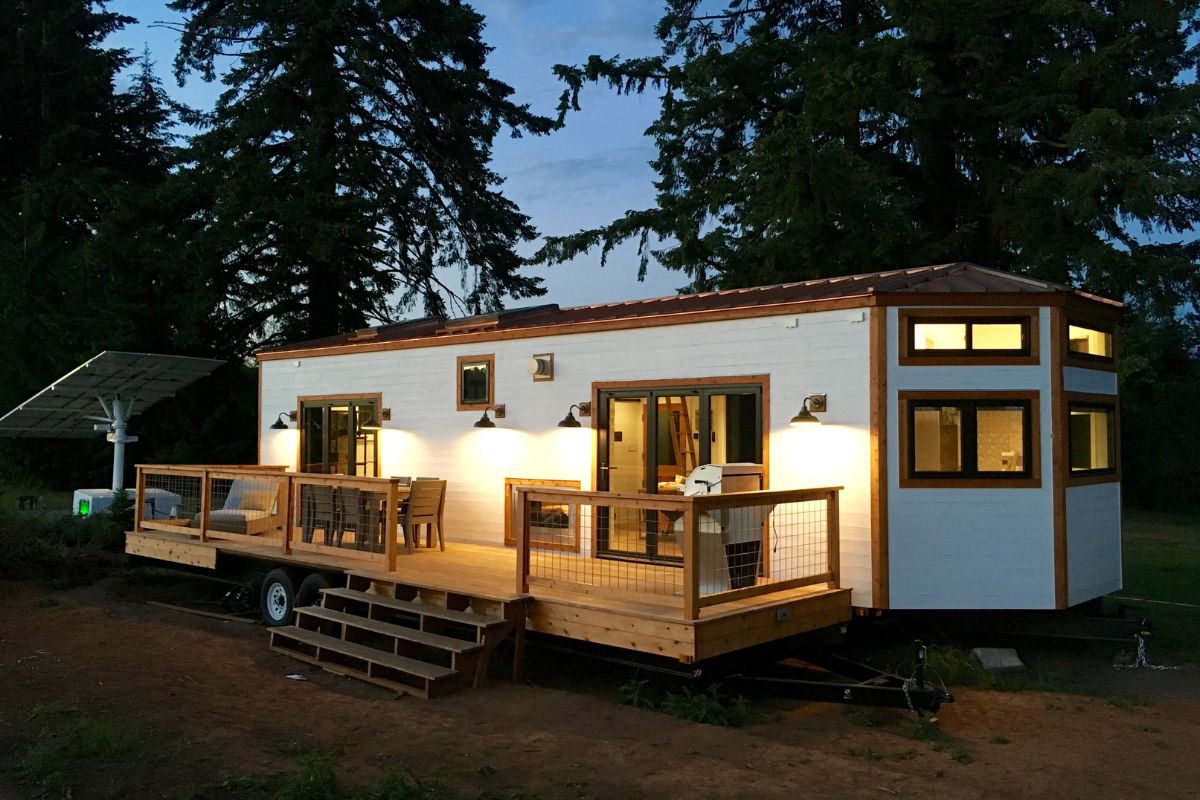
When winter hits, finding the right heating solution for your tiny home can be challenging. You need to take into account efficiency, practicality, and comfort. There are several options available, from electric space heaters to tiny wood stoves, each with its pros and cons. Understanding these choices will help you make an informed decision.
So, what’s the best fit for your space and lifestyle? Let's explore the top choices you have.
Key Takeaways
-
Electric space heaters provide targeted heating, allowing efficient zoned heating to save on energy costs in tiny homes.
-
Infrared heaters offer quick warmth by directly heating objects and people, improving energy efficiency and reducing bills.
-
Tiny wood stoves deliver significant warmth with minimal fuel, creating a cozy atmosphere while maximizing space in small living areas.
-
Propane heaters are compact and efficient, delivering reliable warmth but require proper ventilation and regular safety checks for leaks.
-
Radiant floor heating minimizes heat loss by warming from the ground up, while pellet stoves convert renewable materials into heat with low maintenance.
Electric Space Heaters
When you’re considering heating options for your tiny home, electric space heaters often emerge as a practical choice, especially if you need a quick and efficient way to warm up specific areas.
One of the primary electric space heater benefits is their portability; you can easily move them wherever you need warmth. Additionally, they allow for zoned heating, which can help reduce overall energy costs.
To maximize energy efficiency, use a timer or thermostat to regulate the temperature and avoid wasting energy. Insulating your tiny home properly can also enhance effectiveness, ensuring the heat stays where you want it.
Infrared Heaters
Although many tiny homeowners rely on electric space heaters, infrared heaters offer a unique alternative that can efficiently warm your living space. They work by heating objects and people directly rather than the air, resulting in quicker warmth and improved energy efficiency. This can lead to lower energy bills during colder months.
For installation, it’s crucial to choose the right wattage based on your space size; typically, 10 watts per square foot is a good rule of thumb. Position the heater away from furniture and curtains to guarantee peak performance and safety. Additionally, consider models with thermostats to maintain your desired temperature effortlessly.

Tiny Wood Stoves
Tiny wood stoves present an excellent heating solution for small living spaces, combining efficiency with the charm of a traditional fire.
One of the key wood stove benefits is their ability to provide significant warmth while using less fuel, making them ideal for tiny home design. These stoves are compact yet powerful, allowing you to maximize your space without sacrificing comfort.
Additionally, they create a cozy atmosphere, enhancing the overall aesthetic of your tiny home. You can also choose from various styles and finishes to match your interior decor.
When properly installed, tiny wood stoves can be a sustainable heating option, utilizing renewable resources and reducing your carbon footprint.
Propane Heaters
Propane heaters offer a practical and efficient heating solution for tiny homes, combining convenience with reliable warmth. Their propane efficiency is notable, as they provide quick heat without excessive energy consumption.
You’ll find that many models are compact, making them ideal for limited space. However, it’s vital to take safety considerations into account when using propane heaters. Proper ventilation is important to prevent carbon monoxide buildup, and you should always have a working detector in place.
Additionally, verify your propane tank is stored safely and regularly checked for leaks. With the right precautions, a propane heater can keep your tiny home cozy and warm throughout the winter months, allowing you to enjoy your space comfortably.
Radiant Floor Heating
If you're exploring heating options for your tiny home, radiant floor heating deserves your attention. This system offers impressive radiant efficiency, warming the space from the ground up and maintaining a consistent temperature.
Unlike traditional heating methods, it minimizes heat loss, making it energy-efficient. However, be mindful of installation costs, which can be higher than other options due to the need for specialized materials and labor.
Despite the initial investment, many homeowners find the long-term energy savings and comfort worth it. Additionally, radiant floor heating is low-maintenance, ensuring you can enjoy a cozy winter without constant upkeep.
In a tiny home, this heating method can optimize space while delivering warmth effectively.
Pellet Stoves
Pellet stoves are an excellent heating option for tiny homes, combining efficiency with sustainability. You’ll appreciate their high pellet stove efficiency, converting renewable materials into heat with minimal waste.
Unlike traditional wood stoves, pellet stoves burn compressed wood pellets, which aren't only eco-friendly but also provide consistent warmth.
When considering installation, think about pellet fuel storage. You'll need a designated space for your pellets, ensuring easy access and proper ventilation. A small storage area can hold enough fuel for several weeks, making it practical for your tiny home lifestyle.
Additionally, many modern pellet stoves include automatic feeding systems, further enhancing convenience. Overall, pellet stoves strike a balance between effective heating and environmental responsibility.

Insulation and Weatherproofing Techniques
After exploring efficient heating options like pellet stoves, it's important to recognize that insulation and weatherproofing techniques play a significant role in maintaining warmth in tiny homes.
Start by selecting high-quality insulation materials, such as spray foam or rigid foam boards, which provide superior thermal resistance. Guarantee your walls, roof, and floors are adequately insulated to minimize heat loss.
Next, implement effective weatherproofing methods, like sealing gaps around windows and doors with weatherstripping or caulk. This prevents cold drafts and moisture infiltration, enhancing your home’s energy efficiency.
Don’t forget to insulate pipes and ducts as well to avoid heat loss. By investing in these techniques, you’ll create a cozy, warm space that can withstand the harsh winter months.
Conclusion
When choosing the best heating option for your tiny home this winter, consider your specific needs and preferences. Electric space heaters and infrared models offer quick fixes, while tiny wood stoves and pellet stoves provide a cozy, sustainable atmosphere. Propane heaters deliver reliable warmth, and radiant floor heating guarantees consistent comfort.
Don't forget about insulation and weatherproofing; they play essential roles in maximizing your system's efficiency. Ultimately, the right combination can create a warm, inviting space all season long.


Share: