

The typical U.S. home now costs more than $410,000. With fixed 6-7% interest rates, I've heard monthly payments often exceed $2,200. For many households, that means income is locked up in housing for decades.
Tiny houses arrived on the market as a response to that pressure. Those exploring alternative property types and investment strategies often compare structured real estate financing solutions and consult firms or choose to visit LBC Capital to better understand how private capital strategies can influence long-term costs and financial flexibility.
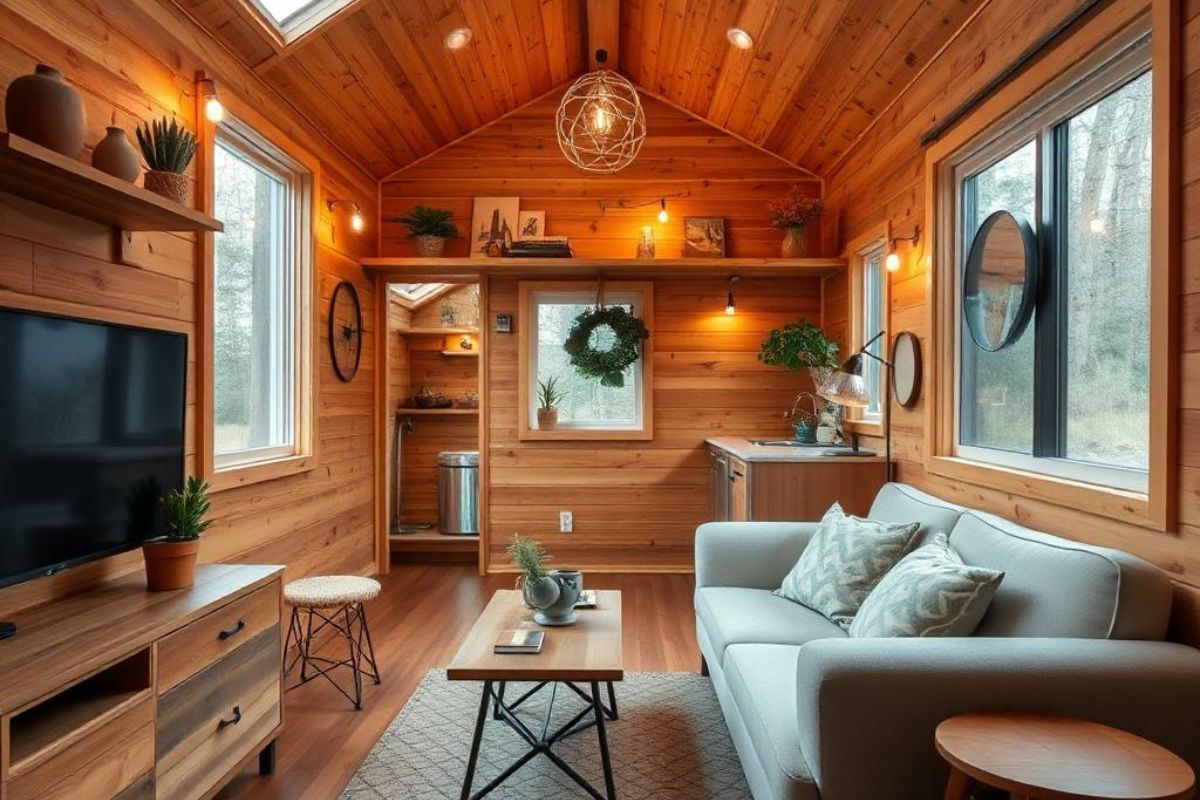
A standard tiny home is between 200 and 400 square feet. Build costs typically range from $40,000 to $120,000, depending on materials and labor. Well, that gap alone makes heads turn. But a lower price is not necessarily indicative of a smarter decision. Land, zoning, utilities, and resale value—these are variables that change the equation. A small shelter is effective when it’s about equal to the real thing.
Cut Housing Costs Now
The average American household dedicates about a third of its budget to housing. Cost-burdened, many individuals and families spend more than 30 percent of their income on housing, according to federal housing data. Tiny houses are squarely aimed at that issue.
A professionally built tiny house typically costs $60,000 to $100,000. Even at the high end, that is discounted from the national median home price. Some buyers pay cash after the sale of larger homes, removing mortgage payments altogether.
Utility bills shrink fast. It can cost $50–$80 per month to heat and cool a 300 square-foot space, depending on the climate. Water and electricity consumption fall as a function of smaller size to maintain.

Land Changes Everything
Even in remote/rural Texas, or Tennessee for that matter, small lots are selling for $10K–25K each. In parts of California, similar land goes for more than $150,000. That distinction remakes the budget on the spot.
If you don't own the land you park your mobile home/chassis on and have to pay rent on a place to park instead, then each month these are typically $400-$900. Utilities plus insurance--even so the total monthly charge for housing costs is less than $1200, quite likely.
That’s typically half the price of a regular mortgage. And here's the fine print: savings will be found as long as land and infrastructure costs are kept in check. Meanwhile, septic installation alone can be priced at $5,000 to $15,000. The house is less important than the hookups.
Escape Mortgage Trap
Americans owe more than $12 trillion in mortgage debt. A typical 30-year mortgage amortizes payments over a full working life. Tiny homes condense that trajectory significantly.
Finance an $80,000 tiny home for 10 years at 8% interest, and the total payment is nearly $116,000. Or consider nearly $1 million in lifetime payments on a traditional $410,000 home with long-term interest. The contrast is stark. The shorter the debt cycles, the less financial stress there is. Owners often report spending less than $1,000 a month for housing. A few become debt-free in five to seven years.
Equity Versus Flexibility
The equity in conventional homes is usually retained because land appreciates. For decades, U.S. real estate has averaged long-term annual appreciation of 3–5%, depending on geography. That growth compounds over time. Wheelable tiny homes often lose value like RVs. Build quality and certifications, not to mention resale value, will depend on how much you spend. There’s no promise they will rise in value.
So the tradeoff becomes clear. Traditional housing can accumulate wealth very slowly. Tiny housing increases flexibility immediately. If you seek steady equity appreciation, tiny may disappoint. If freedom from vast debt is more important, it’s a winner.

Build Smart Tiny Layout
Living in 300 square feet forces you to be very choosy about what comes through the door, because all of it counts. Poor layouts, it's true, are infuriating. Intricate designs hinder practicality. In conventional open-plan arrangements for kitchens, eating areas, and living rooms, the bedrooms are usually at mezzanine level.
This will maximize square footage, but the height of the ceiling also drops. Space-saving storage tucked into all nooks and hovels is now imperative. Oversized appliances take up much floor space. But there are some basic design principles that will transform a cramped space into somewhere pleasant to live:
-
Multifunctional furniture (sofas with storage, fold-down tables, Murphy beds)
-
Tall Cabinetry Makes the Most of Vertical Wall Space
-
Sliding or pocket doors rather than swing doors
-
Compact, apartment-sized appliances
-
Consistent light color palettes to create visual openness
Systems Matter More Than Style
When it comes to comfort, what counts more is insulation, not appearance. It’s more expensive up front but drastically reduces energy loss, saving money eventually. These rapid fluctuations occur even faster in tight spaces without adequate insulation.
Mini-split heating and air conditioning systems generally cost from $1,500 to $3,000 installed. They excel at heating or cooling small areas. Joint sealers do not have the luxury of time to dry and cure the material. Poor ventilation, however, allows for moisture accumulation to quickly become an issue.
Here’s the catch. Tiny homes magnify small mistakes. Improper window placement affects the flow of air. A poorly designed kitchen is a drag on daily cooking. Smart layout is not decorative. It is survival.

Navigate Zoning Laws Fast
Zoning laws in the United States differ greatly. Some localities require a minimum size of home, ranging from 600 square feet up to 1,000. That alone can block many tiny homes. Tiny houses on wheels are often classified as RVs. In many cities, full-time living in an RV outside approved parks is restricted. That surprises many first-time buyers.
States like California have loosened rules for accessory dwelling units. That makes foundation-based tiny homes more viable as backyard ADUs. Still, approval requires permits and inspections.

Share: