

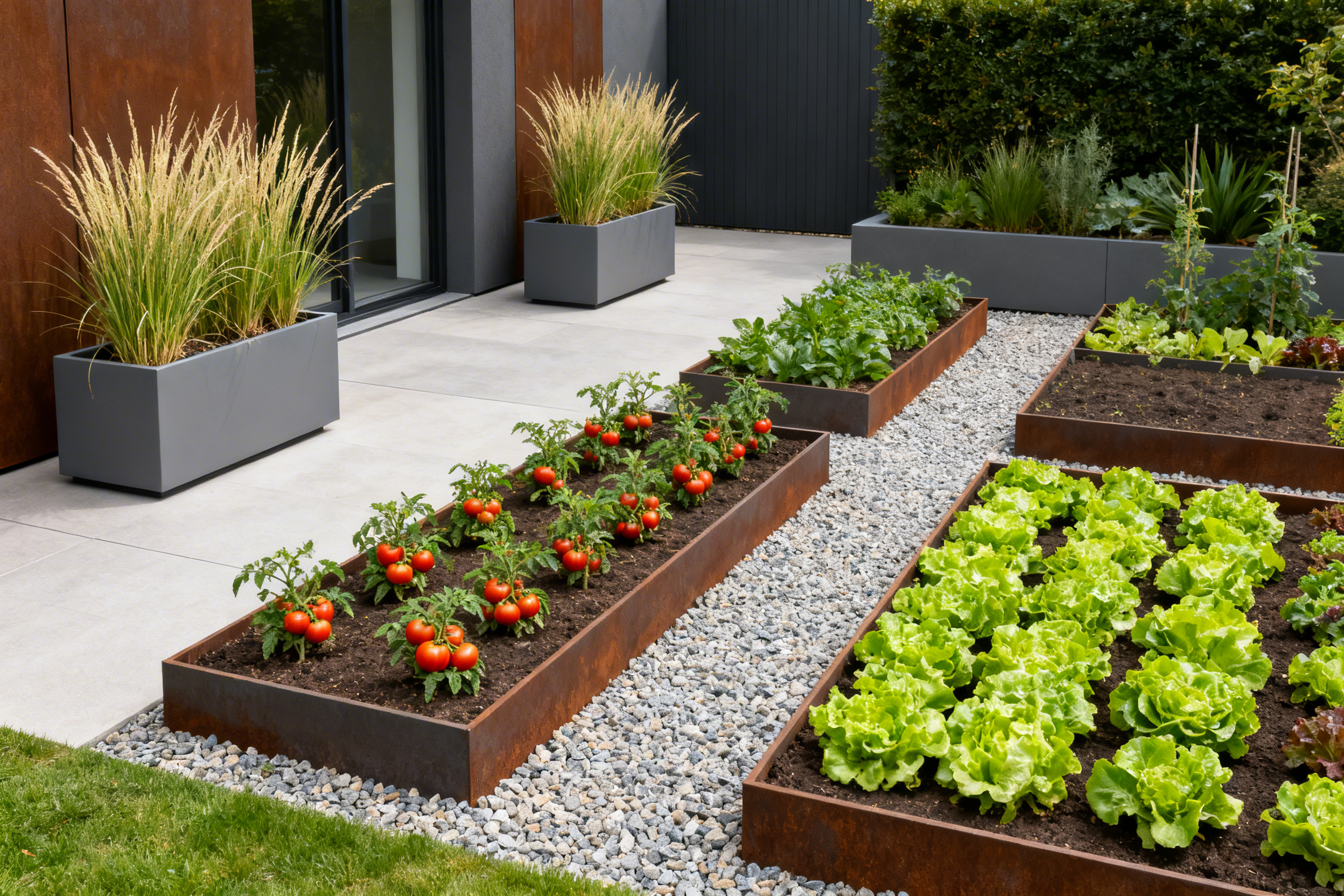
If you’re looking to maximize your space while enjoying fresh summer produce, a tiny house garden could be the perfect solution. You can grow a variety of vegetables and herbs right at your doorstep, even in the smallest areas.
With the right containers and techniques, you’ll find it easier than you think to cultivate your own green oasis. Let’s explore some effective strategies to make the most of your limited gardening space.
Key Takeaways
-
Select compact summer vegetables like cherry tomatoes, cucumbers, and peppers for limited space gardening.
-
Utilize vertical gardening techniques, such as trellises, to maximize growing area for climbing plants.
-
Incorporate herbs like basil, cilantro, and chives, which thrive in small containers and enhance summer dishes.
-
Ensure containers have proper drainage and are placed in sunny spots to support healthy growth.
-
Rotate crops seasonally to maintain soil health and optimize vegetable and herb yields throughout the summer.
Choosing the Right Containers for Your Tiny Garden
When it comes to creating your tiny garden, choosing the right containers can make all the difference. Start by considering container materials; lightweight options like plastic are easy to move, while ceramic or terracotta offers a classic look but can be heavier. Each material has its pros and cons, so think about durability and aesthetics.
Next, pay attention to container sizes. Smaller pots are ideal for herbs, while larger containers work better for vegetables like tomatoes or peppers. Make sure your containers have drainage holes to prevent root rot.
Mixing and matching sizes can create visual interest while maximizing your space. By selecting the right materials and sizes, you can cultivate a thriving garden that suits your tiny home lifestyle.

Vertical Gardening Techniques for Space-Saving
If you've already chosen the right containers for your tiny garden, it’s time to explore vertical gardening techniques that maximize your space.
Vertical gardening systems allow you to grow more in less area by utilizing walls and vertical structures. Wall mounted planters are a fantastic option, letting you create a stunning herb wall or vegetable display.
You can also use trellises to support climbing plants like beans or cucumbers, freeing up valuable ground space.
Consider stacking planters, too—these can create layers of greenery while keeping your garden organized.
With a little creativity, you can transform your tiny space into a lush garden oasis, enjoying fresh vegetables and herbs right at your fingertips.
Top Vegetables for Tiny House Gardening
While maximizing your tiny house garden, choosing the right vegetables can make all the difference. Start with compact options like cherry tomatoes, radishes, and lettuce, which thrive in small spaces.
Consider companion planting to enhance growth; for instance, pairing tomatoes with basil can boost flavor and deter pests.
Don’t forget about vertical gardening techniques for climbing vegetables like pole beans and cucumbers.
Implementing crop rotation is essential, too; it helps maintain soil health and reduces pest buildup. By rotating your plantings each season, you can enjoy a diverse harvest while keeping your garden thriving.
With these strategies, you’ll create a productive and vibrant tiny house garden that yields fresh vegetables all summer long.
Top Herbs for Small Space Gardening
Choosing the right herbs can elevate your tiny house garden just as much as vegetables do. When space is limited, opt for versatile herb varieties like basil, cilantro, and chives.
These indoor herbs not only thrive in small containers but also enhance your meals with fresh flavors.
Consider growing mint in a separate pot to prevent it from overtaking other plants. If you love cooking, rosemary and thyme are excellent choices, as they require minimal care and provide robust flavor.
Remember to place your herbs where they'll get plenty of sunlight, whether on a windowsill or balcony.
With the right selection, your tiny garden can flourish, offering fresh ingredients right at your fingertips. Happy gardening!
Maximizing Your Tiny Space: Window Boxes and Balconies
To make the most of your tiny living space, incorporating window boxes and utilizing balconies can transform even the smallest areas into vibrant gardens.
Start by choosing window box arrangements that suit your style and the plants you want to grow. Opt for herbs or compact vegetables like cherry tomatoes and peppers, which thrive in limited space.
For balcony aesthetics, consider vertical planters or hanging pots to maximize your growing area while adding visual appeal. Mixing flowers with your edibles can create a beautiful, functional display.
Don’t forget to guarantee proper drainage and sunlight exposure for your plants.
With a little creativity, your tiny space can burst with life and flavor, enhancing your summer cooking and outdoor experience.
How to Use Your Windowsill for Growing Herbs?
If you're looking to add fresh flavors to your meals, using your windowsill for growing herbs is a fantastic option.
Start by choosing herbs that thrive in your specific windowsill light—basil, parsley, and chives are great choices. Use small pots to maximize space, and consider herb companion planting; pairing herbs like basil with tomatoes can enhance their growth and flavor.
Ensure your herbs receive at least 6 hours of sunlight daily. Regular watering is essential, but avoid overwatering to keep roots healthy.
You can also rotate pots for even light exposure. With a little care, your windowsill can become a vibrant source of fresh herbs, elevating your culinary creations all summer long.
Happy gardening!
Build Your Own Vertical Planters
Growing herbs on your windowsill can spark inspiration for expanding your gardening space. One fantastic way to do this is by building your own vertical planters.
Using DIY planter materials like wooden pallets, repurposed crates, or even plastic bottles can make your project both eco-friendly and budget-friendly.
Consider various vertical planter designs, such as tiered shelves or wall-mounted pockets, to maximize your space.
Start by selecting plants that thrive in vertical setups, like strawberries or trailing herbs. Use a suitable potting mix, ensuring good drainage for your plants.
With a little creativity and effort, you can create a stunning vertical garden that not only saves space but also adds a vibrant touch to your tiny home.
Happy planting!
Seasonal Care for Tiny Gardens
As the seasons change, your tiny garden requires specific care to thrive throughout the year. Start with seasonal planting; choose vegetables and herbs suited to each season’s climate.
In spring, opt for fast-growing crops like radishes and lettuce. As summer rolls in, focus on heat-loving plants like tomatoes and basil.
Regularly check for pests and implement effective pest management strategies. Use natural solutions like neem oil or introduce beneficial insects to keep your garden healthy.
During fall, prepare your garden for winter by harvesting remaining crops and adding organic matter to enrich the soil.

Easy Planting Tips for Your Tiny Garden
While maximizing your tiny garden's potential might seem challenging, a few simple planting tips can make all the difference.
Start by focusing on soil health; enriched soil is key to thriving plants. Use compost to provide nutrients and improve drainage.
Next, consider companion planting; pairing compatible plants can boost growth and deter pests. For example, plant basil near tomatoes to enhance their flavor and protect them from bugs.
Don't forget to optimize your space by using vertical gardening techniques, like wall planters or trellises, to save ground space.
Finally, stagger your planting times to guarantee a continuous harvest throughout the summer.
With these easy tips, you’ll create a productive and vibrant tiny garden in no time!
Harvesting and Preserving Your Tiny Garden Bounty
When you’ve nurtured your tiny garden to produce a bounty of fresh fruits and vegetables, knowing how to harvest and preserve that goodness is essential.
Start by practicing crop rotation to maintain soil health for future harvests. Use various preservation methods like drying techniques for herbs, which can add flavor to your dishes all year long.
For your veggies, consider canning essentials to store them safely. Freezing tips, like blanching before freezing, can help retain nutrients and flavor.
You can also create herbal infusions for delightful drinks. Experiment with recipe ideas using your fresh produce, and remember to keep seasonal storage in mind to maximize your garden's bounty.
Enjoy the fruits of your labor!
Conclusion
By embracing these tiny house garden ideas, you can create a vibrant space for summer vegetables and herbs right at home. With the right containers, vertical gardening techniques, and seasonal care, you’ll maximize your limited space and enjoy a bountiful harvest. Remember to check your plants regularly and have fun experimenting with different varieties. Before you know it, you'll be savoring fresh flavors straight from your tiny garden, enriching your meals and your life!
Share: